20 Things That Only The Most Devoted Replace Window Pane Fans Are Awar…
페이지 정보

본문
How to replace window handle Window Panes
A damaged or cracked window can cause a lot of trouble. This can be an opportunity to upgrade your windows to energy efficient or insulated ones and enjoy benefits such as improved comfort, increased resale value and reduced utility bills.
You can do it yourself at only a fraction of the cost it would cost to hire an expert. It requires the right tools and only an hour or two of your time.
Glass
Replace window Pane your single-paned windows with tempered insulate glass to improve energy efficiency, cut down on noise, and protect the original character of your older home. A majority of homeowners with hand tools can repair windows with ease. In addition to a replacement pane, the following items are required for the replacement process: latex glazing putty pliers, glazier's points and the use of a heat gun to warm the old putty, if needed. Wear safety goggles and gloves prior to starting. Working with broken glass could result in serious injuries.
Begin by removing any remaining broken pieces of glass. It is recommended to use pliers for this however a flathead could work as well. After that, use a wood chisel, or putty knife, to take the remainder of the old putty from the frame and the sash. Work slowly and carefully making sure not to damage the old window sash. This should be done on a ladder, not the ground. Also, have someone on the ground to keep it in place.
Once you have removed all of the old putty, you can prepare the window frame to fit the new pane. To allow for seasonal expansion or contraction and contraction, subtract 1/8 inch from the measurements of width and height. These measurements can be sent to an hardware or home centers store to have cut a piece of glass that is in stock to the correct size. You can cut the glass yourself if you have the right tools.
After putting in the new pane, run a small bead of caulking along the edge to ensure it is weatherproof. Install a glazier’s point on both sides of the frame. This will help secure the pane. The points should not be so tight that they create friction between the frame and sash however they should not be loose.
Before applying the putty to the surface, gently knead it until it becomes soft and free of lumps. Then, roll it into pencil-size strips. The first strip should be placed to the corner of the frame, working from one corner to the next to ensure it is even and smooth.
Glazier's Points
The glazier's points are tiny triangular metal pieces which help to secure the glass to the frame without causing damage to the delicate surface. It's simple to learn how to use this hidden tool, and you'll save money on the cost of an expert installation.
After removing the old putty, glazier points and any residue, clean the frame thoroughly with an utility knife. Lightly sand the wood in the rabbet grooves, if necessary, to smooth out rough areas. If you decide to sand the wood, make sure to protect it by using painter's tape to prevent accidental damage.
Note down the dimensions of the frame. These measurements can be brought to a home center or hardware store, and the new frame will be cut slightly smaller. This will ensure a tight fit and will allow room for expansion and contraction.
Place the new pane in the frame and press it in place with your hand. Make use of the point of the chisel, or the back of the putty blade to tap the glaziers' points as shown in Figure 11. The glazier's points should be flush against the top edge of the pane and the shoulders should be just below the lip.
Apply a thin layer of glazing compound on the rabbet grooves as well as the edges of the new glass. This will protect and seal the edges. Let it dry and cure completely.
After the glazing compound dries it's time to put in the new window sash. First, you need to coat the wood with an even layer of linseed. This will keep the new putty from taking in the moisture and deteriorating and cracking over time. Apply the coat using a brush or the edge of your putty knife, and then use the chisel, or the back end from the putty knife to gently hammer in the new sash and glazier's point into the rabbet grooves. Repeat this process at intervals of 10 inches around the frame.
Putty
A baseball hit or a rock thrown by error, or a tree falling can cause a broken or cracked window pane. Fortunately, the majority of windows can be easily replaced by simply placing a new piece in the proper place. The glass is held in place using small clips made of metal called a glazier's point and putty, which is often called glazing compound. Before you install a new pane, first take out the old one and clean the area with an abrasive and a pull-type paint scraper or a wood chisel. Wear protective glasses and gloves when you work. You'll require a heat gun in the event that the window is glued to the frame.
If you're planning to install the original sash, remove any molding pieces that hold the old pane in place. Then, sand the sash to ensure it's level and ready to be re-caulked. Once the sash is installed, apply a new silicone caulk around the glass to ensure it won't leak or discolor in time.
Take out the glazing points in the rabbets. These are the grooves in the sash, which is where the glass is located. If they're difficult to chisel, hold a hand tool such as a heating gun over them for a few minutes to soften them. If you're using a heated gun, make sure not to damage the railings or sash by holding the tool too close.
After the old glazing points and putty have been removed prepare a bed for the new pane. Roll a piece of glazing compound between your hands, and form it to be around 1/2-inch thick. Then, you can press it into the rabbets in which the glass will rest. It is essential that the glass sits on the putty on each side If you have to do so, gently tap the glass into the rabbet using your thumb.
If the new pane is cracked, you can apply the silicone caulk or glass glue that is based on solvents to seal the crack before pressing it into the sash. If the crack isn't sealed, you will require putty to keep water from getting in. Once the putty is dry clean the oily film off of the glass and let it dry completely before painting. Paint after the putty has completely dried. It will not make a strong seal and could discolor or leak over time.
Paint
If you've experienced a broken window pane, you may be concerned about the expense of a new one. The truth is, replacing a single piece of glass doesn't need to be costly when you do it on your own. Even double-paned windows can be replaced for a fraction of the price it will cost for a professional.
If you are working on a large-sized window, make sure it is securely fastened to the frame. This can be done relatively easy and fast using the right tools and techniques.
Once you're ready to begin taking off the old window pane by removing the metal glazing points that are attached to it. These are essentially small metal triangles that act as "nails" which hold the window in place in the wood frame. They are placed under a glaze putty or bead that sets to form an unbreakable wedge that holds the frame in place and conceals the edges.
After removal of the old pane clean the frame and the wood. Scrape away any old paint and sand down the rabbet grooves where the glazing points used to be. Sand them to bare wood surfaces, so that you can paint the frames the same color. After sanding the wood, apply a layer of flax oil. This will help prolong the life of the frame.
The next step is to measure the dimensions of the window opening. It is necessary to take horizontal and vertical measurements of the entire opening and also the thickness of the old pane. To determine the exact dimensions of the new pane, subtract 1/8 inch from both measurements. This will allow for seasonal changes in the glass. You can bring these measurements to a hardware or home improvement store and have the glass cut for you.
Now, replace Window pane it's time to bed the new window pane. To do this, place the pane inside the frame and move it around until a 1/16 inch of putty remains between the edge of the glass and the sash on all four sides. Use a putty knife to smear the putty evenly, making sure that there isn't an excessive amount of excess putty in the corners and along the edges. When the putty dries, it can be painted with the same color as the frame to prevent water and air from leaking into the frame and causing fogging.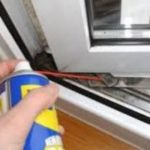
A damaged or cracked window can cause a lot of trouble. This can be an opportunity to upgrade your windows to energy efficient or insulated ones and enjoy benefits such as improved comfort, increased resale value and reduced utility bills.
You can do it yourself at only a fraction of the cost it would cost to hire an expert. It requires the right tools and only an hour or two of your time.
Glass
Replace window Pane your single-paned windows with tempered insulate glass to improve energy efficiency, cut down on noise, and protect the original character of your older home. A majority of homeowners with hand tools can repair windows with ease. In addition to a replacement pane, the following items are required for the replacement process: latex glazing putty pliers, glazier's points and the use of a heat gun to warm the old putty, if needed. Wear safety goggles and gloves prior to starting. Working with broken glass could result in serious injuries.
Begin by removing any remaining broken pieces of glass. It is recommended to use pliers for this however a flathead could work as well. After that, use a wood chisel, or putty knife, to take the remainder of the old putty from the frame and the sash. Work slowly and carefully making sure not to damage the old window sash. This should be done on a ladder, not the ground. Also, have someone on the ground to keep it in place.
Once you have removed all of the old putty, you can prepare the window frame to fit the new pane. To allow for seasonal expansion or contraction and contraction, subtract 1/8 inch from the measurements of width and height. These measurements can be sent to an hardware or home centers store to have cut a piece of glass that is in stock to the correct size. You can cut the glass yourself if you have the right tools.
After putting in the new pane, run a small bead of caulking along the edge to ensure it is weatherproof. Install a glazier’s point on both sides of the frame. This will help secure the pane. The points should not be so tight that they create friction between the frame and sash however they should not be loose.
Before applying the putty to the surface, gently knead it until it becomes soft and free of lumps. Then, roll it into pencil-size strips. The first strip should be placed to the corner of the frame, working from one corner to the next to ensure it is even and smooth.
Glazier's Points
The glazier's points are tiny triangular metal pieces which help to secure the glass to the frame without causing damage to the delicate surface. It's simple to learn how to use this hidden tool, and you'll save money on the cost of an expert installation.
After removing the old putty, glazier points and any residue, clean the frame thoroughly with an utility knife. Lightly sand the wood in the rabbet grooves, if necessary, to smooth out rough areas. If you decide to sand the wood, make sure to protect it by using painter's tape to prevent accidental damage.
Note down the dimensions of the frame. These measurements can be brought to a home center or hardware store, and the new frame will be cut slightly smaller. This will ensure a tight fit and will allow room for expansion and contraction.
Place the new pane in the frame and press it in place with your hand. Make use of the point of the chisel, or the back of the putty blade to tap the glaziers' points as shown in Figure 11. The glazier's points should be flush against the top edge of the pane and the shoulders should be just below the lip.
Apply a thin layer of glazing compound on the rabbet grooves as well as the edges of the new glass. This will protect and seal the edges. Let it dry and cure completely.
After the glazing compound dries it's time to put in the new window sash. First, you need to coat the wood with an even layer of linseed. This will keep the new putty from taking in the moisture and deteriorating and cracking over time. Apply the coat using a brush or the edge of your putty knife, and then use the chisel, or the back end from the putty knife to gently hammer in the new sash and glazier's point into the rabbet grooves. Repeat this process at intervals of 10 inches around the frame.
Putty
A baseball hit or a rock thrown by error, or a tree falling can cause a broken or cracked window pane. Fortunately, the majority of windows can be easily replaced by simply placing a new piece in the proper place. The glass is held in place using small clips made of metal called a glazier's point and putty, which is often called glazing compound. Before you install a new pane, first take out the old one and clean the area with an abrasive and a pull-type paint scraper or a wood chisel. Wear protective glasses and gloves when you work. You'll require a heat gun in the event that the window is glued to the frame.
If you're planning to install the original sash, remove any molding pieces that hold the old pane in place. Then, sand the sash to ensure it's level and ready to be re-caulked. Once the sash is installed, apply a new silicone caulk around the glass to ensure it won't leak or discolor in time.
Take out the glazing points in the rabbets. These are the grooves in the sash, which is where the glass is located. If they're difficult to chisel, hold a hand tool such as a heating gun over them for a few minutes to soften them. If you're using a heated gun, make sure not to damage the railings or sash by holding the tool too close.
After the old glazing points and putty have been removed prepare a bed for the new pane. Roll a piece of glazing compound between your hands, and form it to be around 1/2-inch thick. Then, you can press it into the rabbets in which the glass will rest. It is essential that the glass sits on the putty on each side If you have to do so, gently tap the glass into the rabbet using your thumb.
If the new pane is cracked, you can apply the silicone caulk or glass glue that is based on solvents to seal the crack before pressing it into the sash. If the crack isn't sealed, you will require putty to keep water from getting in. Once the putty is dry clean the oily film off of the glass and let it dry completely before painting. Paint after the putty has completely dried. It will not make a strong seal and could discolor or leak over time.
Paint
If you've experienced a broken window pane, you may be concerned about the expense of a new one. The truth is, replacing a single piece of glass doesn't need to be costly when you do it on your own. Even double-paned windows can be replaced for a fraction of the price it will cost for a professional.
If you are working on a large-sized window, make sure it is securely fastened to the frame. This can be done relatively easy and fast using the right tools and techniques.
Once you're ready to begin taking off the old window pane by removing the metal glazing points that are attached to it. These are essentially small metal triangles that act as "nails" which hold the window in place in the wood frame. They are placed under a glaze putty or bead that sets to form an unbreakable wedge that holds the frame in place and conceals the edges.
After removal of the old pane clean the frame and the wood. Scrape away any old paint and sand down the rabbet grooves where the glazing points used to be. Sand them to bare wood surfaces, so that you can paint the frames the same color. After sanding the wood, apply a layer of flax oil. This will help prolong the life of the frame.
The next step is to measure the dimensions of the window opening. It is necessary to take horizontal and vertical measurements of the entire opening and also the thickness of the old pane. To determine the exact dimensions of the new pane, subtract 1/8 inch from both measurements. This will allow for seasonal changes in the glass. You can bring these measurements to a hardware or home improvement store and have the glass cut for you.
Now, replace Window pane it's time to bed the new window pane. To do this, place the pane inside the frame and move it around until a 1/16 inch of putty remains between the edge of the glass and the sash on all four sides. Use a putty knife to smear the putty evenly, making sure that there isn't an excessive amount of excess putty in the corners and along the edges. When the putty dries, it can be painted with the same color as the frame to prevent water and air from leaking into the frame and causing fogging.
- 이전글Five Secret Stuff you Did not Learn about 台北外燴 24.04.17
- 다음글Ridiculously Easy Methods To improve Your 撥筋課程 24.04.17
댓글목록
등록된 댓글이 없습니다.

