What To Say About Best Robot Vacuum 2023 To Your Boss
페이지 정보

본문
The Best Robot Vacuum 2023
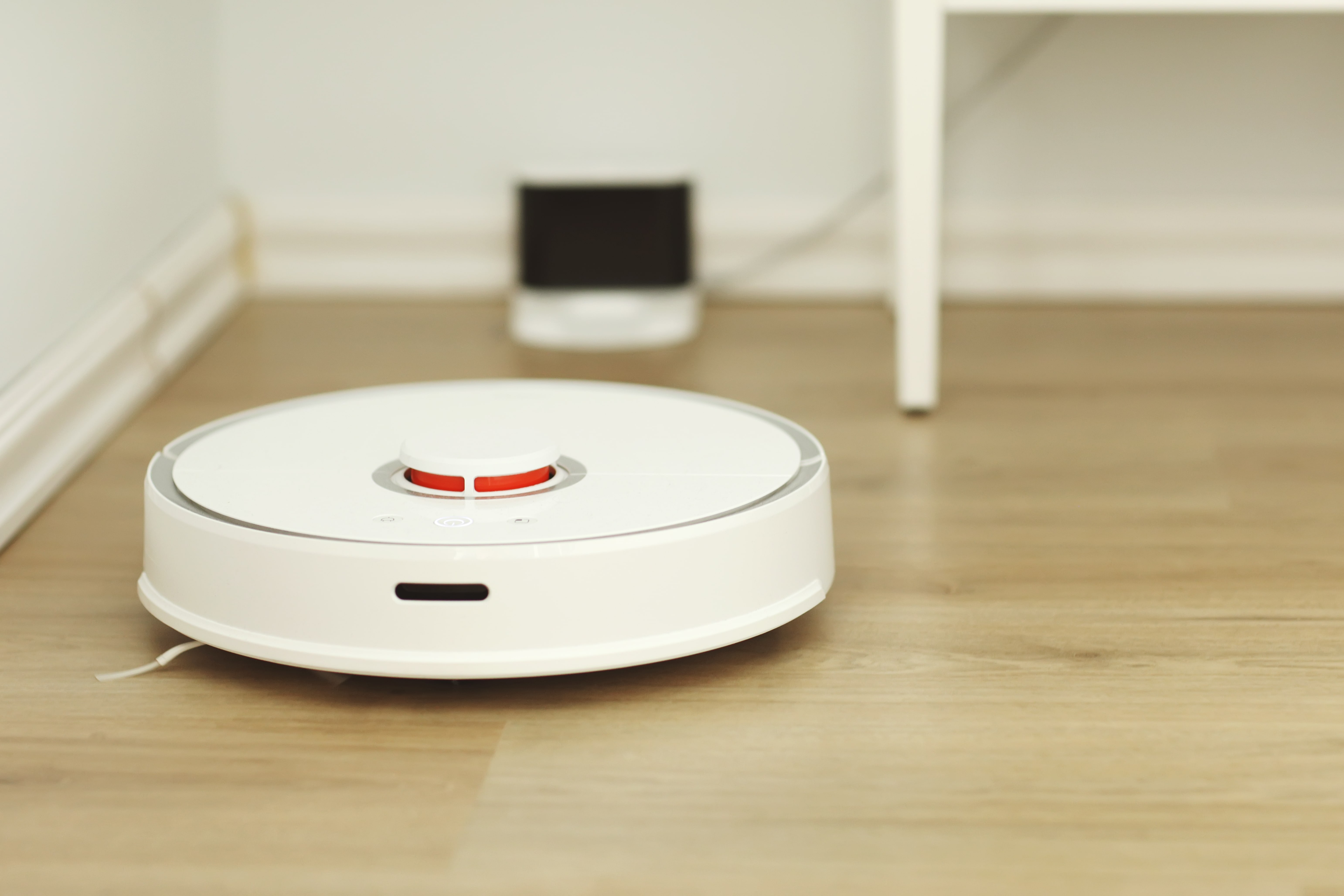 Cleaning your floors isn't always easy, but robot vacuums make it easier. The best robot vacuums are able to remove dirt, pet hair, crumbs, and more.
Although they're not as well as a regular vacuum cleaner, they have improved a lot in the past few years. They're smarter, more powerful and (marginally) better at avoiding chairs.
Smart Mapping
Robot vacuum cleaners use tools for navigation, such as lasers and sensors to navigate through your home. They collect pet hair, crumbs and dirt from hard floors such as tile, wood and laminate, as well as carpets with a low pile. The most sophisticated robots can map your home to help them keep track of where they've been and avoid hitting obstacles like chairs, sofas and bookshelves that you might want to keep out of your way. You can also set up no-go zones on your smartphone to instruct your robot to avoid rooms that you don't want to be able to keep.
Robots with advanced mapping capabilities, such as the Roomba j7, utilize processor-powered cameras and onboard sensors to detect and avoid obstacles. This means that you can leave it to do an effective cleaning without having to constantly check the status of your floorplan or manually move obstacles out of the robot's path. The TP-Link Tapo RV30 Plus is a robotic that does mopping and vacuuming, so it's a complete solution to keep your home tidy. It's got great suction and is compatible with Alexa and Google Assistant. It also comes with a handy self-emptying feature, and can be used as an alarm camera.
Roborock Q Revo, a lower-cost robot that vacuums, mop and can be used as an automated trashcan, is a good option for homes without the need for more advanced features. However, it has some limitations in comparison to Roomba S8 and j7. It uses one brush instead of dual roller brushes, meaning it might not be as effective at removing larger debris such as shoes and socks. It also doesn't have any AI obstacle avoidance, which means it could be necessary to get rid of any clutter prior to running it.
The iLife A4s Pro is a basic robot that's ideal for those who value simplicity and robot vacuum Black Friday proficiency. It costs less than $200 and offers strong, consistent suction for hardwood as well as carpets that are low-pile, while avoiding tangles with rug threads. It doesn't come with any fancy features, but it does its job well. It also works with voice commands. You can set it up on a schedule, or create no-go zones using the app.
Object Detection
Object-avoidance technology can make or break the robot's ability to navigate around your home. Certain models on this list have sensors (or cameras) to assist your robot vacuum in avoiding common traps for robots, such as cords, toys for kids and pet mess. iRobot Roomba J7 is among the most impressive examples of smart technology in motion, is an excellent example. It also has a stylish base that automatically empties the garbage bin, so you don't need to.
During testing, we set this robotic cleaner up in a big home and were amazed by how quickly and thoroughly it cleared floors without getting bogged down. It is very maneuverable and can reach areas that the majority of stand-up vacuums are unable to be, such as under beds and couches. It has a 500 ml dustbin, excellent suction and a runtime of over two hours. It lacks the option to set up no-go zones, and its object recognition isn't exactly reliable. We noticed it hitting objects at times during our tests which resulted in vases falling over.
It's important to keep it in mind that, regardless of how intelligent a robot vacuum is, it will not replace your upright or canister vacuum. It's not able to deal with heavy soiled carpets, it won't be able to reach every corner, and won't be able to reach your ceilings or other difficult to reach areas. It's a great addition to your routine cleaning for removing crumbs, hair, pet dander and other hair.
Sensor systems are integrated into most robot vacuums to help them navigate around stairs and obstacles. They can sense the moment they're about to fall down the stairs, for example and can also identify areas that are cluttered and move around them. However, if you're not careful your robot-cleaner could be stuck on a cord or stray shoe and require assistance.
Some smarter robot vacuums have mapping capabilities, which allow them to create an outline of your home and then locate themselves within it. They can then know what areas they've already cleaned and save time by not having to go over the same areas. It also lets them resume where they left off if they have to return to their charging dock.
Self-Emptying
A robot vacuum that automatically empty its dust bin when it is full is an incredible convenience. Some models even have a window that lets you see the time when the bin must be emptied. This is a great option for anyone with pets or children who make more mess than adults.
The majority of robot vacuums let you choose which model can be controlled with an app, a remote on your smartphone or voice commands. They have a number of digital features, including maintenance and scheduling tips. You can program your robot vacuum black Friday to clean on a weekly or regularly using the appropriate settings. You can also program the robot to clean and map out specific areas of your home.
Some of the smartest robot vacuums we've tested come with built-in cameras as well as smart sensor technology that lets them create maps of your home. You can save these maps to the robot's app to quickly navigate around your home. Some of these systems even keep track of the furniture's placement and transitions between hardwood floors and carpet.
Smart vacuums save time by cleaning entire homes by themselves and also keeping detailed records of the previous cleaning sessions. You can access these records via an app on your phone or tablet. Many can also connect to your smart speaker, so you can control them using voice commands.
TP-Link's Tapo RV30 Plus is an inexpensive, self-emptying robot vacuum mop vacuum that delivers good performance for the money. It can clean hardwood floors and carpets with low pile, and also remove pet hair and other debris. It's not as sophisticated as other robots we've reviewed, but it does its job well.
The rubber-like wheels that this model has allow it to move right over the high gaps between rooms and obstacles such as tangled cords for devices that can cause problems for other robots. It comes with a large bin that does not need to be manually emptied and is able to recharge itself and continue cleaning when it is unable to continue cleaning. It's a bit more costly than other robotic vacuums we've tried, but it blends powerful suction with simple controls to give you a good value.
Voice Control
Most robot vacuums are controlled by a remote or an app on a smartphone. Some robot vacuums can be operated by voice commands through smart speakers like Amazon Echo or Google Home. This is a great option if your robot needs to be cleaned and you have pets or small children who might interfere.
Most models also include an automatic vacuum robot mode that operates without input from you. The robot can be started by pressing a button within the app or on the robot. These robots can be programmed to clean on a regular schedule and is perfect for those who prefer to program it to forget about it.
Some of the most expensive models include an advanced feature that makes use of artificial intelligence to examine your home and find obstacles. They can detect things like power cords, stairs as well as furniture, and they can also discern between different kinds of floors. This can help robots stay clear of dangers. This is especially useful in homes with large areas of carpeting and flooring that are difficult for robots navigate.
Some robots come with less basic ability to detect objects but they are able to get the job done. One example is the TP-Link Tapo RV30 plus, which has the clean and easy-to-use appearance of a WiFi hub, but boasts a lot of the performance of a top bot. It has excellent suction and handles dirt and debris from hardwood floors and rugs with medium pile effortlessly. Its short, squat side brushes are less likely to be caught in stray shoes and cords and its hybrid roller brush utilizes bristles and plastic rather than bristles in traditional form for a more thorough cleaning.
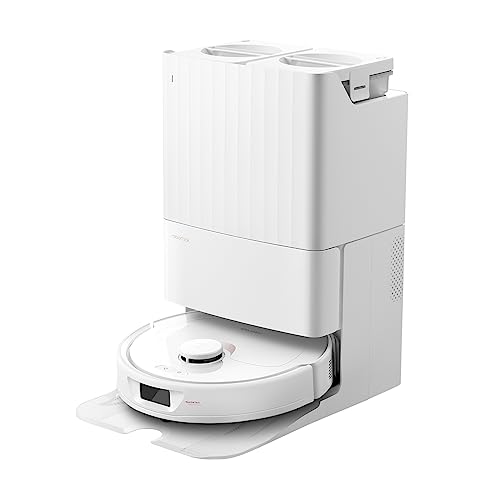 This model is more expensive than other robots in the middle-end however, it can do everything you would expect from mop and vacuum robots. It can draw out an cleaning schedule and design one. It also has virtual zones to keep out of. However, it does not have the ability to scan rooms or avoid obstacles like the S8 or j7.
Cleaning your floors isn't always easy, but robot vacuums make it easier. The best robot vacuums are able to remove dirt, pet hair, crumbs, and more.Although they're not as well as a regular vacuum cleaner, they have improved a lot in the past few years. They're smarter, more powerful and (marginally) better at avoiding chairs.
Smart Mapping
Robot vacuum cleaners use tools for navigation, such as lasers and sensors to navigate through your home. They collect pet hair, crumbs and dirt from hard floors such as tile, wood and laminate, as well as carpets with a low pile. The most sophisticated robots can map your home to help them keep track of where they've been and avoid hitting obstacles like chairs, sofas and bookshelves that you might want to keep out of your way. You can also set up no-go zones on your smartphone to instruct your robot to avoid rooms that you don't want to be able to keep.
Robots with advanced mapping capabilities, such as the Roomba j7, utilize processor-powered cameras and onboard sensors to detect and avoid obstacles. This means that you can leave it to do an effective cleaning without having to constantly check the status of your floorplan or manually move obstacles out of the robot's path. The TP-Link Tapo RV30 Plus is a robotic that does mopping and vacuuming, so it's a complete solution to keep your home tidy. It's got great suction and is compatible with Alexa and Google Assistant. It also comes with a handy self-emptying feature, and can be used as an alarm camera.
Roborock Q Revo, a lower-cost robot that vacuums, mop and can be used as an automated trashcan, is a good option for homes without the need for more advanced features. However, it has some limitations in comparison to Roomba S8 and j7. It uses one brush instead of dual roller brushes, meaning it might not be as effective at removing larger debris such as shoes and socks. It also doesn't have any AI obstacle avoidance, which means it could be necessary to get rid of any clutter prior to running it.
The iLife A4s Pro is a basic robot that's ideal for those who value simplicity and robot vacuum Black Friday proficiency. It costs less than $200 and offers strong, consistent suction for hardwood as well as carpets that are low-pile, while avoiding tangles with rug threads. It doesn't come with any fancy features, but it does its job well. It also works with voice commands. You can set it up on a schedule, or create no-go zones using the app.
Object Detection
Object-avoidance technology can make or break the robot's ability to navigate around your home. Certain models on this list have sensors (or cameras) to assist your robot vacuum in avoiding common traps for robots, such as cords, toys for kids and pet mess. iRobot Roomba J7 is among the most impressive examples of smart technology in motion, is an excellent example. It also has a stylish base that automatically empties the garbage bin, so you don't need to.
During testing, we set this robotic cleaner up in a big home and were amazed by how quickly and thoroughly it cleared floors without getting bogged down. It is very maneuverable and can reach areas that the majority of stand-up vacuums are unable to be, such as under beds and couches. It has a 500 ml dustbin, excellent suction and a runtime of over two hours. It lacks the option to set up no-go zones, and its object recognition isn't exactly reliable. We noticed it hitting objects at times during our tests which resulted in vases falling over.
It's important to keep it in mind that, regardless of how intelligent a robot vacuum is, it will not replace your upright or canister vacuum. It's not able to deal with heavy soiled carpets, it won't be able to reach every corner, and won't be able to reach your ceilings or other difficult to reach areas. It's a great addition to your routine cleaning for removing crumbs, hair, pet dander and other hair.
Sensor systems are integrated into most robot vacuums to help them navigate around stairs and obstacles. They can sense the moment they're about to fall down the stairs, for example and can also identify areas that are cluttered and move around them. However, if you're not careful your robot-cleaner could be stuck on a cord or stray shoe and require assistance.
Some smarter robot vacuums have mapping capabilities, which allow them to create an outline of your home and then locate themselves within it. They can then know what areas they've already cleaned and save time by not having to go over the same areas. It also lets them resume where they left off if they have to return to their charging dock.
Self-Emptying
A robot vacuum that automatically empty its dust bin when it is full is an incredible convenience. Some models even have a window that lets you see the time when the bin must be emptied. This is a great option for anyone with pets or children who make more mess than adults.
The majority of robot vacuums let you choose which model can be controlled with an app, a remote on your smartphone or voice commands. They have a number of digital features, including maintenance and scheduling tips. You can program your robot vacuum black Friday to clean on a weekly or regularly using the appropriate settings. You can also program the robot to clean and map out specific areas of your home.
Some of the smartest robot vacuums we've tested come with built-in cameras as well as smart sensor technology that lets them create maps of your home. You can save these maps to the robot's app to quickly navigate around your home. Some of these systems even keep track of the furniture's placement and transitions between hardwood floors and carpet.
Smart vacuums save time by cleaning entire homes by themselves and also keeping detailed records of the previous cleaning sessions. You can access these records via an app on your phone or tablet. Many can also connect to your smart speaker, so you can control them using voice commands.
TP-Link's Tapo RV30 Plus is an inexpensive, self-emptying robot vacuum mop vacuum that delivers good performance for the money. It can clean hardwood floors and carpets with low pile, and also remove pet hair and other debris. It's not as sophisticated as other robots we've reviewed, but it does its job well.
The rubber-like wheels that this model has allow it to move right over the high gaps between rooms and obstacles such as tangled cords for devices that can cause problems for other robots. It comes with a large bin that does not need to be manually emptied and is able to recharge itself and continue cleaning when it is unable to continue cleaning. It's a bit more costly than other robotic vacuums we've tried, but it blends powerful suction with simple controls to give you a good value.
Voice Control
Most robot vacuums are controlled by a remote or an app on a smartphone. Some robot vacuums can be operated by voice commands through smart speakers like Amazon Echo or Google Home. This is a great option if your robot needs to be cleaned and you have pets or small children who might interfere.
Most models also include an automatic vacuum robot mode that operates without input from you. The robot can be started by pressing a button within the app or on the robot. These robots can be programmed to clean on a regular schedule and is perfect for those who prefer to program it to forget about it.
Some of the most expensive models include an advanced feature that makes use of artificial intelligence to examine your home and find obstacles. They can detect things like power cords, stairs as well as furniture, and they can also discern between different kinds of floors. This can help robots stay clear of dangers. This is especially useful in homes with large areas of carpeting and flooring that are difficult for robots navigate.
Some robots come with less basic ability to detect objects but they are able to get the job done. One example is the TP-Link Tapo RV30 plus, which has the clean and easy-to-use appearance of a WiFi hub, but boasts a lot of the performance of a top bot. It has excellent suction and handles dirt and debris from hardwood floors and rugs with medium pile effortlessly. Its short, squat side brushes are less likely to be caught in stray shoes and cords and its hybrid roller brush utilizes bristles and plastic rather than bristles in traditional form for a more thorough cleaning.
This model is more expensive than other robots in the middle-end however, it can do everything you would expect from mop and vacuum robots. It can draw out an cleaning schedule and design one. It also has virtual zones to keep out of. However, it does not have the ability to scan rooms or avoid obstacles like the S8 or j7.- 이전글How To Prevent This Together With Your Swedish Massage 24.04.14
- 다음글Ten Window Repair Near Me Products That Can Make Your Life Better 24.04.14
댓글목록
등록된 댓글이 없습니다.

