The Reasons To Focus On Making Improvements To Shipping Container Size…
페이지 정보

본문
Understanding Shipping Container Sizes: A Comprehensive Guide
Shipping containers are an integral part of worldwide trade, efficient in transferring goods across vast distances with effectiveness and security. They can be found in numerous sizes and types, each serving specific needs in the shipping and logistics industry. This article will supply a useful introduction of shipping container sizes, helping readers understand their dimensions, capacities, and utilizes.
Types of Shipping Containers
Shipping containers are classified based upon their dimensions and performances. Below are the most common types:
- Standard Containers: These are the most typically used containers for shipping non-perishable products.
- High Cube Containers: Slightly taller than basic containers, these are ideal for items that require additional vertical space.
- Reefer Containers: Refrigerated containers used for carrying disposable goods.
- Open Top Containers: Designed for heavy equipment or products that require to be loaded from the top.
- Flat Rack Containers: Used for oversized cargo that does not fit in standard containers.
Requirement Shipping Container Sizes
Shipping containers been available in several basic sizes. The most popular dimensions are the 20-foot and 40-foot containers. Below is a table that sums up the key specifications of these standard containers:
| Container Type | Length (ft) | Width (feet) | Height (ft) | Internal Volume (cu ft) | Max Payload (pounds) |
|---|---|---|---|---|---|
| Standard 20' | 20 | 8 | 8.5 | 1,169 | 55,126 |
| Requirement 40' | 40 | 8 | 8.5 | 2,385 | 59,300 |
| High Cube 20' | 20 | 8 | 9.5 | 1,189 | 55,126 |
| High Cube 40' | 40 | 8 | 9.5 | 2,694 | 58,200 |
| Reefer 20' | 20 | 8 | 8.5 | 1,160 | 53,000 |
| Reefer 40' | 40 | 8 | 8.5 | 2,390 | 58,000 |
| Open Top 20' | 20 | 8 | 8.5 | 1,169 | 50,000 |
| Open Top 40' | 40 | 8 | 8.5 | 2,390 | 55,000 |
| Flat Rack 20' | 20 | 8 | 8.5 | 1,169 | 48,000 |
| Flat Rack 40' | 40 | 8 | 8.5 | 2,390 | 54,000 |
Secret Dimensions Explained
- Length: Most shipping containers are 20 or 40 feet long; however, there are extra sizes readily available for specialized requirements.
- Width: The standard width is 8 feet, which is constant throughout most container types.
- Height: Standard containers are 8.5 feet tall, while high cube containers provide an additional foot in height.
Aspects to Consider When Choosing a Container Size
Selecting the right container size is essential for enhancing Shipping Container Manufacturers expenses and ensuring the safe transport of goods. Here are some factors to consider:
Type of Goods: Determine if the goods to be shipped can fit conveniently within the picked container size. Large or oversized items might require a flat rack or open-top container.
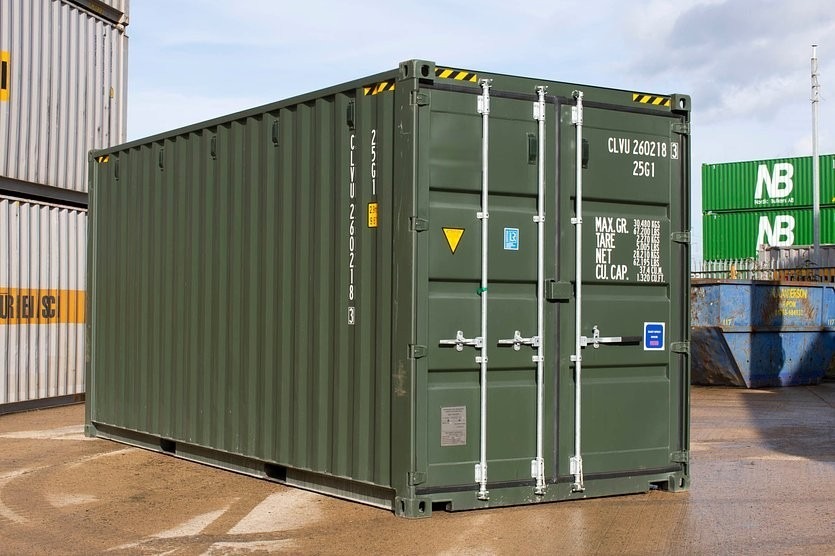
Weight Limitations: Each container has a maximum payload limitation. It's essential not to surpass this limit for safety and compliance with shipping regulations.
Storage and Handling: Consider whether the container will be saved on-site and how often it will need to be accessed. Bigger containers might be beneficial for more substantial inventory, while smaller sized containers could be enough for shorter storage requirements.
Transportation Costs: Larger containers might feature greater shipping costs. Balancing the best container size with shipping costs can cause significant savings.
Shipping Container Use Cases
Knowing the various container types and sizes is just the start. Here are some typical usage cases for Shipping Container Manufacturers containers:
- International Shipping: Standard containers are frequently used to transport goods internationally.
- Momentary Storage: Containers can serve as temporary storage units at construction sites or for businesses requiring additional space.
- Housing Solutions: Increasingly, Modified Shipping Containers (https://kanban.xsitepool.tu-freiberg.de/s/Sy2nWUHF-g) are used for domestic functions due to their durability and low cost.
- Pop-up Shops: Entrepreneurs use Shipping Container Dimensions containers for mobile retail spaces or food trucks.
Frequently Asked Question about Shipping Container Sizes
Q1: What is the most common size for shipping containers?A1: The most typical shipping container sizes are 20-foot and 40-foot containers.
Q2: Can you stack shipping containers?A2: Yes, shipping containers are developed to be stacked; nevertheless, weight restrictions should be considered.
Q3: How do I know which container is ideal for my requirements?A3: Identify the type and volume of products you prepare to ship, assess weight limitations, and consider any specific handling requirements.
Q4: Are high cube containers worth the extra cost?A4: High cube containers supply additional vertical space, making them perfect for taller items, however whether they are worth the extra cost depends upon private shipping needs.

Q5: Can I acquire a shipping container?A5: Yes, shipping containers can be purchased from various suppliers, and lots of people transform them into homes or storage units.
Understanding shipping container sizes is essential for companies included in logistics and transportation. By familiarizing themselves with the various kinds of containers and their requirements, shippers can make sure efficient use of space, decrease costs, and enhance the safe transport of products. Whether for worldwide Shipping Container Leasing, storage, or distinct housing solutions, shipping containers offer flexible, durable options for various needs.
- 이전글럭스비아 비아그라 복용 정보 복용 방법 , 제품 정보 정리 26.04.14
- 다음글You'll Be Unable To Guess Internal Dimensions Of 45 Ft Container's Tricks 26.04.14
댓글목록
등록된 댓글이 없습니다.

