Why You Should Use FileViewPro To Open AMC Files
페이지 정보

본문
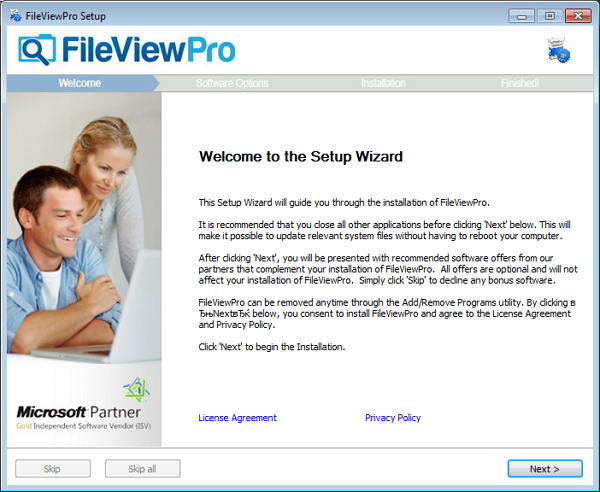 An "AMC file" can mean different things due to extension reuse, though the version most users encounter is a legacy phone-era video container built for tiny screens and low processing power, often encoded with obsolete codecs that modern players may not support, commonly found as small megabyte files in old backups or media folders and appearing as messy binary data when viewed in Notepad.
The simplest test is to try opening it in VLC; if it plays you’re done, and if it doesn’t, converting to MP4 is usually the most straightforward fix, with HandBrake working when it recognizes the file and FFmpeg often rescuing stubborn cases by re-encoding video to H.264 and audio to AAC, though .amc can also mean Acclaim Motion Capture used in 3D animation workflows—which is motion data paired with an .asf skeleton and looks like structured text rather than video—and in rarer cases it’s a macro or config file for niche automation tools that may contain XML/JSON or command-like lines, while "AMC" as a networking term (Adaptive Modulation and Coding) is unrelated and not a universal file format.
An "AMC file" most commonly fits one of three meanings, which you can spot by checking its source, its size, and whether a text editor shows gibberish, with the typical case being a legacy mobile multimedia format from older phones—megabytes in size, found in backups or MMS/Bluetooth/media folders, and full of unreadable binary in Notepad—and VLC is the quick test: if it plays, it’s the mobile-video form; if not, converting to MP4 is the practical fix due to outdated containers/codecs.
The second major meaning is Acclaim Motion Capture for 3D animation work, where an .amc contains movement data instead of video—usually smaller in size, often paired with an .ASF skeleton, and full of structured numeric text when viewed, which is a clear sign of mocap, while the third category is a macro/config/project file from a particular automation program that tends to be small and displays readable XML/JSON-like text or command lines, so the quick rule is: big media-origin files imply old mobile video, mocap bundles with .ASF imply animation data, and small structured text suggests a program-specific macro.
To see if an AMC file is a video, consider its origin, its size, and whether playback software recognizes it, because files pulled from aged mobile backups, MMS or Bluetooth transfers, or DCIM/media directories strongly imply a mobile-era video format, and multi-megabyte sizes usually confirm video rather than lightweight mocap or macro/config files.
If you loved this post and you would such as to receive additional details pertaining to AMC file information kindly check out our own website. Opening the file in Notepad is a simple test—true video containers typically show chaotic binary from the start, not cleanly formatted text or structured numbers, and VLC is the surest confirmation: working playback signals video, while errors could point to old or unsupported codecs or a non-video AMC type, making a converter or FFmpeg the next logical step to inspect for audio/video streams and convert to MP4.
- 이전글Http //dl.highstakesweeps.com Login : The Ultimate Convenience! 26.02.07
- 다음글The Spadegaming Slots & RTP Guide Thriller Revealed 26.02.07
댓글목록
등록된 댓글이 없습니다.