Cot For Baby's History History Of Cot For Baby
페이지 정보

본문
A Comprehensive Guide to Choosing the Right Cot for Your Baby
When it concerns preparing for a brand-new baby, one of the most vital purchases moms and dads should make is selecting a cot. A baby cot is not simply a furniture piece; it plays a considerable function in ensuring a baby's safety, convenience, and wellness throughout sleep. With the variety of alternatives available in the market, parents typically find themselves overwhelmed. This blog post intends to offer you with extensive info about baby cots, covering vital elements to consider, different kinds of cots, safety guidelines, and regularly asked concerns.
Kinds Of Baby Cots
Before diving into how to choose the very best cot for your baby, it's vital to understand the various types of cots readily available:
| Type of Cot | Description | Pros | Cons |
|---|---|---|---|
| Standard Cot | A traditional fixed-size crib. Generally made of wood or metal, they fit basic baby crib mattresses. | Sturdy and trusted. | Can not be adjusted as the baby grows. |
| Convertible Cot | Can be changed into various sleeping plans (e.g., toddler bed, daybed). | Grows with your child; long-term investment. | Typically more pricey; requires assembly. |
| Travel Cot | Lightweight and portable cot, simple to fold and bring for travel or outdoor use. | Convenient for travel; easy storage. | Less strong; not perfect for long-term use. |
| Moses Basket | A portable, basket-like baby crib for babies, generally made of wicker or material. | Light-weight and relaxing for babies. | Restricted use; need to shift to a bigger cot soon. |
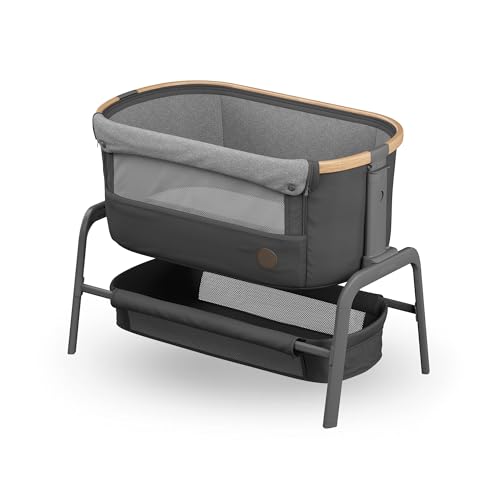
| Co-Sleeper | Connects to the adult bed, providing safety while keeping the baby close for nighttime feedings. | Promotes bonding; easy gain access to throughout night. | Minimal use and space restrictions in the bed room. |
Key Factors to Consider
1. Security Standards
Safety is paramount when choosing a cot for a baby. Ensure that the cot complies with the current safety requirements set by regulative bodies in your country (such as the Consumer Product Safety Commission in the U.S.). Look for:
- No sharp edges or splinters.
- Protect and durable building and construction.
- The range in between slats ought to not exceed 2.375 inches to prevent the baby's head from getting stuck.
- Make sure that the cot is devoid of toxic surfaces or paints.
2. Size and Space
Select a cot that fits comfortably in your available area while enabling easy motion around it. Furthermore, think about the size of your baby and for how long you plan to utilize it. A basic cot usually accommodates infants approximately 3 years or until they outgrow it. Procedure the measurement of the available area in your space or nursery before acquiring.
3. Adjustable Mattress Height
Try to find a cot with an adjustable mattress height. This feature permits you to raise the bed mattress for easy access to your newborn and lower it as your baby grows and starts to stand.
4. Material and Design
Healthy sleeping conditions for infants require the cot to be made from non-toxic materials. most recommended Cribs - hoseaguerero.Top, cots are made from either wood or metal. Wood is usually preferred for its durability and visual appeal, while metal is often lighter and easier to move. Choose a style that matches your home decoration however focus on functionality and security over aesthetics.
5. Alleviate of Conversion
If you go with a convertible cot, examine how easily it transitions into a toddler bed or playpen. Some require comprehensive assembly or buying additional parts. Always check out evaluations to know how problem-free the conversion process is.
Preserving Your Baby Cot
Preserving the cot is vital for ensuring safety and hygiene. Here are some ideas:
- Regularly inspect for loose screws or parts that require tightening.
- Clean the cot frame and bed mattress with a moderate cleaning agent to avoid irritants.
- Usage hypoallergenic bed mattress covers and wash them weekly.
- Avoid placing heavy blankets or toys in the cot, which could pose suffocation dangers.
Frequently Asked Questions (FAQ)
1. When should I change my baby to a crib?
A lot of parents shift their baby to a crib when the baby reaches 5-6 months; nevertheless, it frequently depends upon their advancement and activity levels.
2. How long can a baby sleep in a cot?
Many cots are developed for babies up to around 3 years of ages. After this age, transitioning to a toddler bed is recommended.
3. What is the very best mattress type for a cot?
A firm, breathable mattress is essential for baby safety and comfort. Prevent soft bed mattress or other bedding devices that position SIDS threats.
4. Should I use bedding in the cot?
For babies up to 12 months, experts advise using only a fitted sheet and avoiding blankets, pillows, and packed toys to reduce the risk of suffocation.
5. Can I utilize a pre-owned cot?
If you think about an utilized cot, guarantee it meets existing security standards, has not been remembered, and remains in excellent condition without any damage that could compromise security.
Selecting the best cot for your baby is a necessary task that needs cautious consideration of safety, functionality, and design. By comprehending the kinds of cots available and the crucial functions to look out for, moms and dads can make educated decisions to create a safe sleeping environment for their youngsters. Routine upkeep can further guarantee security and durability, making a baby cot a deserving investment for any family.
- 이전글비아그라전문 시알리스5mg구매, 25.12.22
- 다음글Three Things Your Mom Should Have Taught You About All PG Soft Games In One Place 25.12.22
댓글목록
등록된 댓글이 없습니다.

