FileViewPro vs Other Viewers: Why It Wins for ZPAQ Files
페이지 정보

본문
A .zpaq archive is best described as a compressed archive created by the ZPAQ format and utility. Developed by Matt Mahoney, ZPAQ is an open, incremental backup and archiving format that focuses on strong compression and durable storage rather than raw performance. Rather than just capturing a snapshot once, ZPAQ writes each change as a new transaction, so the archive records the history of additions, modifications, and deletions. This design lets you restore earlier versions of files or reconstruct past directory states from a single archive, which is ideal for backups and versioned storage. ZPAQ also supports modular, advanced compression algorithms that can be tuned for different data types, making it especially effective for large datasets, scientific projects, or situations where saving as much space as possible matters more than fast compression times. In practice, you will get the most control by opening .ZPAQ files in dedicated ZPAQ tools, yet a multi-format viewer like FileViewPro can bridge the gap for everyday users by identifying the file type and simplifying access to the data stored inside.
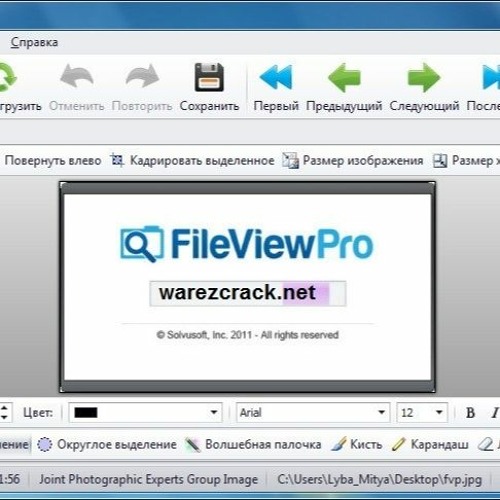
Compressed files are digital containers designed to make data smaller, more portable, and easier to manage. Behind the scenes, they function by looking for repeating patterns and unnecessary duplication so the same information can be written in a shorter form. This allows users to pack more into the same disk space or send large sets of files faster over the internet. Whether it is one spreadsheet or a full collection of mixed files and subfolders, everything can be bundled into a single compressed package, condensed into one archive that takes up less space than the separate files would. Because of this versatility, compressed formats appear everywhere, from software downloads and backups to email attachments, game resources, and long-term data archives.
Compressed archives only became practical after key breakthroughs in compression theory and widespread adoption of home and office PCs. Early on, academics including Lempel and Ziv created methods such as LZ77 and LZ78, demonstrating that redundancy could be removed without permanently losing information. These ideas eventually led to widely used methods like LZW and DEFLATE, which power many popular compression formats today. As DOS and early Windows spread, utilities such as PKZIP, created by developers like Phil Katz, made compression part of normal computer use, which popularized the ZIP format and established a simple way to bundle and shrink files on early systems. Since then, many alternative archive types have appeared, each offering its own balance of speed, compression strength, and security features, yet all of them still revolve around the same core principle of compact packaging.
On a technical level, compressed files rely on one or more algorithms that are usually described as lossless or lossy. With lossless compression, nothing is permanently thrown away, so it is safe for any information where accuracy matters. That is why traditional archive formats prioritize lossless compression: when you extract them, your content comes back unchanged. Lossy compression, by contrast, deliberately discards information that is considered less important, especially in media like audio, video, and certain images. Although we often treat a compressed archive and a compressed video or song as different things, they rest on the same basic idea of spotting patterns, removing redundancy, and encoding everything efficiently. Beyond just smaller size, archives also act as containers that protect folder structures and metadata in one place.
With the growth of high-speed networks and powerful devices, compressed files have found increasingly sophisticated roles. Software distribution is a prime example, where applications are shipped as compressed packages that download quickly and then unpack into their full structure on the user’s device. In gaming and multimedia, massive collections of images, audio, and data can be wrapped into compressed resource files that engines can stream and update efficiently. Operations teams routinely compress old logs, database dumps, and configuration snapshots so they are easy to store and transfer. Distributed systems and cloud platforms continuously compress data behind the scenes, helping keep performance high and bills under control.
Another important dimension of compressed files is their role in archiving, long-term storage, and security. By shrinking data, they make it feasible to store large email archives, research collections, project histories, and media libraries on external drives, tape systems, or cloud backup services. To guard against bit rot or transfer errors, compressed archives often embed mechanisms to confirm that everything inside is still valid. When privacy is a concern, encrypted compressed archives offer an extra layer of defense on top of size reduction. This combination of compactness, structure, and optional security has made compressed files a natural home for financial records, contracts, proprietary code, and other confidential material.
On the practical side, compressed files remove a lot of friction from sharing and organizing information. Rather than attaching every file one by one, you can pack them into one archive and send just that, cutting down on clutter and transmission time. Archives preserve directory layouts, which prevents confusion about where each file belongs when someone else opens the package. Some programs even rely on compression in the background for troubleshooting, creating ready-to-send archives of logs and configuration data. As a result, knowing how to deal with compressed files is now as fundamental as understanding how to copy and paste or move files between folders.
The variety of archive extensions can easily become confusing if you try to match each one with a separate application. A utility like FileViewPro helps solve this problem by recognizing a wide range of compressed file types and presenting their contents in a clear, user-friendly interface. By centralizing the process into one application, FileViewPro makes it easier to browse archive contents, preview files, and choose exactly which items to restore. Whether you are a casual user, a power user, or somewhere in between, tools like FileViewPro take the complexity out of dealing with compressed files so you can focus on the content rather than the format.
In the future, compression technology will keep changing alongside faster hardware and new ways of working with data. Newer compression methods are being tuned for today’s needs, from huge scientific datasets to interactive online experiences. Even as hardware improves, storage and bandwidth are not infinite, so compression remains an essential tool. In every scenario, from home PCs to enterprise servers, compressed files make data easier to move, store, and protect. By pairing advanced compression formats with an accessible viewer like FileViewPro, the benefits of smaller, smarter files become available to every user, not just technical experts.
- 이전글실데나필구입, 가짜 시알리스부작용, 25.11.26
- 다음글Why Treadmill Shop Isn't A Topic That People Are Interested In Treadmill Shop 25.11.26
댓글목록
등록된 댓글이 없습니다.