The 10 Most Scariest Things About Durable Walker
페이지 정보

본문
Choosing a Durable Walker: Your Guide to Enhanced Mobility and Independence
Browsing life's daily challenges can become significantly difficult as we age or face health issues that restrict mobility. For many, a durable walker can be a game-changer-- providing not just physical support however also boosting self-confidence. This article will explore the different types of durable walkers available, their key features, upkeep ideas, and how to select the ideal walker for your needs.
What is a Durable Walker?
A durable Medical Walker is a mobility aid designed to offer stability and support for people with restricted movement abilities. Unlike standard walkers, durable walkers are developed with robust products and engineering developed for regular use, making them ideal for users who require a reliable aid for everyday activities.
Kinds Of Durable Walkers
When selecting a durable walker, it's important to understand the different types available. Below is a table detailing typical kinds of durable walkers, their features, and ideal usage cases.
| Type of Compact Walker | Features | Suitable For |
|---|---|---|
| Standard Walker | Lightweight, non-wheeled design, adjustable height | Individuals requiring standard support |
| Wheeled Walker | 2 front wheels, braking system | Users needing additional mobility in the home |
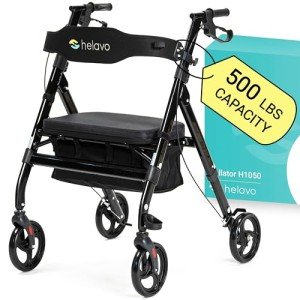
| Heavy-Duty Walker | Tough frame for heavier weight capacity | Overweight individuals or those with higher mobility needs |
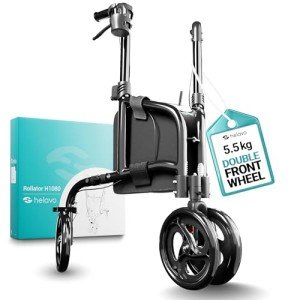
| Premium Quality Rollator High-Quality Walker | Four wheels, seat, hand brakes | Users searching for resting alternatives throughout strolls |
| Folding Walker | Collapsible design for easy transport | Individuals who take a trip frequently or have restricted storage |
| Knee Walker | Knee support for non-weight-bearing legs | People recovering from foot or ankle injuries |
Secret Features to Consider
When selecting a Durable Walker (Morris-Kearns-2.Blogbright.Net), several features need to be considered to guarantee it meets your specific requirements. Below is a list of necessary features:
- Weight Capacity: Ensure the Easy-To-Use Walker can support the user's weight safely.
- Height Adjustability: Look for walkers with adjustable heights to offer correct ergonomic support.
- Product: Aluminum walkers are lightweight and durable, while steel walkers offer added sturdiness.
- Wheels: Consider walkers with wheels for easier maneuverability if the user is mobile enough.
- Grip Handles: Ergonomically created grip deals with improve comfort and stability.
- Storage Options: Many walkers featured connected seats or storage bags for convenience.
- Braking System: Essential for wheeled walkers to ensure stability during usage.
Benefits of Using a Durable Walker
Purchasing a durable walker comes with various advantages. Here are a few:
- Increased Stability: The main function of a walker is to supply support and stability.
- Boosted Confidence: Using a walker can help users feel more secure in moving around their environment.
- Enhanced Mobility: Walkers can assist people keep mobility and self-reliance.
- Reduced Fatigue: A walker reduces tension on joints and muscles throughout movement.
- Enhanced Posture: They typically promote much better posture and alignment, which can reduce neck and back pain.
How to Maintain Your Durable Walker
To guarantee the longevity and safety of a durable walker, regular maintenance is crucial. Here are some pointers:
- Check for Damage: Inspect for any cracks or loose parts routinely.
- Tidy Regularly: Wipe down handles and frame with a moderate cleaner to keep it sanitary.
- Oil Wheels: For wheeled walkers, apply lubricant to prevent squeaking and make sure smooth movement.
- Height Adjustments: Periodically check if the height is still ideal and adjust appropriately.
- Tighten Screws: Regularly inspect screws and bolts to ensure they are tight and secure.
Often Asked Questions (FAQs)
1. How do I understand which kind of walker is best for me?
Picking the right walker depends upon your particular mobility requirements, weight capability, and comfort preferences. Consulting with a healthcare specialist can offer customized insights.
2. Can I utilize a walker on unequal surface areas?
While numerous resilience walkers are created for numerous surfaces, it's advisable to use them on flat surface areas when possible. Search for walkers with bigger wheels for better performance on uneven surface areas.
3. Exist walker's covered by insurance coverage?
In lots of cases, Medicare and other insurance coverage strategies cover durable walkers with a doctor's prescription. Talk to your insurer for particular information.
4. Can walkers be utilized outdoors?
Lots of durable walkers are suitable for outdoor usage. Nevertheless, choosing one with larger wheels and excellent suspension will enhance the experience on unequal surfaces like turf or gravel.
5. How much weight can a heavy-duty walker support?
Heavy-duty walkers usually support in between 300 to 600 pounds, depending upon the model. Constantly inspect the producer's specifications.
A durable walker can substantially boost the lifestyle for people with mobility obstacles. By understanding the various types, features, and upkeep standards, users can make an informed option that best fulfills their requirements. With the best walker, people can gain back mobility, self-reliance, and self-confidence in their every day lives. As always, speaking with a healthcare expert for individualized recommendations is encouraged to ensure the best fit for mobility needs.
- 이전글How Do You Refill JUUL Pods? 25.10.16
- 다음글Five Buy Fake Polish Driving License Lessons From The Professionals 25.10.16
댓글목록
등록된 댓글이 없습니다.

