What's The Job Market For 45ft Container Capacity Professionals?
페이지 정보

본문
Understanding the 45ft Container: Capacity, Uses, and Insights
In the world of shipping and logistics, the 45-foot container stands apart as a flexible and effective service for carrying items. While the basic 20-foot and 40-foot containers are widely utilized, the 45-foot container provides special advantages that make it a favored choice for specific types of cargo. This post explores the capacity, dimensions, and practical applications of the 45-foot container, providing valuable insights for both logistics experts and services looking to enhance their shipping procedures.
What is a 45ft Container?
A 45-foot container, as the name recommends, is a shipping 45ft container dimensions that measures 45 feet in length. This extended length supplies extra cargo space compared to its 40-foot counterpart, making it ideal for bigger deliveries or those that require more volume. The 45-foot container becomes part of the intermodal cargo system, designed to be transported by ship, rail, and truck without the need for discharging and refilling the cargo.

Dimensions and Specifications
- Length: 569 centimeters (18 feet 8 inches) externally, 555 centimeters (18 feet 2.5 inches) internally
- Width: 243.8 centimeters (8 feet) externally, 235 centimeters (7 feet 8.5 inches) internally
- Height: 290 centimeters (9 feet 6 inches) externally, 260 centimeters (8 feet 6 inches) internally
- Door Opening: 233 centimeters (7 feet 7.5 inches) wide, 259 centimeters (8 feet 6 inches) high
- Volume: Approximately 76 cubic meters (2,685 cubic feet)
- Weight Capacity: Up to 29,310 kilograms (64,600 pounds)
Internal and External Features
The 45-foot container is geared up with a number of functions that improve its use and resilience:
- Corrugated Steel Walls: These provide structural stability and resistance to wear and tear.
- Aluminum or Steel Doors: Robust doors guarantee security and ease of gain access to.
- Floor covering: Typically made of wood or plywood, the floor is developed to support heavy loads and is resistant to wetness.
- Ventilation: Some 45-foot containers are geared up with ventilation systems to prevent moisture buildup and protect temperature-sensitive items.
- Enhanced Corners: These corners are created to hold up against the rigors of long-distance transport and stacking.
Capacity and Volume
The 45-foot container uses a substantial boost in volume capacity compared to the 40-foot container. Here's a comparison:
40-Foot Container:
- Internal Length: 12.03 meters (39 feet 5.5 inches)
- Internal Width: 2.35 meters (7 feet 8.5 inches)
- Internal Height: 2.39 meters (7 feet 10 inches)
- Volume: 67.7 cubic meters (2,393 cubic feet)
45-Foot Container:
- Internal Length: 5.55 meters (18 feet 2.5 inches)
- Internal Width: 2.35 meters (7 feet 8.5 inches)
- Internal Height: 2.60 meters (8 feet 6 inches)
- Volume: 76 cubic meters (2,685 cubic feet)
The additional internal length and height of the 45-foot container equate to an increase in volume capacity of about 12%. This additional area can be essential for organizations that require to ship big volumes of items, such as furniture, machinery, or automotive parts.
Common Uses of 45ft Containers
Bulky Items and Machinery:
- Furniture and Appliances: Large furniture sets, home devices, and workplace devices.
- Automotive Parts: Car components, engines, and other big machinery.
- Building Materials: Steel beams, wood panels, and other construction supplies.
Bulk Goods:
- Plastics and Resins: Large quantities of raw products utilized in production.
- Grains and Agricultural Products: Bulk deliveries of grains, seeds, and other agricultural products.
- Chemicals and Liquids: Specialized containers with liners for transferring chemicals and liquids.
Combined Loads:
- Retail Goods: A mix of various items, such as clothing, electronic devices, and family products.
- Industrial Supplies: Various elements and products for industrial applications.
Advantages of Using 45ft Containers
Increased Efficiency:
- The bigger capacity of the 45-foot container lowers the number of containers required for a shipment, lowering shipping costs and minimizing managing time.
Affordable:
- While the cost of a 45-foot container is a little greater than a 40-foot container, the additional volume often validates the additional cost, especially for high-volume deliveries.
Versatile Applications:
- The 45-foot container can accommodate a wide variety of cargo types, from bulky products to mixed loads, making it a flexible option for various industries.
Reduced Carbon Footprint:
- By transferring more items in a single container, the 45-foot container helps lower the total carbon footprint of a shipment, lining up with sustainability objectives.
Disadvantages of Using 45ft Containers
Restricted Availability:
- 45-foot containers are not as widely readily available as 20-foot or 40-foot containers, which can make them more difficult to secure for specific routes.
Increased Handling Costs:
- The bigger size of the 45-foot container may require customized handling equipment, potentially increasing expenses at ports and terminals.
Restrictions on Routes:
- Some shipping paths and inland transport systems might have limitations on making use of 45-foot containers, restricting their applicability.
Regularly Asked Questions (FAQs)
Q1: Is a 45-foot container appropriate for all types of cargo?
- A1: While the 45-foot container is extremely versatile, it is best matched for bulky items, equipment, and high-volume shipments. For smaller sized or lighter cargo, a 20-foot or 40-foot 45ft storage container might be more proper.
Q2: How much more does it cost to deliver a 45-foot container compared to a 40-foot container?
- A2: The cost of shipping a 45-foot New 45ft containers container capacity - https://fakenews.Win/wiki/why_no_one_cares_about_new_45ft_containers, is typically greater than a 40-foot container, but the boost is typically justified by the extra volume capacity. The precise cost difference can differ based on the shipping path, carrier, and market conditions.
Q3: Can 45-foot containers be stacked on ships?
- A3: Yes, 45-foot containers can be stacked on ships, but they might have particular stacking requirements and weight limits to make sure security and stability during transit.
Q4: Are there various kinds of 45-foot containers?
- A4: Yes, there are numerous types of 45-foot containers, including basic dry containers, cooled containers, and open-top containers. Each type is designed to meet particular cargo needs and ecological conditions.
Q5: How do I determine if a 45-foot container is the ideal option for my delivery?
- A5: Consider the volume and weight of your cargo, the shipping route, and the accessibility of 45-foot containers. Consulting with a logistics provider can help you make an informed decision based on your particular requirements.
Case Study: Optimizing Shipping with 45ft Containers
Company: XYZ Furniture Manufacturers
Obstacle: XYZ Furniture required to deliver large, bulky furniture sets from their factory in China to a retail warehouse in the United States. They were using numerous 40-foot containers for each delivery, which was ineffective and pricey.
Option: XYZ Furniture switched to 45-foot containers for their deliveries. The extra volume capacity permitted them to consolidate their cargo into fewer containers, minimizing the number of managing operations and lowering overall shipping costs.
Outcome: By optimizing their shipping process with 45-foot containers, XYZ Furniture saw a 15% decrease in shipping costs and a 20% reduction in transit time. The enhanced performance also allowed them to satisfy their delivery schedules more reliably and with greater flexibility.
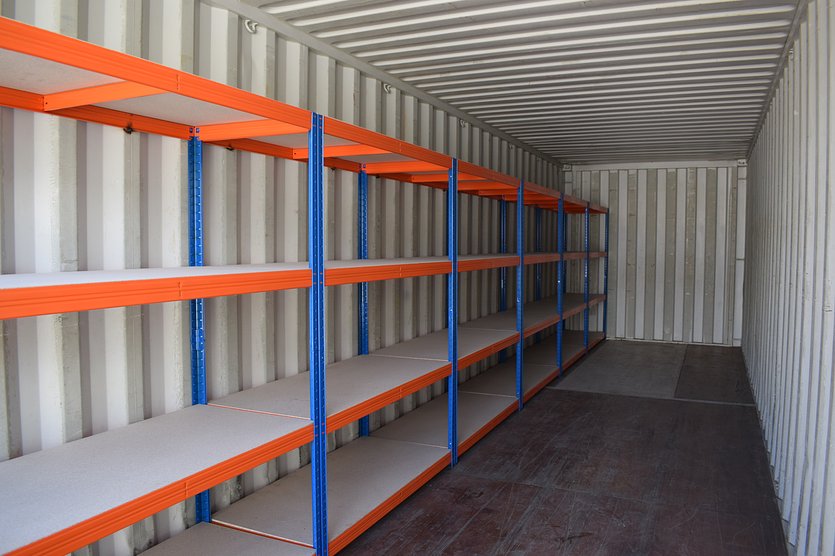
The 45-foot d container size is an important possession in the shipping and logistics market, offering increased volume capacity and performance for larger deliveries. While it may have some constraints in terms of accessibility and handling, the benefits typically outweigh the downsides, particularly for businesses dealing with bulky or high-volume items. By understanding the specs, benefits, and practical applications of the 45-foot container, business can make informed choices to enhance their shipping procedures and achieve cost savings and functional efficiency.
For those thinking about the usage of 45-foot containers, it is necessary to evaluate the particular needs of their cargo and speak with logistics experts to ensure the very best possible shipping service.
- 이전글9 Things Your Parents Teach You About Driving Licence Buy 25.08.19
- 다음글14 Smart Strategies To Spend Extra Overstock Sofa Sale Budget 25.08.19
댓글목록
등록된 댓글이 없습니다.

