15 Tips Your Boss Wished You Knew About 45' Containers
페이지 정보

본문
Understanding the 45' Container: A Comprehensive Guide
In the vast and complex world of international shipping and logistics, containers play a critical role in ensuring items are transported efficiently, securely, and cost-effectively. Amongst the numerous sizes and types of containers available, the 45-foot container (45' container) is a notable choice for lots of organizations. This article explores the specifics of the 45' container, exploring its dimensions, uses, advantages, and often asked concerns to supply a comprehensive understanding of this vital 45ft shipping containers tool.
What is a 45' Container?
A 45-foot container is a standardized shipping container that determines 45 feet in length, making it longer than the more typical 40-foot and 20-foot containers. It is primarily utilized for transferring bulk products and is particularly popular in the maritime shipping industry. The 45' container is designed to take full advantage of cargo area while preserving the structural stability and security standards needed for global transportation.
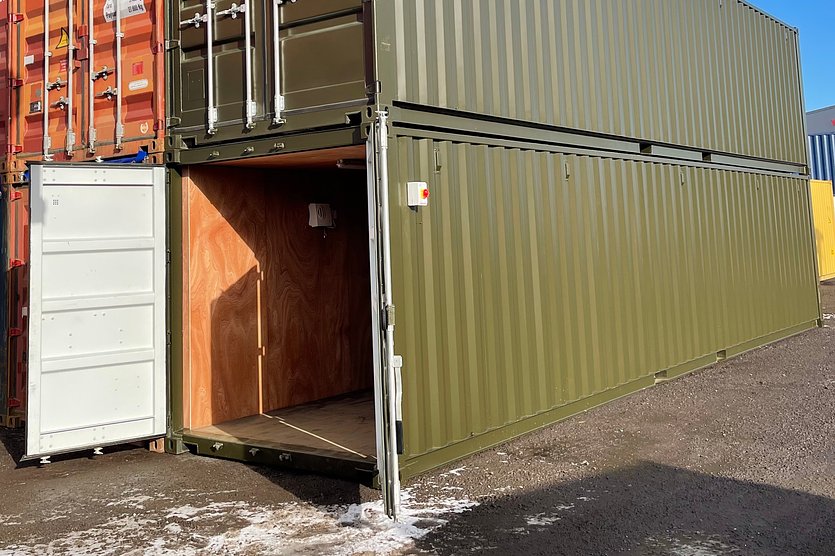
Dimensions of a 45' Container
- Length: 45 feet (13.716 meters)
- Width: 8 feet (2.438 meters)
- Height: 9 feet 6 inches (2.9 meters) for standard height containers, and 9 feet 6 inches to 10 feet 6 inches (3.2 meters) for high cube containers
- Internal Volume: Approximately 3,460 cubic feet (98 cubic meters) for standard height containers and 3,660 cubic feet (104 cubic meters) for high cube containers
- Maximum Gross Weight: Up to 67,200 pounds (30,480 kilograms)
Types of 45' Containers
Standard 45' Container:
- The basic 45' container is the most common type and is utilized for a vast array of goods. It has a normal height of 8 feet 6 inches and is suitable for most cargo that does not require unique handling or conditions.
High Cube 45' Container:
- The high cube 45' container is somewhat taller, measuring 9 feet 6 inches to 10 feet 6 inches in height. This additional height offers extra vertical space, making it perfect for large or high products.
Refrigerated 45' Container:
- Refrigerated containers, likewise known as reefer containers, are equipped with temperature level control systems. They are used for carrying disposable goods such as fruits, veggies, pharmaceuticals, and frozen products.
Open Top 45' Container:
- Open top containers have a detachable roofing system, permitting for the loading and unloading of extra-large or heavy cargo that can not fit through the basic door. These containers are typically used for machinery, building materials, and other big items.
Flat Rack 45' Container:
- Flat rack Large-scale 45ft containers are open on the sides and can be configured with or without end walls. They are created for carrying oversized and heavy cargo that needs direct access from numerous sides, such as automobiles, boats, and heavy equipment.
Benefits of Using a 45' Container
Increased Cargo Capacity:
- The 45' container uses more area compared to a 40' container, making it perfect for businesses that need to transfer large volumes of goods. This can decrease the number of containers needed, causing cost savings.
Cost Efficiency:
- Despite being longer, the 45' container often provides a lower cost per cubic foot of cargo space. This makes it an economical option for shipping bulk goods.
Flexibility:
- The 45' container is available in numerous types, consisting of high cube, refrigerated, open top, and flat rack, which permits it to accommodate a large range of cargo types and sizes.
Standardization:
- The 45' container follows worldwide shipping standards, which ensures it can be easily managed and transferred by standard container cranes, trucks, and railcars. This standardization helps with smoother logistics operations.
Durability and Safety:
- Like other standardized containers, the 45' container is built to hold up against the rigors of worldwide shipping. It is equipped with robust locking systems and is developed to protect cargo safely during transit.
Common Uses of 45' Containers
Bulk Goods:
- The increased capacity of the 45' container makes it best for carrying bulk goods such as raw materials, commodities, and large amounts of customer items.
Perishable Goods:
- Refrigerated 45' containers are used to carry temperature-sensitive items, ensuring they stay fresh and safe throughout the journey.
Extra-large and Heavy Cargo:
- Open top and flat rack 45' containers are perfect for transferring oversized and heavy items that can not fit into basic containers.
Retail and E-commerce:
- Retailers and e-commerce companies often use 45' containers to deliver large volumes of stock, reducing the variety of shipments required and enhancing logistics costs.
Industrial and Construction Materials:
- The 45' container is frequently utilized in the industrial and construction sectors to transport materials such as equipment, steel, and building equipment.
Regularly Asked Questions (FAQs)
Q: What is the distinction between a 40' and a 45' container?
- A 45' container is 5 feet longer than a 40' container, offering an extra 450 cubic feet of cargo area. This additional area can be useful for services that require to carry large volumes of goods.
Q: Are 45' containers more expensive than 40' containers?
- The cost of a 45' container can be a little higher than a 40' container due to its increased size. However, the cost per cubic foot of cargo space is typically lower, making it more cost-efficient for big deliveries.
Q: Can 45' containers be loaded onto basic trucks and railcars?
- Yes, 45' containers are developed to be compatible with standard container dealing with devices, including cranes, trucks, and railcars. However, some changes might be necessary to accommodate the longer length, such as using a drop deck trailer for road transport.
Q: Are 45' containers suitable for air freight?
- 45' containers are mostly created for maritime and ground transportation. For air freight, smaller sized and lighter containers are generally used to satisfy the weight and size limitations of aircraft.
Q: How do I determine if a 45' 45ft storage container is the ideal option for my company?
- To determine if a 45' container appropriates for your needs, consider the volume and type of cargo you are shipping. If you consistently deliver large volumes of products or require additional area for extra-large products, a 45' container may be the very best alternative. Speak with a logistics expert to assess your particular requirements and budget plan.
Q: Are there any special guidelines for shipping with 45' containers?

- While 45' containers comply with international shipping requirements, some ports and shipping paths may have particular regulations or limitations regarding their usage. It is essential to contact your shipping company and pertinent authorities to ensure compliance with all guidelines.
The 45' container is a flexible and efficient service for companies that need to carry big volumes of items. Its increased capacity, cost efficiency, and compatibility with basic shipping equipment make it an important possession in the logistics industry. Whether you are shipping bulk commodities, temperature-sensitive items, or oversized equipment, the 45' container uses a trustworthy and cost-efficient option. By comprehending the dimensions, types, and advantages of the 45' container, businesses can make educated decisions to optimize their shipping container 45ft operations and satisfy their logistical needs.
Additional Resources
- Shipping Container Dimensions Guide: A comprehensive guide to the dimensions and requirements of numerous container sizes.
- International Shipping Regulations: Information on the guidelines and requirements governing using shipping containers in global trade.
- Logistics and Supply Chain Management: Tips and best practices for handling logistics and supply chain operations efficiently.
By leveraging the abilities of the 45' container, companies can streamline their shipping procedures, lower costs, and ensure the safe and timely shipment of their items.
- 이전글The Leading Reasons Why People Achieve In The Private Adhd Assessment London Industry 25.04.15
- 다음글Have Counterfeit Money Printed Tips From The Best In The Business 25.04.15
댓글목록
등록된 댓글이 없습니다.

