What's The Job Market For Exercise Bike Home Professionals?
페이지 정보

본문
The Rise of the Home Exercise Bike: A Comprehensive Guide
In the ever-evolving landscape of home fitness, the exercise bike has actually become a versatile and reliable tool. As more individuals choose for the benefit of exercising in your home, the stationary bicycle has actually become a staple in lots of households, offering a low-impact, high-reward kind of cardiovascular exercise cycle for sale. This short article looks into the advantages of owning a home stationary bicycle, the different types available, and how to select the ideal one for your physical fitness goals.
The Benefits of Home Exercise Bikes
Convenience and Flexibility
One of the most substantial benefits of a home exercise bike home bike is its convenience. You can work out at any time, without the requirement to travel to a fitness center. This flexibility is particularly important for those with busy schedules, restricted movement, or a choice for private workouts.
Low-Impact Exercise
Stationary bicycle are extremely advised for individuals who require low-impact options. Unlike running or high-impact aerobics, cycling puts minimal tension on your joints, making it ideal for those with knee, hip, or back concerns.
Cardiovascular Health
Routine use of a stationary bicycle can considerably improve cardiovascular health. Biking increases heart rate, enhances lung function, and helps in handling blood pressure and cholesterol levels.
Weight Reduction and Muscle Toning
Biking is an outstanding method to burn calories and drop weight. Depending on the strength and period of your workout, you can burn between 400 to 1000 calories per hour. In addition, it helps in toning leg muscles, especially the quadriceps, hamstrings, and calves.
Mental Health
Exercise has actually been revealed to lower stress and enhance psychological health. The balanced and repetitive nature of biking can be meditative, helping to clear the mind and minimize stress and anxiety.
Types of exercise machine Bikes
Upright Bikes
Description: Upright bikes closely mimic the position of a conventional roadway bike. They are upright, with a slight forward lean, and appropriate for those who enjoy a more dynamic cycling experience.
Pros: Versatile, compact, and often more affordable than other types. They can likewise be utilized for interval training and strength-building exercises.
Cons: May not be as comfortable for long trips due to the upright position.
Recumbent Bikes
Description: Recumbent bikes include a backrest and a broader, more reclined seat. This design supplies better assistance for the back and is ideal for those with lower neck and back pain or other mobility problems.
Pros: Extremely comfortable, low-impact, and simple on the joints. They are likewise better for those who need to monitor their heart rate or blood pressure.
Cons: Generally bigger and more costly than upright bikes. They might not provide the exact same level of calorie burn as upright bikes.
Spin Bikes
Description: Spin bikes, also known as indoor biking bikes, are developed to simulate the experience of outside cycling. They are much heavier and more robust, often including a weighted flywheel for a more realistic riding feel.
Pros: High-intensity workouts, ideal for spinning classes, and outstanding for constructing leg strength and endurance.
Cons: Typically more expensive and need more space. They can also be more challenging to utilize for novices.
Smart Bikes
Description: Smart bikes are connected to the internet and use a variety of digital features, consisting of virtual classes, interactive workouts, and efficiency tracking.
Pros: Engaging and encouraging, with real-time feedback and a variety of workout choices. They can likewise incorporate with physical fitness apps and gadgets.
Cons: More pricey and may need a subscription for full functionality.
How to Choose the Right Exercise Bike
Determine Your Fitness Goals
Weight Loss: If your primary goal is to slim down, an upright or spin bike may be the best option due to their greater calorie burn potential.
Rehabilitation: For those recuperating from injuries or handling chronic pain, a recumbent bike is a more secure and more comfy option.
Virtual Workouts: If you enjoy interactive and assisted exercises, a clever bike with connection functions would be ideal.
Consider Your Space
Upright and Recumbent Bikes: These are normally more compact and can fit into smaller areas.
Spin Bikes: Spin bikes need more space due to their bigger size and the vibrant movements involved.
Smart Bikes: Ensure you have sufficient space for the bike and any extra equipment, such as a tablet or monitor.
Budget
Entry-Level Bikes: Upright and recumbent bikes are typically more inexpensive and can be found for under $300.
Mid-Range Bikes: Spin bikes and some clever bikes fall into this classification, ranging from $300 to $1000.
High-End Bikes: Premium wise bikes, such as those utilized in Peloton or Zwift, can cost over $1000 and typically included extra functions and services.
Convenience and Safety
Adjustability: Look for a bike with adjustable seat, handlebars, and resistance to guarantee a comfortable and customized fit.
** Stability **: Ensure the bike is steady and sound to prevent mishaps during workouts.
Alleviate of Use: Consider the bike's interface, specifically if you are a beginner or choose basic, straightforward equipment.
Setting Up Your Home great exercise bikes Bike
Select the Right Location
Flat Surface: Place the bike on a flat, stable surface area to make sure safety and stability.
Ventilation: Ensure the room is well-ventilated to avoid overheating and pain.
Adequate Space: Allow enough space around the bike for movement and to avoid barriers.
Assembly and Setup
Instructions: Follow the producer's assembly guidelines thoroughly.
Tighten Bolts: Regularly check and tighten up all bolts and screws to keep the bike's integrity.
Modifications: Adjust the seat and handlebars to fit your body and guarantee a comfy riding position.
Maintenance
Lubrication: Lubricate moving parts, such as the chain and pedals, to keep the bike running smoothly.
Cleaning: Wipe down the bike after each usage to eliminate sweat and ensure longevity.
Look for Wear: Periodically inspect the bike for indications of wear and replace parts as required.
Frequently asked questions
Q: Are home stationary bicycle as efficient as gym equipment?
A: Yes, home stationary bicycle can be simply as efficient as gym equipment. The key is to preserve consistency in your workouts and set practical goals. Lots of home bikes feature features that can duplicate the strength and range of fitness center workouts.
Q: How frequently should I utilize an exercise bike?
A: For ideal results, goal to utilize the exercise bike a minimum of 3-4 times a week for 30-60 minutes per session. However, even shorter, more regular sessions can be helpful, specifically for beginners.
Q: Can I use an exercise bike if I have knee issues?
A: Yes, exercise bikes are a low-impact type of exercise, making them ideal for people with knee problems. Recumbent bikes, in specific, provide excellent support and reduce joint stress.
Q: How do I remain motivated while using a home exercise bike?
A: Set specific objectives, differ your exercises, and consider using a smart bike with interactive functions. Joining online cycling neighborhoods or virtual classes can likewise supply motivation and responsibility.
Q: Are smart bikes worth the financial investment?
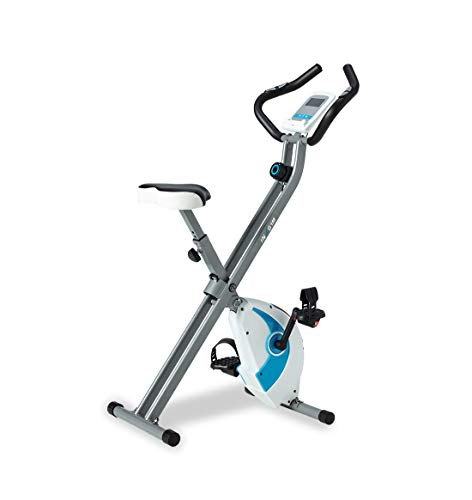 A: If you delight in innovation and interactive workouts, wise bikes can be a rewarding investment. They provide a more appealing and motivating experience, but they come at a greater expense. Consider your budget plan and physical fitness objectives before making a decision.
Conclusion
The home stationary bicycle is a versatile and effective tool that can assist you accomplish a large range of fitness objectives. Whether you're wanting to lose weight, improve your cardiovascular health, or just delight in a low-impact exercise, there's a stationary bicycle that's right for you. By considering your physical fitness objectives, area restraints, and budget, you can pick the best bike to enhance your home fitness routine. With appropriate setup and upkeep, your exercise bike will be an important addition to your health and health journey.
Additional Tips for a Successful Home Workout Routine
Set a Schedule: Consistency is essential. Set a regular exercise schedule and stay with it.
Stay Hydrated: Keep a water bottle nearby to stay hydrated throughout your exercises.
Track Your Progress: Use a fitness app or a notebook to track your progress and stay encouraged.
Warm Up and Cool Down: Always begin with a warm-up and finish with a cool-down to avoid injuries and help recovery.
Mix It Up: Vary your workouts to keep things intriguing and challenge different muscle groups.
By following these ideas and selecting the best stationary bicycle, you can develop a rewarding and effective home workout regimen that fits your lifestyle and fitness objectives.
In the ever-evolving landscape of home fitness, the exercise bike has actually become a versatile and reliable tool. As more individuals choose for the benefit of exercising in your home, the stationary bicycle has actually become a staple in lots of households, offering a low-impact, high-reward kind of cardiovascular exercise cycle for sale. This short article looks into the advantages of owning a home stationary bicycle, the different types available, and how to select the ideal one for your physical fitness goals.
The Benefits of Home Exercise Bikes
Convenience and Flexibility
One of the most substantial benefits of a home exercise bike home bike is its convenience. You can work out at any time, without the requirement to travel to a fitness center. This flexibility is particularly important for those with busy schedules, restricted movement, or a choice for private workouts.
Low-Impact Exercise
Stationary bicycle are extremely advised for individuals who require low-impact options. Unlike running or high-impact aerobics, cycling puts minimal tension on your joints, making it ideal for those with knee, hip, or back concerns.
Cardiovascular Health
Routine use of a stationary bicycle can considerably improve cardiovascular health. Biking increases heart rate, enhances lung function, and helps in handling blood pressure and cholesterol levels.
Weight Reduction and Muscle Toning
Biking is an outstanding method to burn calories and drop weight. Depending on the strength and period of your workout, you can burn between 400 to 1000 calories per hour. In addition, it helps in toning leg muscles, especially the quadriceps, hamstrings, and calves.
Mental Health
Exercise has actually been revealed to lower stress and enhance psychological health. The balanced and repetitive nature of biking can be meditative, helping to clear the mind and minimize stress and anxiety.
Types of exercise machine Bikes
Upright Bikes
Description: Upright bikes closely mimic the position of a conventional roadway bike. They are upright, with a slight forward lean, and appropriate for those who enjoy a more dynamic cycling experience.
Pros: Versatile, compact, and often more affordable than other types. They can likewise be utilized for interval training and strength-building exercises.
Cons: May not be as comfortable for long trips due to the upright position.
Recumbent Bikes
Description: Recumbent bikes include a backrest and a broader, more reclined seat. This design supplies better assistance for the back and is ideal for those with lower neck and back pain or other mobility problems.
Pros: Extremely comfortable, low-impact, and simple on the joints. They are likewise better for those who need to monitor their heart rate or blood pressure.
Cons: Generally bigger and more costly than upright bikes. They might not provide the exact same level of calorie burn as upright bikes.
Spin Bikes
Description: Spin bikes, also known as indoor biking bikes, are developed to simulate the experience of outside cycling. They are much heavier and more robust, often including a weighted flywheel for a more realistic riding feel.
Pros: High-intensity workouts, ideal for spinning classes, and outstanding for constructing leg strength and endurance.
Cons: Typically more expensive and need more space. They can also be more challenging to utilize for novices.
Smart Bikes
Description: Smart bikes are connected to the internet and use a variety of digital features, consisting of virtual classes, interactive workouts, and efficiency tracking.
Pros: Engaging and encouraging, with real-time feedback and a variety of workout choices. They can likewise incorporate with physical fitness apps and gadgets.
Cons: More pricey and may need a subscription for full functionality.
How to Choose the Right Exercise Bike
Determine Your Fitness Goals
Weight Loss: If your primary goal is to slim down, an upright or spin bike may be the best option due to their greater calorie burn potential.
Rehabilitation: For those recuperating from injuries or handling chronic pain, a recumbent bike is a more secure and more comfy option.
Virtual Workouts: If you enjoy interactive and assisted exercises, a clever bike with connection functions would be ideal.
Consider Your Space
Upright and Recumbent Bikes: These are normally more compact and can fit into smaller areas.
Spin Bikes: Spin bikes need more space due to their bigger size and the vibrant movements involved.
Smart Bikes: Ensure you have sufficient space for the bike and any extra equipment, such as a tablet or monitor.
Budget
Entry-Level Bikes: Upright and recumbent bikes are typically more inexpensive and can be found for under $300.
Mid-Range Bikes: Spin bikes and some clever bikes fall into this classification, ranging from $300 to $1000.
High-End Bikes: Premium wise bikes, such as those utilized in Peloton or Zwift, can cost over $1000 and typically included extra functions and services.
Convenience and Safety
Adjustability: Look for a bike with adjustable seat, handlebars, and resistance to guarantee a comfortable and customized fit.
** Stability **: Ensure the bike is steady and sound to prevent mishaps during workouts.
Alleviate of Use: Consider the bike's interface, specifically if you are a beginner or choose basic, straightforward equipment.
Setting Up Your Home great exercise bikes Bike
Select the Right Location
Flat Surface: Place the bike on a flat, stable surface area to make sure safety and stability.
Ventilation: Ensure the room is well-ventilated to avoid overheating and pain.
Adequate Space: Allow enough space around the bike for movement and to avoid barriers.
Assembly and Setup
Instructions: Follow the producer's assembly guidelines thoroughly.
Tighten Bolts: Regularly check and tighten up all bolts and screws to keep the bike's integrity.
Modifications: Adjust the seat and handlebars to fit your body and guarantee a comfy riding position.
Maintenance
Lubrication: Lubricate moving parts, such as the chain and pedals, to keep the bike running smoothly.
Cleaning: Wipe down the bike after each usage to eliminate sweat and ensure longevity.
Look for Wear: Periodically inspect the bike for indications of wear and replace parts as required.
Frequently asked questions
Q: Are home stationary bicycle as efficient as gym equipment?
A: Yes, home stationary bicycle can be simply as efficient as gym equipment. The key is to preserve consistency in your workouts and set practical goals. Lots of home bikes feature features that can duplicate the strength and range of fitness center workouts.
Q: How frequently should I utilize an exercise bike?
A: For ideal results, goal to utilize the exercise bike a minimum of 3-4 times a week for 30-60 minutes per session. However, even shorter, more regular sessions can be helpful, specifically for beginners.
Q: Can I use an exercise bike if I have knee issues?
A: Yes, exercise bikes are a low-impact type of exercise, making them ideal for people with knee problems. Recumbent bikes, in specific, provide excellent support and reduce joint stress.
Q: How do I remain motivated while using a home exercise bike?
A: Set specific objectives, differ your exercises, and consider using a smart bike with interactive functions. Joining online cycling neighborhoods or virtual classes can likewise supply motivation and responsibility.
Q: Are smart bikes worth the financial investment?
A: If you delight in innovation and interactive workouts, wise bikes can be a rewarding investment. They provide a more appealing and motivating experience, but they come at a greater expense. Consider your budget plan and physical fitness objectives before making a decision.Conclusion
The home stationary bicycle is a versatile and effective tool that can assist you accomplish a large range of fitness objectives. Whether you're wanting to lose weight, improve your cardiovascular health, or just delight in a low-impact exercise, there's a stationary bicycle that's right for you. By considering your physical fitness objectives, area restraints, and budget, you can pick the best bike to enhance your home fitness routine. With appropriate setup and upkeep, your exercise bike will be an important addition to your health and health journey.
Additional Tips for a Successful Home Workout Routine
Set a Schedule: Consistency is essential. Set a regular exercise schedule and stay with it.
Stay Hydrated: Keep a water bottle nearby to stay hydrated throughout your exercises.
Track Your Progress: Use a fitness app or a notebook to track your progress and stay encouraged.
Warm Up and Cool Down: Always begin with a warm-up and finish with a cool-down to avoid injuries and help recovery.
Mix It Up: Vary your workouts to keep things intriguing and challenge different muscle groups.
By following these ideas and selecting the best stationary bicycle, you can develop a rewarding and effective home workout regimen that fits your lifestyle and fitness objectives.
- 이전글11 Methods To Redesign Completely Your Lost Drivers License 25.04.01
- 다음글The 10 Most Terrifying Things About French Door Window Replacement 25.04.01
댓글목록
등록된 댓글이 없습니다.

