Why You Should Concentrate On Enhancing Robotic Vacuum Cleaner Best
페이지 정보

본문
What Makes a Robot Vacuum Cleaner Best?
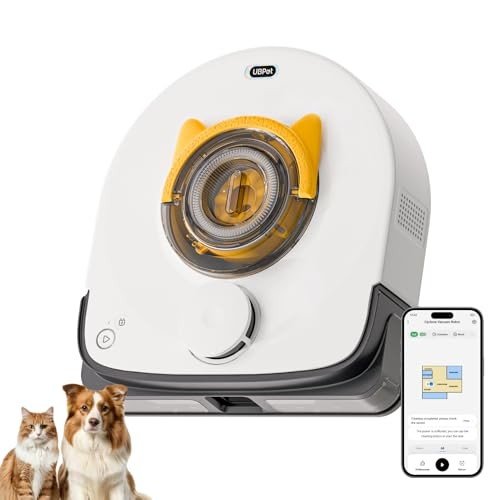 The best robot vacuums come with an engine that is powerful and a durable set of bristles or rollers. They also have large dustbins as well as a long battery life.
Certain models use smart mapping to create maps of homes. They can pause, recharge and pick up cleaning exactly where they stopped. They can also create no-go zones and recognize different surfaces.
Object Avoidance
Object detection is a crucial feature of robot vacuums, because it allows them avoid getting into small objects such as cords, toys, socks, or shoes that aren't on the floor, but on furniture. These systems use an integrated camera to identify objects in an AI database, and teach the vacuum to avoid them. The Eufy S1 Pro, for instance, makes use of a variety of sensors, including 3D Time of Flight (sending light pulses to measure the distance and depth of surrounding objects) and 3D Structured Light (beaming a pattern of light onto the room and then analyzing the distortion of light to create an image) to effectively steer away from obstacles.
A more recent addition to the obstacle avoidance arsenal is artificial intelligence and visual interpretation, which enables robots to more easily identify and understand what they're observing. The software works with one or two cameras to observe the world around them and analyzes it in real time. This software is used by ECOVACS DEEBOT to detect up 30 different objects, which includes shoes and cables.
Certain models employ LiDAR to navigate. This technology emits lasers, and determines the amount of time it takes to bounce off surfaces to create a 3-D map. This is able to detect walls, furniture and even stairs. It might not work in low light or with reflective or transparent objects.
No matter what sensors or cameras are being used regardless of the camera or sensor, a long battery life is essential to ensure that your cheap robot vacuum cleaner can complete the entire house without having to return to its dock to recharge. Choose a model with an endurance of at least 80 minutes or more, depending on the dimensions and layout of your home.
Bases that Self-Empty
Certain robot vacuum cleaners come with self-emptying bases. This could reduce the frequency at which you have to empty your trash. They're considered a premium feature that typically increases the overall price of the robot.
The best robots come with bases that can hold bins or a removable dustbin. It is possible to open it and empty it once it is full. This can save you time by decreasing the amount of time spent worrying about when to empty a dustbin.
All of the robots we tested have self vacuum near me-emptying bases, with the exception of the Roomba I3+. This is a shame because the robot performs extremely well. It had the best mapping results out of all the robots that we tested, and also has superior navigational capabilities. It has a good mowing ability and a docking system that can empty the water tank on its own when it is needed.
It doesn't have iRobot's advanced obstacle avoidance technology and digital keep-out zones, but it is prone to getting caught in cables and rugs and cannot see shoes or socks that are not in good order. It's a great option for a small home which is well-maintained.
Other strong points of the product include its aforementioned navigation technology, including bump sensors and drop sensors, as well as its ability to map out the entire house cleaning robot with cameras and a laser. It is easy to use, has many options and settings that are effective when mows or vacuuming. Its smart-home function allows it to be controlled with voice commands made using Amazon Alexa or Google Assistant. This makes it easier to use if you own multiple smartphones or tablets, and don't want to purchase the traditional remote.
App Controls
Some robots are Wi-Fi enabled that allow users to control them from your tablet or smartphone. This is particularly useful in large homes with multiple floors, in which you may need to walk down a staircase before the robot can get to the bottom of it. It also removes the need for a long cord, so you can move furniture without worrying about your robot getting caught in the cord or running out of energy during cleaning.
The app acts as a central control point to monitor and schedule tasks. The app lets you alter the cleaning mode, power and the water level of your robotic cleaner. This feature is especially useful in homes with multiple types of flooring, like tiles and carpet. You can assign the robot the right power and cleaning mode for each area.
Some models have cameras built-in that send live feeds to the app. These models are perfect for pet owners and people with small children who want to watch the robot while it works. Smart robots also use sensors to detect when they are near the edges of an area and return to their docking station. This stops them from sweeping over the area and ensures that they've cleaned all of the surfaces within your home.
Certain models can automatically empty the dustbin and even wash their mop heads and blow dry between cleaning sessions. This minimizes the frequency of manual maintenance and keeps the cleaner performing well for a longer duration. You can also pick a model with a longer battery lifespan, which will help you avoid the hassles of mid-cleaning recharge.
Sensors
A lot of robot vacuums are fitted with sensors that let them navigate through your home. They can work on carpets, area rugs and hard floors such as tiles and wood. They are not a replacement to a full-size canister or upright cleaner, but they provide excellent suction and a fantastic way to keep your floors clean in between deep cleanings.
Sensors allow the robot to navigate around your home by detecting obstacles and avoiding falling on steps. They also allow you to define physical and virtual "no-go" zones using the feature known as boundary strips or virtual walls (like the ones employed by eufy) to block the robot from entering specific areas of your home. Some robots have cliff sensors that alert you when your robot is about to fall into the edge of a cliff.
The type of navigation system the robot employs is contingent on your budget and home layout. Some of the most advanced robotic vacuums utilize LiDAR sensors to map and scan areas that ensure accurate navigation. These systems are costly, but they deliver the most effective results. Models that are budget-friendly with basic navigation bumps aren't as precise and may miss areas. They're great for avoiding big obstacles, but they could still miss dirt in crevices and around baseboards.
Pick a model that has a large dust bin and long battery life. There are also models that recharge and then resume where they left off when they dock to help save time. You can maximize the use of your robot vacuum, in addition to navigation, by making sure that you are prepared for each cleaning session. Make sure that all power cords or toys, as well as other debris is removed of the robot’s path and empty the bin after each clean. Clean the charging port and sensors to ensure that your robot is healthy.
Navigation
The most effective robot vacuums employ mapping technology to create a digital map of your home prior to the initial cleaning session. It allows them to recognize textures such as carpets or hard floors, and ensures that all areas are cleaned. Mapping also saves your robot from re-cleaning the same spots, which improves efficiency and can reduce the use of batteries. Many top models come with the option to save the map of your home for future use, which is great for larger homes.
The majority of robotic vacuums come with some form of obstacle avoidance that stops them from running into shoes, cords or socks. These sensors are not always able to detect small objects. A few years ago manufacturers began adding more sensors to their robots, allowing them to detect and avoid household objects that conventional sensors couldn't. These include cliff sensors as well as wall sensors that work by reflecting infrared beams of light off surfaces to calculate distances.
Some of these sensors are built into the robot's base, while others require you to purchase a separate attachment. These sensors assist the robot to move safely, avoid falling on stairs, and stay away from clutter. Some models even include anti-drop sensors that will stop the robot cleaner amazon from hitting furniture and walls.
LiDAR mapping, the most advanced navigation system available is a feature that you should consider when buying the robot vacuum. This kind of system makes use of an ejector-type laser that is mounted on the top of the robot in order to map your home. By bouncing infrared beams off of your walls and furniture it is able to determine the layout of your space. This helps in planning efficient routes and clear your entire house.
The best robot vacuums come with an engine that is powerful and a durable set of bristles or rollers. They also have large dustbins as well as a long battery life.Certain models use smart mapping to create maps of homes. They can pause, recharge and pick up cleaning exactly where they stopped. They can also create no-go zones and recognize different surfaces.
Object Avoidance
Object detection is a crucial feature of robot vacuums, because it allows them avoid getting into small objects such as cords, toys, socks, or shoes that aren't on the floor, but on furniture. These systems use an integrated camera to identify objects in an AI database, and teach the vacuum to avoid them. The Eufy S1 Pro, for instance, makes use of a variety of sensors, including 3D Time of Flight (sending light pulses to measure the distance and depth of surrounding objects) and 3D Structured Light (beaming a pattern of light onto the room and then analyzing the distortion of light to create an image) to effectively steer away from obstacles.
A more recent addition to the obstacle avoidance arsenal is artificial intelligence and visual interpretation, which enables robots to more easily identify and understand what they're observing. The software works with one or two cameras to observe the world around them and analyzes it in real time. This software is used by ECOVACS DEEBOT to detect up 30 different objects, which includes shoes and cables.
Certain models employ LiDAR to navigate. This technology emits lasers, and determines the amount of time it takes to bounce off surfaces to create a 3-D map. This is able to detect walls, furniture and even stairs. It might not work in low light or with reflective or transparent objects.
No matter what sensors or cameras are being used regardless of the camera or sensor, a long battery life is essential to ensure that your cheap robot vacuum cleaner can complete the entire house without having to return to its dock to recharge. Choose a model with an endurance of at least 80 minutes or more, depending on the dimensions and layout of your home.
Bases that Self-Empty
Certain robot vacuum cleaners come with self-emptying bases. This could reduce the frequency at which you have to empty your trash. They're considered a premium feature that typically increases the overall price of the robot.
The best robots come with bases that can hold bins or a removable dustbin. It is possible to open it and empty it once it is full. This can save you time by decreasing the amount of time spent worrying about when to empty a dustbin.
All of the robots we tested have self vacuum near me-emptying bases, with the exception of the Roomba I3+. This is a shame because the robot performs extremely well. It had the best mapping results out of all the robots that we tested, and also has superior navigational capabilities. It has a good mowing ability and a docking system that can empty the water tank on its own when it is needed.
It doesn't have iRobot's advanced obstacle avoidance technology and digital keep-out zones, but it is prone to getting caught in cables and rugs and cannot see shoes or socks that are not in good order. It's a great option for a small home which is well-maintained.
Other strong points of the product include its aforementioned navigation technology, including bump sensors and drop sensors, as well as its ability to map out the entire house cleaning robot with cameras and a laser. It is easy to use, has many options and settings that are effective when mows or vacuuming. Its smart-home function allows it to be controlled with voice commands made using Amazon Alexa or Google Assistant. This makes it easier to use if you own multiple smartphones or tablets, and don't want to purchase the traditional remote.
App Controls
Some robots are Wi-Fi enabled that allow users to control them from your tablet or smartphone. This is particularly useful in large homes with multiple floors, in which you may need to walk down a staircase before the robot can get to the bottom of it. It also removes the need for a long cord, so you can move furniture without worrying about your robot getting caught in the cord or running out of energy during cleaning.
The app acts as a central control point to monitor and schedule tasks. The app lets you alter the cleaning mode, power and the water level of your robotic cleaner. This feature is especially useful in homes with multiple types of flooring, like tiles and carpet. You can assign the robot the right power and cleaning mode for each area.
Some models have cameras built-in that send live feeds to the app. These models are perfect for pet owners and people with small children who want to watch the robot while it works. Smart robots also use sensors to detect when they are near the edges of an area and return to their docking station. This stops them from sweeping over the area and ensures that they've cleaned all of the surfaces within your home.
Certain models can automatically empty the dustbin and even wash their mop heads and blow dry between cleaning sessions. This minimizes the frequency of manual maintenance and keeps the cleaner performing well for a longer duration. You can also pick a model with a longer battery lifespan, which will help you avoid the hassles of mid-cleaning recharge.
Sensors
A lot of robot vacuums are fitted with sensors that let them navigate through your home. They can work on carpets, area rugs and hard floors such as tiles and wood. They are not a replacement to a full-size canister or upright cleaner, but they provide excellent suction and a fantastic way to keep your floors clean in between deep cleanings.
Sensors allow the robot to navigate around your home by detecting obstacles and avoiding falling on steps. They also allow you to define physical and virtual "no-go" zones using the feature known as boundary strips or virtual walls (like the ones employed by eufy) to block the robot from entering specific areas of your home. Some robots have cliff sensors that alert you when your robot is about to fall into the edge of a cliff.
The type of navigation system the robot employs is contingent on your budget and home layout. Some of the most advanced robotic vacuums utilize LiDAR sensors to map and scan areas that ensure accurate navigation. These systems are costly, but they deliver the most effective results. Models that are budget-friendly with basic navigation bumps aren't as precise and may miss areas. They're great for avoiding big obstacles, but they could still miss dirt in crevices and around baseboards.
Pick a model that has a large dust bin and long battery life. There are also models that recharge and then resume where they left off when they dock to help save time. You can maximize the use of your robot vacuum, in addition to navigation, by making sure that you are prepared for each cleaning session. Make sure that all power cords or toys, as well as other debris is removed of the robot’s path and empty the bin after each clean. Clean the charging port and sensors to ensure that your robot is healthy.
Navigation
The most effective robot vacuums employ mapping technology to create a digital map of your home prior to the initial cleaning session. It allows them to recognize textures such as carpets or hard floors, and ensures that all areas are cleaned. Mapping also saves your robot from re-cleaning the same spots, which improves efficiency and can reduce the use of batteries. Many top models come with the option to save the map of your home for future use, which is great for larger homes.
The majority of robotic vacuums come with some form of obstacle avoidance that stops them from running into shoes, cords or socks. These sensors are not always able to detect small objects. A few years ago manufacturers began adding more sensors to their robots, allowing them to detect and avoid household objects that conventional sensors couldn't. These include cliff sensors as well as wall sensors that work by reflecting infrared beams of light off surfaces to calculate distances.
Some of these sensors are built into the robot's base, while others require you to purchase a separate attachment. These sensors assist the robot to move safely, avoid falling on stairs, and stay away from clutter. Some models even include anti-drop sensors that will stop the robot cleaner amazon from hitting furniture and walls.
LiDAR mapping, the most advanced navigation system available is a feature that you should consider when buying the robot vacuum. This kind of system makes use of an ejector-type laser that is mounted on the top of the robot in order to map your home. By bouncing infrared beams off of your walls and furniture it is able to determine the layout of your space. This helps in planning efficient routes and clear your entire house.
- 이전글Nine Things That Your Parent Taught You About Link Login Gotogel 25.03.30
- 다음글Fascias Soffits And Guttering Tools To Ease Your Daily Life Fascias Soffits And Guttering Trick Every Person Should Be Able To 25.03.30
댓글목록
등록된 댓글이 없습니다.

