Buy European Driving License: What's No One Is Talking About
페이지 정보

본문
Navigating the Complexities of Buying a European Driving License: An Informative Guide
Intro
Acquiring a driving license in Europe can be an overwhelming task, specifically for non-Europeans. The process differs significantly from nation to nation, and the guidelines can be intricate. However, for many, getting a European driving license is a requirement, whether for travel, work, or long-lasting residency. This short article aims to offer a thorough guide to the process, using insights into the requirements, procedures, and frequently asked concerns (FAQs) associated with buying a European driving license. While the term "purchasing" a driving license may imply a straightforward deal, it's important to keep in mind that getting a license legally includes meeting specific criteria and passing required tests.
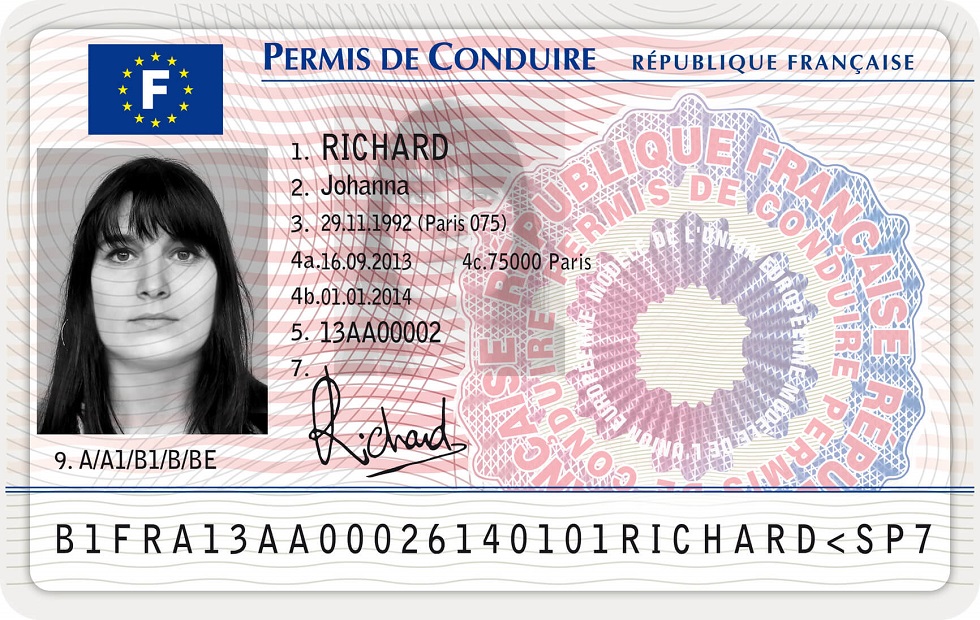
Understanding the European Driving License
Before diving into the process, it's important to understand what a European driving license is and its significance. The European Union (EU) has actually balanced driving license standards across member states, resulting in the introduction of the European Driving License. This license is recognized in all 27 EU nations and permits chauffeurs to operate lorries without additional requirements. Nevertheless, non-EU homeowners and tourists should browse different guidelines and treatments to obtain a legitimate European driving license.
Requirements for Non-EU Residents
For non-EU citizens, the procedure of getting a European driving license is more involved than for EU people. Here are the general requirements:
Residency Status: Most European nations require you to be a homeowner to make an application for a national driving license. This usually implies having a legitimate visa or house license. Momentary visitors are normally not qualified to get a local driving license.
International Driving Permit (IDP): If you are a traveler or a short-term visitor, an International Driving Permit (IDP) is often adequate. An IDP is a document that translates your existing driving license into numerous languages and is acknowledged in numerous European countries. It is necessary to examine the specific requirements of the nation you prepare to drive in.
Age and Experience: Each nation has its own age and experience requirements. For instance, in Germany, you need to be at least 18 years of ages to obtain a driving license, and in the United Kingdom, the minimum age is 17 for cars and 16 for motorbikes.
Medical Fitness: You may need to provide evidence of medical physical fitness, especially if you have any pre-existing conditions that could impact your capability to drive safely. This frequently involves a medical exam and a certificate from a doctor.
Language Proficiency: Some countries need you to show a certain level of proficiency in the local language, especially for the theory test. This can be a substantial barrier for non-native speakers, however language courses and practice tests are available to assist.
Steps to Obtain a European Driving License
The process of obtaining a European driving license can be broken down into several crucial steps:
Research and Documentation: Begin by looking into the particular requirements of the country you are in. Collect all required documents, including your passport, residency license, and existing driving license (if relevant).
Language Preparation: If the nation needs you to pass a theory test in the local language, invest time in finding out the language. Language courses, online resources, and practice tests can be important.
Theory Test: Most countries need you to pass a theory test, which assesses your understanding of traffic rules, road signs, and safe driving practices. The test is normally computer-based and can be challenging, so thorough preparation is essential.
Practical Driving Lessons: Enroll in driving lessons to prepare for the dry run. These lessons will cover the local driving guidelines and help you become familiar with the roadways and traffic conditions.
Practical Test: Once you feel great, schedule and pass the practical driving test. This test examines your ability to drive safely and legally on the roadways. It generally consists of a driving portion and a maneuvering test.
License Issuance: If you pass both the theory and practical tests, you will be issued a European driving license. The process can take several weeks, and you might need to pay a cost for the license.
Country-Specific Procedures
While the basic procedure is similar throughout European nations, there are country-specific treatments and requirements to consider. Here are a few examples:
Germany: Non-EU residents should have a valid house license and pass both the theory and useful tests. The theory test is referred to as the "Theorieprüfung" and can be taken in numerous languages. The dry run, or "Fahrschule," includes a series of maneuvers and on-road driving.
United Kingdom: Non-EU homeowners can request a UK driving license if they hold a legitimate driving license from their home country and have a valid visa. The theory test is necessary and can be taken in English, Welsh, or other languages. The dry run includes a driving test and an eyesight test.
France: Non-EU locals must have a legitimate residence permit and pass the theory and practical tests. The theory test, called the "Code acheter un permis de conduire rapidement acheter un véritable permis de conduire français obtenir le permis de conduire français acheter un permis de conduire international conduire avec une carte de crédit (Jujuy blog entry) la path," is available in several languages, however the useful test is conducted in French.
Italy: Non-EU residents need to have a valid home license and pass both the theory and useful tests. The theory test, known as the "Prova teorica," is available in multiple languages, and the dry run, or "Prova pratica," involves a driving assessment and a steering test.
Spain: Non-EU locals can make an application for a Spanish driving license if they have a legitimate house authorization and pass the theory and dry runs. The theory test, known as the "Examen teórico," is offered in several languages, and the dry run, or "Examen práctico," includes a driving assessment and a steering test.
Regularly Asked Questions (FAQs)
Can I utilize my existing driving license in Europe?
- Yes, however only if you have an International Driving Permit (IDP). The IDP is valid for one year in many European countries. After that, you will require to get a regional driving license.
Is the European Driving License legitimate in all EU nations?
- Yes, the European Driving License is recognized in all 27 EU nations. However, some nations may have additional requirements or limitations, so it's essential to inspect the local regulations.
Do I require to retake the driving tests if I currently have a license from another country?
- It depends upon the country. Some nations allow you to convert your existing license to a European license without retaking the tests, while others need you to pass both the theory and dry runs.
How long does the procedure take?
- The procedure can take several weeks to several months, depending upon the nation and your preparation. It's essential to start early and be client.
Are there any alternatives to acquiring a European driving license?
- Some nations offer short-lived driving permits or mutual contracts with particular nations. Nevertheless, these are usually for short-term stays and may not be a viable long-lasting solution.
What is the cost of obtaining a European driving license?
- The cost differs by nation. It typically consists of fees for the theory test, useful test, and the license itself. Additionally, you may require to spend for driving lessons and a medical examination.
Tips for a Smooth Application Process
Start Early: The procedure can be prolonged, so it's essential to begin early. This provides you sufficient time to get ready for the tests and collect the essential documents.
Stay Informed: Keep up-to-date with the newest regulations and requirements. Changes can take place, and being informed can save you time and aggravation.
Practice: Regular practice is essential to passing the dry run. Consider taking extra driving lessons to improve your skills and confidence.
Language Courses: If the theory test remains in a language you are not proficient in, take a language course to improve your understanding. This will increase your chances of passing the test.
Look For Local Advice: Talk to regional residents or driving schools for recommendations and assistance. They can provide important insights and assist you navigate the procedure more smoothly.
Acquiring a European driving license is a considerable step for non-EU citizens and tourists. While the process can be complex and lengthy, it is essential for those who want to drive legally and securely in Europe. By comprehending the requirements, preparing thoroughly, and seeking regional advice, you can navigate the procedure with confidence. Keep in mind, the goal is to make sure roadway security and compliance with regional laws, so take the needed actions to satisfy these requirements. Safe travels and smooth driving!
Extra Resources
- European Commission Driving License Website: For up-to-date information on EU driving license policies.
- Regional Driving Schools: For useful driving lessons and test preparation.
- International Driving Permit (IDP) Providers: For acquiring an IDP if needed.
By following this guide, you can make the procedure of obtaining a European driving license as uncomplicated and hassle-free as possible.
- 이전글How Pick From Domain Names And Hosting 25.03.02
- 다음글Five Killer Quora Answers To Male Lovense 25.03.02
댓글목록
등록된 댓글이 없습니다.

