9 Lessons Your Parents Teach You About Composite Door Crack Repair
페이지 정보

본문
How to Repair a Composite Door Crack
composite door frame replacement doors are becoming increasingly popular due to their strength, durability, and insulation properties. But, as with all doors, they are susceptible to damage.
If you hear draughty creaking noises from your front door, it's likely because the weather seal is getting worn out. This is a simple fix.
Seal the Crack
composite door frame repair doors are a favorite among homeowners because of their durability and low maintenance feel as well as their modern look. However, just like all doors they are susceptible to certain problems that can arise over time. The good news is that a lot of these problems can be easily resolved without the need for costly repairs or replacements from a professional.
Often, cracks will form in the composite door because of physical damage or changes in humidity or temperature. Fortunately, these problems can be solved with repair kits for composite door crack repair doors as well as filler, provided the crack isn't severe.
Tea staining can also be a problem on composite doors. This can be caused by high levels of moisture or exposure to sunlight, as well as inadequate ventilation. In most instances, a thorough clean using a professional cleaner for composite doors such as Polytrol will remove the discoloration and restore the shine and appearance.
Then your composite door could begin to develop draughts with time due to gaps between the frame and door or gaskets and weather seals that have worn out. This is a fairly simple issue that can be fixed by removing old weather seals and gaskets and replacing them with silicone-based lubricant.
Due to the natural expansion and contracting of its uPVC component in response to temperature fluctuations the door you have chosen to install may also be prone to draughts. In the majority of cases, this will not cause any serious issues but you may find that the door becomes difficult to close or open as time passes. If this is the case you must check your hinges and see whether any have been damaged. If so you can adjust the screws.
You can also use wood spline or filler to repair large cracks on your composite door. It will have to be sanded down once the filler or spline has dried to ensure it is in line with the rest of the surface of your door and then stain or paint the area to match the surrounding colour of the panel.
Fill in the Crack
If you've noticed that your composite door cracking, there are many ways to fix the issue and prevent it from getting worse. One option is to apply wood filler. It dries hard and can be sanded away, leaving a smooth surface that isn't visible to the naked eye. Apply a small amount of the filler to the inside ridges and add more as required. Scrape off any excess filler off the surface. Then, let the filler to fully dry before moving on to the next step.
Applying a small amount epoxy adhesive directly to the crack is a different method to repair small cracks on your composite door. This glue expands when it dries, and fills the crack, forming a strong bond. This is a fast and easy option that's effective for small splits in the surface of your composite door.
Larger cracks may require the use of a more permanent solution such as inserting a wood spline inside the split. This will not only stop the crack, but it will also strengthen the entire door section.
The weather can have a major impact on the durability of your composite door, therefore it's crucial to check it on a regular basis and repair it immediately you spot them. If you're concerned about the state of your composite door, talk to a professional to find out more about how to maintain its condition and prevent damage in the future.
If your composite door is squeaking or creaking, it's likely that the hinges or locking mechanism are misaligned. Try tightening the screws to align them by loosening them, then putting longer screws in their place. This should stop the squeak and allow your composite door close and lock properly.
Another possible reason for squeaking or cracking is that the frame isn't tight for the door. This can occur when the door is put in for the first time, but it could be caused by variations in temperature and humidity over time. This can be resolved by extending the space of the frame using an shim.
Paint the Crack
It's not unusual for marks to appear on your front door or other doors around the house when you walk by them every day. Over time, scratches and dents will appear. However, with the right preparation and tools, you can easily repair these cracks and marks.
Before you begin to repair a cracked composite door it is essential to first clean the area. Use sugar soap or a similar cleaner to get rid of any dirt or grime that could be stuck on the surface of your composite door. This will make it much easier for the paint to adhere to the surface. It's also an excellent idea to eliminate any rough spots from the surface of your door by using some sandpaper. There's no need to go overboard, but you'll likely need a fine-grit sandpaper to smooth any areas that are uneven.
You can also apply an oil specifically made for UPVC and composite doors to prevent them from becoming stiff and difficult to open. You can find these kinds of lubricants in most hardware stores.
The next step is to fill the cracks with filler or putty. Use a filler that is the same color as the composite door or a slightly darker one to create shadows. Make sure you follow the directions on the packaging carefully. Once the filler is dry you can sand down the surface until it's flat.
Then, you'll be able to repaint the door in a colour that matches the original. It is best to apply two coats of paint, so that each coat can dry completely before applying the next. Depending on the type of paint you choose you may have to apply a primer before applying the new color as well. It's not necessary to use a primer, but it is advisable to do this in order to achieve the best possible paint job.
Refinish the Crack
Composite doors are made for water resistance, but long exposure to moisture can cause the doors to break or expand. To prevent this, clean the surface regularly and avoid putting things on it. You can apply an impervious sealant on the surface to keep it looking fresh. It's important to repair the door as soon as you notice that it's swollen. This will prevent the problem from getting worse and could save you money in the long term.
Composite door cracks can be caused by a variety of causes, such as the effects of climate change, expansion and contraction of the materials in the door or damage caused by fixtures or furniture. These issues are easily and inexpensively repaired and it's worth taking the time to correct them.
If you've got a tiny crack in your wall, composite door crack repair it is easy to cover the area and apply a thin layer of paint on the inside ridges. This will fill the gap and make it appear like the crack has never been there.
The larger cracks may be more difficult to repair. Instead of using wood putty you must use filler that can be sanded and suitable for the material of your door. Life Calk is a good quality product. Apply a small amount of filler to the crack and spread it using your putty knife. Once it's set, sand the crack to smooth its surface. This will ensure that you aren't in a position to see the crack when the door is closed.
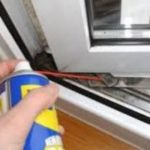 Be sure to raise the handle before closing the door. This will ensure that the latch is engaged, and increase support to prevent the door from bending. Make sure you clean the area surrounding the crack frequently to prevent grime and grit becoming trapped and impeding the repairs you're making. Follow these easy steps to restore your composite door frame repair door's former glory.
composite door frame replacement doors are becoming increasingly popular due to their strength, durability, and insulation properties. But, as with all doors, they are susceptible to damage.
If you hear draughty creaking noises from your front door, it's likely because the weather seal is getting worn out. This is a simple fix.
Seal the Crack
composite door frame repair doors are a favorite among homeowners because of their durability and low maintenance feel as well as their modern look. However, just like all doors they are susceptible to certain problems that can arise over time. The good news is that a lot of these problems can be easily resolved without the need for costly repairs or replacements from a professional.
Often, cracks will form in the composite door because of physical damage or changes in humidity or temperature. Fortunately, these problems can be solved with repair kits for composite door crack repair doors as well as filler, provided the crack isn't severe.
Tea staining can also be a problem on composite doors. This can be caused by high levels of moisture or exposure to sunlight, as well as inadequate ventilation. In most instances, a thorough clean using a professional cleaner for composite doors such as Polytrol will remove the discoloration and restore the shine and appearance.
Then your composite door could begin to develop draughts with time due to gaps between the frame and door or gaskets and weather seals that have worn out. This is a fairly simple issue that can be fixed by removing old weather seals and gaskets and replacing them with silicone-based lubricant.
Due to the natural expansion and contracting of its uPVC component in response to temperature fluctuations the door you have chosen to install may also be prone to draughts. In the majority of cases, this will not cause any serious issues but you may find that the door becomes difficult to close or open as time passes. If this is the case you must check your hinges and see whether any have been damaged. If so you can adjust the screws.
You can also use wood spline or filler to repair large cracks on your composite door. It will have to be sanded down once the filler or spline has dried to ensure it is in line with the rest of the surface of your door and then stain or paint the area to match the surrounding colour of the panel.
Fill in the Crack
If you've noticed that your composite door cracking, there are many ways to fix the issue and prevent it from getting worse. One option is to apply wood filler. It dries hard and can be sanded away, leaving a smooth surface that isn't visible to the naked eye. Apply a small amount of the filler to the inside ridges and add more as required. Scrape off any excess filler off the surface. Then, let the filler to fully dry before moving on to the next step.
Applying a small amount epoxy adhesive directly to the crack is a different method to repair small cracks on your composite door. This glue expands when it dries, and fills the crack, forming a strong bond. This is a fast and easy option that's effective for small splits in the surface of your composite door.
Larger cracks may require the use of a more permanent solution such as inserting a wood spline inside the split. This will not only stop the crack, but it will also strengthen the entire door section.
The weather can have a major impact on the durability of your composite door, therefore it's crucial to check it on a regular basis and repair it immediately you spot them. If you're concerned about the state of your composite door, talk to a professional to find out more about how to maintain its condition and prevent damage in the future.
If your composite door is squeaking or creaking, it's likely that the hinges or locking mechanism are misaligned. Try tightening the screws to align them by loosening them, then putting longer screws in their place. This should stop the squeak and allow your composite door close and lock properly.
Another possible reason for squeaking or cracking is that the frame isn't tight for the door. This can occur when the door is put in for the first time, but it could be caused by variations in temperature and humidity over time. This can be resolved by extending the space of the frame using an shim.
Paint the Crack
It's not unusual for marks to appear on your front door or other doors around the house when you walk by them every day. Over time, scratches and dents will appear. However, with the right preparation and tools, you can easily repair these cracks and marks.
Before you begin to repair a cracked composite door it is essential to first clean the area. Use sugar soap or a similar cleaner to get rid of any dirt or grime that could be stuck on the surface of your composite door. This will make it much easier for the paint to adhere to the surface. It's also an excellent idea to eliminate any rough spots from the surface of your door by using some sandpaper. There's no need to go overboard, but you'll likely need a fine-grit sandpaper to smooth any areas that are uneven.
You can also apply an oil specifically made for UPVC and composite doors to prevent them from becoming stiff and difficult to open. You can find these kinds of lubricants in most hardware stores.
The next step is to fill the cracks with filler or putty. Use a filler that is the same color as the composite door or a slightly darker one to create shadows. Make sure you follow the directions on the packaging carefully. Once the filler is dry you can sand down the surface until it's flat.
Then, you'll be able to repaint the door in a colour that matches the original. It is best to apply two coats of paint, so that each coat can dry completely before applying the next. Depending on the type of paint you choose you may have to apply a primer before applying the new color as well. It's not necessary to use a primer, but it is advisable to do this in order to achieve the best possible paint job.
Refinish the Crack
Composite doors are made for water resistance, but long exposure to moisture can cause the doors to break or expand. To prevent this, clean the surface regularly and avoid putting things on it. You can apply an impervious sealant on the surface to keep it looking fresh. It's important to repair the door as soon as you notice that it's swollen. This will prevent the problem from getting worse and could save you money in the long term.
Composite door cracks can be caused by a variety of causes, such as the effects of climate change, expansion and contraction of the materials in the door or damage caused by fixtures or furniture. These issues are easily and inexpensively repaired and it's worth taking the time to correct them.
If you've got a tiny crack in your wall, composite door crack repair it is easy to cover the area and apply a thin layer of paint on the inside ridges. This will fill the gap and make it appear like the crack has never been there.
The larger cracks may be more difficult to repair. Instead of using wood putty you must use filler that can be sanded and suitable for the material of your door. Life Calk is a good quality product. Apply a small amount of filler to the crack and spread it using your putty knife. Once it's set, sand the crack to smooth its surface. This will ensure that you aren't in a position to see the crack when the door is closed.
Be sure to raise the handle before closing the door. This will ensure that the latch is engaged, and increase support to prevent the door from bending. Make sure you clean the area surrounding the crack frequently to prevent grime and grit becoming trapped and impeding the repairs you're making. Follow these easy steps to restore your composite door frame repair door's former glory.- 이전글Five Killer Quora Answers To Male Lovense 25.03.02
- 다음글An In-Depth Look Into The Future What's In The Pipeline? Driving License Documents A1 Industry Look Like In 10 Years? 25.03.02
댓글목록
등록된 댓글이 없습니다.

