10 Things That Your Family Taught You About Electric Patio Heater Hang…
페이지 정보

본문
Electric Patio Heater Hanging Options
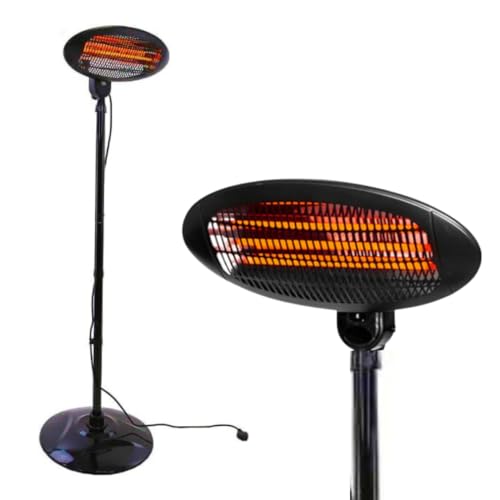 Unlike propane or natural gas patio heaters, electric heaters do not emit any pollution. Electric heaters are safe to use in small spaces like a covered patio, or gazebo.
However, the type of heater you pick will depend on the dimensions of your outdoor space as well as your climate. You'll need to decide on how to mount the heater.
Ceiling Mounting
When it comes to outdoor ceiling-mounted patio heaters, you have numerous options. They are typically rated to handle temperatures above 2,000 Fahrenheit, and many of them come with stylish designs that look like ceiling lights or chandeliers which is why they blend nicely with the overall style of the space. Gas models are powered by existing propane or natural gas lines. Electric models require an electrical outlet to function. Gas models heat an area more quickly than electric models however they require a continuous supply propane or natural gas.
The ideal height for the installation of these units is usually between 8 and 9 feet above the floor. This ensures that warmth is evenly distributed across the area and also keeps the heaters out of reach from those below them. The amount of heat they generate is measured in British thermal units (Btu), with higher numbers generating more Btu.
In addition to being secure and convenient, ceiling-mounted fixtures are typically less difficult to maintain and clean than those that are hung from or are affixed to walls or other surfaces. They don't need to be stored away when they're not being used, which is ideal for areas that have little storage space.
Another option that is popular is to put your heater into the ceiling. This gives the heater a contemporary minimalist look, and keeps it out of sight. It is less likely to be damaged or bumped. The only drawback to this is that you need the minimum amount of space in the ceiling that varies based on the model.
Wall mounting is an alternative to hang the heater from the ceiling, and is suitable for locations where it isn't possible to install a suspended heater. The models can be attached to the wall with brackets and are ideal for rooms with ceilings that are vaulted or with angled walls. Electric and gas models are available, and come in a variety designs and sizes that complement your patio or gazebo. Our heating experts can take a look at photos and plans of your area to help you determine the best size for your space, and the best mounting options for optimal heating.
Flush-Mounting
There are many options to integrate outdoor heating into your landscape, whether you're installing a patio or retrofitting one that already exists. We recommend pole-mounted heaters to heat large open spaces or areas that have plenty of floor space. However, wall-mounted heaters are equally effective and can be installed in a shorter time.
Flush mounting is another option that incorporates the heater into the ceiling. This type of installation is great for patios with enclosed areas or low ceilings, and can give a clean and minimalist look. A flush mount frame is easy to install and comes with many finishes that will match any style of interior design.
When you're choosing a flush-mount outdoor heater, take into consideration how much heat you'll need and where in the room it will be put. The more powerful models are ideal for large outdoor or indoor areas, and will generate the most heat. Smaller patio heaters are Best patio heater electric for smaller areas or central locations.
The most important feature of electric patio heaters is their capability to generate a significant amount of heat from an ultra-efficient source. While natural gas or propane heaters depend on fossil fuel electric patio heaters generate heat by using an infrared process that instantly warms objects and people without warming the air around them. This kind of heat is more environmentally friendly, more secure and cost-effective than traditional gas patio heating.
If you prefer a more modern and minimalist design, there are the options of recessed. garden patio heater electric heaters that are recessed into the ceiling will blend seamlessly into your surroundings. A patio heater that is recessed can also reduce the height of your ceiling, which can be an advantage for smaller spaces.
The only drawback to a outdoor heater recessed is that it requires a minimum of cavity space within the ceiling, which can vary based on the model. However, the majority of models are made with this in mind and come with an adjustable recess kit to allow for the perfect design.
A recessed patio heater can be used in confined spaces without emitting pollutants into the air. This is because it doesn't require venting. This is an important difference from propane and natural gas heaters, which aren't suitable for use in a closed space and may release carbon monoxide into the air.
Wall Mounting
In the case of spaces that aren't able to accommodate ceiling-mounted options due to the roof being vaulted or slanted, wall mounting is the ideal solution. With wall brackets that are available for all Bromic heating solutions, recess-mounted installations can be anchored to structures with the necessary support to ensure the safety of operation.
Suitable for a variety of outdoor environments, electric patio heaters can be placed against the wall to eliminate any obstructions and ensure optimal heat distribution. This is a great option for those with an area that is small and require to reduce space for tables or floors. These patio heaters can be operated by remote controls and come with several power levels. They can also be adjusted to the desired height.
While the placement of your patio heater is ultimately up to you but there are some guidelines you must follow to get the most out of it. It's important to not hang your patio heater too far up because the heat could cause burns. Additionally, if you place two or more patio heaters too close to each other, they won't in a position to provide a uniform distribution of heat.
You can also decide where you will place your electric heater based on the dimensions of your space and the amount of heat you need. For larger areas, a floor-standing model with more British Thermal Units (BTU) rating is an excellent choice to quickly and evenly warm your space. If you want a smaller and portable option, a tabletop pendant electric heater might be more suitable.
Another consideration is the method you'll use to power your electric heater. Some are powered by electricity, while others use natural gas or propane. Electric models are equipped with a power cable, while propane and natural gas models require a permanent connection to the gas supply. In both cases, ensure that your heater is equipped with a soft starter installed to lower the current at peak and prevent your fuse box from blowing.
Installation Options
A variety of factors should be considered when selecting an overhead or wall-mounted patio heater. It is important to consider the heating coverage, access to natural gas or electricity and aesthetic preferences. Bromic's vast selection of heaters gives options that can be adapted to suit any space while achieving the desired appearance and feel.
For example ceiling-mounted units attach to the joists of an outdoor area's roof and offer heat directly above without losing floor space. They also shield against wind, which could blast patio heaters. Electric-powered models use short wave infrared technology to effectively warm objects and people instead of air, making them more than 90 percent energy-efficient. You can dim them to alter the brightness and warmth.
The BTU rating of the patio heater is a crucial factor when choosing the size to suit your space. Higher ratings are capable of heating larger areas more quickly than lower ones. For optimal heating, choose a model with an output rating that is equal to or greater than the square footage of your space.
A popular alternative to overhead mounting is recessing a heater into the ceiling of a patio that is already in place or a new building. This option creates an elegant and minimalist design that is a perfect match for the surrounding architecture and doesn't block views. A recessed patio heater can be a great choice for restaurants and hotels.
Natural gas, propane electric garden patio heater patio heaters are a few of the most popular kinds. Natural gas heaters cost more to run than other kinds because they require a professional installation. They also need to be connected to a permanent line. Propane patio heaters are more portable and heat up quicker than other types of heaters. However they require a separate tank of propane.
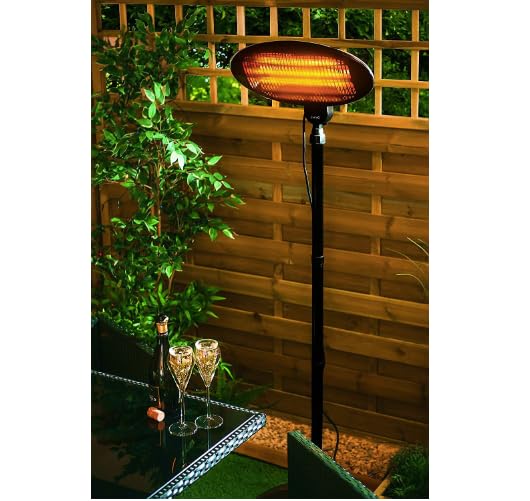 The main difference between the three types of patio heaters is their connection to a gas line that is permanent or electricity. Electric models plug into standard outlets. Choose which type of type of patio heater is best for you. Each has its own advantages and benefits.
Unlike propane or natural gas patio heaters, electric heaters do not emit any pollution. Electric heaters are safe to use in small spaces like a covered patio, or gazebo.However, the type of heater you pick will depend on the dimensions of your outdoor space as well as your climate. You'll need to decide on how to mount the heater.
Ceiling Mounting
When it comes to outdoor ceiling-mounted patio heaters, you have numerous options. They are typically rated to handle temperatures above 2,000 Fahrenheit, and many of them come with stylish designs that look like ceiling lights or chandeliers which is why they blend nicely with the overall style of the space. Gas models are powered by existing propane or natural gas lines. Electric models require an electrical outlet to function. Gas models heat an area more quickly than electric models however they require a continuous supply propane or natural gas.
The ideal height for the installation of these units is usually between 8 and 9 feet above the floor. This ensures that warmth is evenly distributed across the area and also keeps the heaters out of reach from those below them. The amount of heat they generate is measured in British thermal units (Btu), with higher numbers generating more Btu.
In addition to being secure and convenient, ceiling-mounted fixtures are typically less difficult to maintain and clean than those that are hung from or are affixed to walls or other surfaces. They don't need to be stored away when they're not being used, which is ideal for areas that have little storage space.
Another option that is popular is to put your heater into the ceiling. This gives the heater a contemporary minimalist look, and keeps it out of sight. It is less likely to be damaged or bumped. The only drawback to this is that you need the minimum amount of space in the ceiling that varies based on the model.
Wall mounting is an alternative to hang the heater from the ceiling, and is suitable for locations where it isn't possible to install a suspended heater. The models can be attached to the wall with brackets and are ideal for rooms with ceilings that are vaulted or with angled walls. Electric and gas models are available, and come in a variety designs and sizes that complement your patio or gazebo. Our heating experts can take a look at photos and plans of your area to help you determine the best size for your space, and the best mounting options for optimal heating.
Flush-Mounting
There are many options to integrate outdoor heating into your landscape, whether you're installing a patio or retrofitting one that already exists. We recommend pole-mounted heaters to heat large open spaces or areas that have plenty of floor space. However, wall-mounted heaters are equally effective and can be installed in a shorter time.
Flush mounting is another option that incorporates the heater into the ceiling. This type of installation is great for patios with enclosed areas or low ceilings, and can give a clean and minimalist look. A flush mount frame is easy to install and comes with many finishes that will match any style of interior design.
When you're choosing a flush-mount outdoor heater, take into consideration how much heat you'll need and where in the room it will be put. The more powerful models are ideal for large outdoor or indoor areas, and will generate the most heat. Smaller patio heaters are Best patio heater electric for smaller areas or central locations.
The most important feature of electric patio heaters is their capability to generate a significant amount of heat from an ultra-efficient source. While natural gas or propane heaters depend on fossil fuel electric patio heaters generate heat by using an infrared process that instantly warms objects and people without warming the air around them. This kind of heat is more environmentally friendly, more secure and cost-effective than traditional gas patio heating.
If you prefer a more modern and minimalist design, there are the options of recessed. garden patio heater electric heaters that are recessed into the ceiling will blend seamlessly into your surroundings. A patio heater that is recessed can also reduce the height of your ceiling, which can be an advantage for smaller spaces.
The only drawback to a outdoor heater recessed is that it requires a minimum of cavity space within the ceiling, which can vary based on the model. However, the majority of models are made with this in mind and come with an adjustable recess kit to allow for the perfect design.
A recessed patio heater can be used in confined spaces without emitting pollutants into the air. This is because it doesn't require venting. This is an important difference from propane and natural gas heaters, which aren't suitable for use in a closed space and may release carbon monoxide into the air.
Wall Mounting
In the case of spaces that aren't able to accommodate ceiling-mounted options due to the roof being vaulted or slanted, wall mounting is the ideal solution. With wall brackets that are available for all Bromic heating solutions, recess-mounted installations can be anchored to structures with the necessary support to ensure the safety of operation.
Suitable for a variety of outdoor environments, electric patio heaters can be placed against the wall to eliminate any obstructions and ensure optimal heat distribution. This is a great option for those with an area that is small and require to reduce space for tables or floors. These patio heaters can be operated by remote controls and come with several power levels. They can also be adjusted to the desired height.
While the placement of your patio heater is ultimately up to you but there are some guidelines you must follow to get the most out of it. It's important to not hang your patio heater too far up because the heat could cause burns. Additionally, if you place two or more patio heaters too close to each other, they won't in a position to provide a uniform distribution of heat.
You can also decide where you will place your electric heater based on the dimensions of your space and the amount of heat you need. For larger areas, a floor-standing model with more British Thermal Units (BTU) rating is an excellent choice to quickly and evenly warm your space. If you want a smaller and portable option, a tabletop pendant electric heater might be more suitable.
Another consideration is the method you'll use to power your electric heater. Some are powered by electricity, while others use natural gas or propane. Electric models are equipped with a power cable, while propane and natural gas models require a permanent connection to the gas supply. In both cases, ensure that your heater is equipped with a soft starter installed to lower the current at peak and prevent your fuse box from blowing.
Installation Options
A variety of factors should be considered when selecting an overhead or wall-mounted patio heater. It is important to consider the heating coverage, access to natural gas or electricity and aesthetic preferences. Bromic's vast selection of heaters gives options that can be adapted to suit any space while achieving the desired appearance and feel.
For example ceiling-mounted units attach to the joists of an outdoor area's roof and offer heat directly above without losing floor space. They also shield against wind, which could blast patio heaters. Electric-powered models use short wave infrared technology to effectively warm objects and people instead of air, making them more than 90 percent energy-efficient. You can dim them to alter the brightness and warmth.
The BTU rating of the patio heater is a crucial factor when choosing the size to suit your space. Higher ratings are capable of heating larger areas more quickly than lower ones. For optimal heating, choose a model with an output rating that is equal to or greater than the square footage of your space.
A popular alternative to overhead mounting is recessing a heater into the ceiling of a patio that is already in place or a new building. This option creates an elegant and minimalist design that is a perfect match for the surrounding architecture and doesn't block views. A recessed patio heater can be a great choice for restaurants and hotels.
Natural gas, propane electric garden patio heater patio heaters are a few of the most popular kinds. Natural gas heaters cost more to run than other kinds because they require a professional installation. They also need to be connected to a permanent line. Propane patio heaters are more portable and heat up quicker than other types of heaters. However they require a separate tank of propane.
The main difference between the three types of patio heaters is their connection to a gas line that is permanent or electricity. Electric models plug into standard outlets. Choose which type of type of patio heater is best for you. Each has its own advantages and benefits.- 이전글The Benefits Associated With Using Tools For Dieting And Fat Loss 24.12.29
- 다음글Street Speak: 台北會計師 24.12.29
댓글목록
등록된 댓글이 없습니다.

