The 10 Scariest Things About Robot Cleaner
페이지 정보

본문
 How to Prolong the Life of a Robot Cleaner
A robot cleaner can keep your home tidy a lot easier. Which robot cleaners do you depend on to do the job?
Certain models utilize mapping capabilities to remember how your floor plans look. This helps them to be more efficient to robots that do not have maps capabilities. Other features include carpet detection, which helps avoid wetting mopping pads.
1. AI-powered obstacle avoidance
A robot equipped with AI can detect obstacles automatically and adjust its movement to avoid them. It makes use of sensors and cameras to detect objects. Advanced algorithms are also employed to determine the best auto vacuum route for its movement. It can also learn from its environment and adapt its behavior as time passes.
Cleaning robots have become a sought-after consumer robotics item. They can do a variety of jobs, such as vacuuming, mopping and even cleaning windows. Certain models can serve as personal assistants to plan activities, control smart devices in the home, and also provide information on the weather. However, they are vulnerable to obstacles that hinder them from functioning properly. These issues are caused by dust or debris getting stuck in the nozzle, or by objects becoming entangled in brush. Fortunately, many robotic cleaners are now equipped with AI-powered obstacle avoidance technology to prevent these problems.
Ultrasonic cameras, camera, and light sensors are the most common types obstacle avoidance technology used in robot vacuum robot deals black friday, Read More In this article, cleaners. Ultrasonic sensors emit high-frequency sound waves that detect objects and other objects in the room. They can also be used to detect changes in height like the edges of stairs or carpets. This sensor is used by a few DEEBOT robots to increase suction when traversing staircases or other areas that are difficult to navigate.
Other robots employ a more sophisticated type of obstacle avoidance technology known as simultaneous localization and mapping (SLAM). These robots use laser distance sensors to create an in-real-time map of their surroundings. They also can recognize specific characteristics of obstacles, including their dimensions and shapes. Robot vacuums use technology called SLAM to navigate around furniture large obstacles and other objects.
AI-powered robots that clean can make decisions based upon data from sensors. They can also take actions. This process, referred to as machine learning, involves the use of computer algorithms to predict and learn from data. This information can be utilized to improve the performance of robots and their efficiency. When an AI-powered robot has identified an object it can send commands to its actuators like motors or servos to navigate around the object.
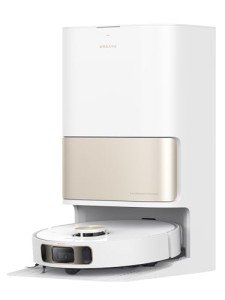
2. Self-emptying dust bin
Self-emptying robots are the perfect solution for busy people. These models automatically empty the collection bins within the docking station. This means that you don't have to manually empty the bins onboard in between cleaning sessions. This is a time-saving option that's perfect for those suffering from allergies. It also prevents dust particles from getting released back into the air upon emptying so that you do not have to worry about them triggering your symptoms again.
You'll need to examine the base of your robotic vacuum for obstructions and clean the filters if necessary. This can be done by lifting the lid of the bin before emptying it and then sifting through the contents to look for any obstructions. Some robots also have an "full bin" indicator that will flash on the screen to notify you that it's time for you to replace the bag.
Some models come with a larger storage container in their bases, which can store weeks or months worth of garbage, and you'll need to empty them on a much lesser frequency. This is especially useful when you live in a big house, or your space is difficult to access.
These bins are designed so that dirt and pet hair can be contained without it escaping into the air. This means that you will not get dust blowback when emptying a traditional robot vacuum. Based on the model you choose, you'll have to empty the container every 45 to 60 days.
The storage bins found on these robot cleaners are not just convenient, they can also help extend the life of the motor and brushes. They're typically made from plastic that's made to last and is resistant to damage. You'll usually see them in black or dark gray, which can help to conceal stains and smudges from your carpet, furniture, and other surfaces. The use of one of these models can also save you money in the long term, since you'll be less likely to need to replace your sweeper or vacuum frequently.
3. Room-specific cleaning
Robotic cleaners can understand your home's layout using the combination of sensors with mapping capabilities as well as intelligent algorithms. By creating a map of the space, robots can move furniture and other objects more precisely and efficiently. This is especially useful in multi-floored homes. Some robots have sensors on the walls that allow them to move through doors that are open and clean rooms.
The majority of modern robotic vacuums and mops come with the ability to map. However, every manufacturer applies this feature in a different method. LiDAR, vSLAM and various mapping technologies assist the robot vacuum sale to navigate around your home. Each room is divided into segments and then cleaned in straight lines.
These technologies can also identify specific areas in your home that require more attention, like under chairs and tables where dirt can accumulate. Additionally, some robotic vacuums and mopbots are equipped with acoustic impact sensors which notify them when they've impacted something like the chair's leg or any other object sufficiently to cause damage.
With this information, the robot can modify its behavior and begin cleaning the area prior to moving forward. It can also create an entirely new cleaning map with each run, and improve its route each time. The result is increased efficiency and a more complete cleaning of each room, and a comprehensive cleaning report within the app.
The roborock is a fantastic example of a premium robot with superior mapping abilities, an easy to use app, and a compact docking station. Its lidar navigation was swift and precise, correctly dividing rooms the first time I tried it. The suction on carpets was awe-inspiring. It also has a feature that allows you to manually trigger the cleaning mode simply by tapping in the app. This is great for spot-cleaning.
All data transfer between the robot and your phone is conducted over an encrypted and secure connection, and the app is able to provide regular updates to improve functionality. You can create multiple maps for your home, based on the number of floors and size. Each map can be set to a distinct timetable. Alternatively, you can use the app to set your robot to clean each floor of your house in one go.
4. Scheduled cleaning
Many robot cleaners can be capable of mopping and vacuuming multiple times per week to get rid of food crumbs and pet hair. The owners say that their homes are more clean and fresher. However, this kind of frequency can wear out batteries and wear out brushes and sensors more quickly. To extend the life of your robot vac, follow manufacturer guidelines on charging and emptying. Keep a bin of compressed air ready to clean dust off sensors, gears and the tiniest nooks of the base. Replace filters along with side brushes and rolls as suggested.
If you have one robot or a variety of models they can all be programmed with the smartphone app or via voice control using Alexa or Google Assistant. This connectivity also allows you to monitor the progress of cleaning in real time.
If you've mapped and zoned your floor space, you can select which rooms will be included in the scheduled clean and customize numerous settings to meet your requirements from mop intensities and water flow rate to vacuum power mode. You can also set "no-go zones" to stop the machine from moving through certain areas, such as hallways.
In addition to a basic program, most smart robots can be set up to clean in accordance with specific safety and health requirements. It is recommended to plan surfaces that are frequently touched to be cleaned every day during an outbreak of disease or to wash them immediately after contact with blood or other potentially dangerous substances.
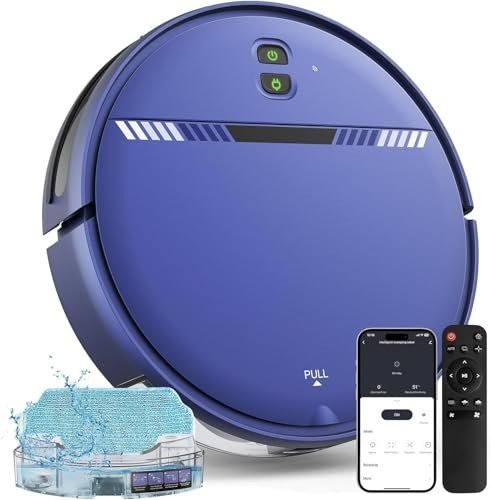 Like all electrical appliances, it's important to ensure that your robot is plugged into and placed on a level surface to avoid falling. It is also important to think about the best robot cleaner place for your robot as this will affect how it moves around the room as well as its ability to navigate. The ideal position for the robot is to be placed about 2 feet from objects to either side and 4 feet away from furniture (including tables and chairs) and steps. This will enable the robot to navigate a clear path without obstacles and will provide a more precise cleaning.
- 이전글World News Today Live Updates on November 21, 2024 : UK MPs to call Elon Musk to account for X’s impact on Southport riots 24.12.27
- 다음글To Start A Virtual Assistant Business Or Not 24.12.27
댓글목록
등록된 댓글이 없습니다.

