Five Killer Quora Answers On Chimineas Clay
페이지 정보

본문
Taking Care of a Clay Chiminea
Clay chimineas can add the appearance of a chiminea and also practicality to any outdoor space. However, just like any other outdoor or fire pit fireplace, a chiminea must be taken care of to ensure its beauty and functionality.
Once glazed the clay chimineas are resistant to rain, snow and sudden temperature changes. They do not come without risk and should be protected when not being used.
How they're constructed
Chimineas are a stunning and practical way to keep warm by the fire. They are made of clay, but they can also be made of metal or terracotta. The chimney directs smoke into the air and their bulbous form makes it easy to start a large fire. They are able to hold the heat extremely well and are ideal for keeping you warm all year. Clay chimineas can be more fragile than their metal counterparts and may crack or break due to sudden temperature fluctuations or physical damage. They should be handled with care and regular maintenance to stop this from happening.
Mexican clay chimineas remain an industry that is flourishing. Small factories still use the kilns of a variety of sizes to create the beautiful outdoor fire pits. These kilns are capable of holding 100 or more chimineas and are heated to temperatures of over 1000c. The clay will begin to harden after some days. Once this has been achieved, the clay is ready to use.
Before you use your new chiminea make sure it is dry. This will stop any water or moisture from getting into the Clay Chiminea large, causes cracks to form. It is also an excellent idea to purchase a cover for your chiminea to shield it from snow or rain that could cause damage to it. You should also be in the habit of not moving your chiminea frequently. Once you have found its permanent home in the garden it is advised not to move it again until you are absolutely required to do so as it will cause the clay to stretch and possibly crack over time.
It is recommended to start your chiminea off with smaller fires than larger ones. This will allow the clay to get used to the staggered heat and will prolong its lifespan. This is called "curing" or "seasoning" your chimenea. This should be done with all chimineas, whether they are made of clay, metal, or terracotta.
Function
A clay chiminea is much more than a pretty garden ornament, it also works as an element for heating. It is shaped like an enormous potbelly, with a wide mouth at the front, and a high chimney on the top to let smoke escape.
A chiminea might not be as big as an outdoor fireplace, and it won't heat the entire room. However it can provide an intimate space for people to unwind in while the fire is burning. They are usually used in gardens or patios as a central gathering place for families and friends to cook, socialize and relax.
Chimineas are available in different sizes and styles to fit the design and decor of any yard. They are typically made from natural materials such as clay, cast aluminum chiminea iron, or terracotta and may have metal parts that are coated to prevent corrosion. There are some newer models made of metals like aluminum that heat faster and can be painted to match the decor of your home or landscape.
Clay and terracotta chimineas tend to be less durable than metal ones, and they can break or crack if the temperature inside is too high, or if they're not placed on a solid foundation that keeps it off the ground. Clay and terracotta are more flammable than metal, and shouldn't be used in areas where pets, children or other people are walking or playing.
Most chimineas come with an empty base, where the fuel can be placed before lighting. Add an additional layer of gravel or sand to the base of the chiminea to protect it from the extreme heat produced by the burning of wood. It is recommended also to build the first chiminea fire using small pieces of paper to prevent cracking clay.
The unique design lets smoke exit through the chimney at the top, keeping flames and ash away from people sitting nearby. This makes chimineas more effective than traditional fire pits when conditions are windy because the chimney and bowl assist in controlling the flow of the smoke.
Maintenance
Chiminesas are a wonderful addition to any backyard. Not only are they beautiful artworks in their own right however, the flickering flames are fascinating and create a cozy atmosphere that is perfect for family dinners, entertaining friends or just relaxing by the flames on a summer evening. Like any outdoor fireplace or fire pit, chimineas require a little maintenance to ensure they remain safe and efficient.
If you own an chiminea made of clay, it is important to clean it regularly to prevent cracking. In the beginning, you'll be required to clean any ash and debris from the inside of the chiminea. To break up the dust and ash clumps you can use a wire-bristled brush or scraper. The next step is to clean the exterior of the chimney using a cloth or paper towel and a mild cleaner, such as white vinegar that has been distilled. This will remove any built-up soot and prevent the biggest chiminea from becoming too sticky or oily.
It is also recommended to line your the chiminea using sand or lava rock to avoid it burning out. After you have removed the remains of the chiminea's ashes, you must let it cure before attempting to use it again. This could take between four and eight small fires.
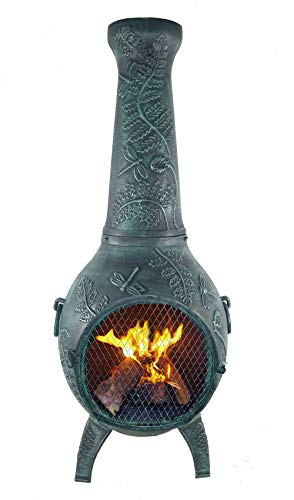 It's important that you heat up your chiminea outdoor slowly prior lighting a fire. This will prevent the clay from cracking when heated to high temperatures. To do this, place a few inches of sand into the bottom and create an open flame using small pieces of kindling. Once the fire is out then let the sand cool before building an even larger fire. Keep going, gradually increasing the size of the fire each time until you have a good hot fire going.
It's better to repair your chiminea on your own if it cracks than to contact an expert. It is important that the crack on the chiminea made of clay is not large enough to be considered a broken piece. It is also important to ensure that the crack does not contain any paint, as this can fall off when heated.
Safety
You must treat your clay Chimineas clay with care. They can be fragile if not treated properly and may need to be sealed on occasion. They should also be put on fire-safe surfaces to prevent damage. They should not be placed close to patio roofs, eaves or any other type of covering that might catch fire. They should be placed in an area free of any trees or plants that are overhanging. It is important to check the weather forecast before lighting the chimenea. The clay could break or crack when exposed to extreme temperatures.
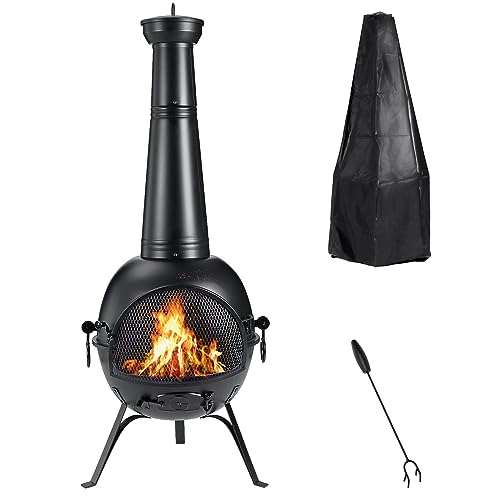 Chimineas come in a variety of styles and shapes, although the traditional one is constructed as a potbelly stove with a narrow chimney and a large mouth at the front. The design permits the flames to burn safely even in the rain and without water igniting the flames. These are the perfect choice for patio heating and outdoor entertaining.
Metal chimineas are more durable than clay models, but their surfaces can become extremely hot. They are also not as safe to touch as clay or terra cotta models.
LB's offers a number of different options when it comes to clay chimineas. Some are made from traditional clay, while others are more contemporary and can be used in any kind of landscaping. They're available in sizes that are able to accommodate large or small wood-burning fires. Some models can also be used for cooking.
If you purchase a clay chiminea choose the location it will be in immediately - it is not something you would want to move around a lot. When not in use, it is recommended that you purchase a cover. This will shield it from rain and constant exposure to moisture that could cause cracks or erosion in the clay over time.
Remember that adding water to a chiminea will cause it to crack. Only use sand or other dry materials to put out the flame in the event that it dies.
Clay chimineas can add the appearance of a chiminea and also practicality to any outdoor space. However, just like any other outdoor or fire pit fireplace, a chiminea must be taken care of to ensure its beauty and functionality.
Once glazed the clay chimineas are resistant to rain, snow and sudden temperature changes. They do not come without risk and should be protected when not being used.
How they're constructed
Chimineas are a stunning and practical way to keep warm by the fire. They are made of clay, but they can also be made of metal or terracotta. The chimney directs smoke into the air and their bulbous form makes it easy to start a large fire. They are able to hold the heat extremely well and are ideal for keeping you warm all year. Clay chimineas can be more fragile than their metal counterparts and may crack or break due to sudden temperature fluctuations or physical damage. They should be handled with care and regular maintenance to stop this from happening.
Mexican clay chimineas remain an industry that is flourishing. Small factories still use the kilns of a variety of sizes to create the beautiful outdoor fire pits. These kilns are capable of holding 100 or more chimineas and are heated to temperatures of over 1000c. The clay will begin to harden after some days. Once this has been achieved, the clay is ready to use.
Before you use your new chiminea make sure it is dry. This will stop any water or moisture from getting into the Clay Chiminea large, causes cracks to form. It is also an excellent idea to purchase a cover for your chiminea to shield it from snow or rain that could cause damage to it. You should also be in the habit of not moving your chiminea frequently. Once you have found its permanent home in the garden it is advised not to move it again until you are absolutely required to do so as it will cause the clay to stretch and possibly crack over time.
It is recommended to start your chiminea off with smaller fires than larger ones. This will allow the clay to get used to the staggered heat and will prolong its lifespan. This is called "curing" or "seasoning" your chimenea. This should be done with all chimineas, whether they are made of clay, metal, or terracotta.
Function
A clay chiminea is much more than a pretty garden ornament, it also works as an element for heating. It is shaped like an enormous potbelly, with a wide mouth at the front, and a high chimney on the top to let smoke escape.
A chiminea might not be as big as an outdoor fireplace, and it won't heat the entire room. However it can provide an intimate space for people to unwind in while the fire is burning. They are usually used in gardens or patios as a central gathering place for families and friends to cook, socialize and relax.
Chimineas are available in different sizes and styles to fit the design and decor of any yard. They are typically made from natural materials such as clay, cast aluminum chiminea iron, or terracotta and may have metal parts that are coated to prevent corrosion. There are some newer models made of metals like aluminum that heat faster and can be painted to match the decor of your home or landscape.
Clay and terracotta chimineas tend to be less durable than metal ones, and they can break or crack if the temperature inside is too high, or if they're not placed on a solid foundation that keeps it off the ground. Clay and terracotta are more flammable than metal, and shouldn't be used in areas where pets, children or other people are walking or playing.
Most chimineas come with an empty base, where the fuel can be placed before lighting. Add an additional layer of gravel or sand to the base of the chiminea to protect it from the extreme heat produced by the burning of wood. It is recommended also to build the first chiminea fire using small pieces of paper to prevent cracking clay.
The unique design lets smoke exit through the chimney at the top, keeping flames and ash away from people sitting nearby. This makes chimineas more effective than traditional fire pits when conditions are windy because the chimney and bowl assist in controlling the flow of the smoke.
Maintenance
Chiminesas are a wonderful addition to any backyard. Not only are they beautiful artworks in their own right however, the flickering flames are fascinating and create a cozy atmosphere that is perfect for family dinners, entertaining friends or just relaxing by the flames on a summer evening. Like any outdoor fireplace or fire pit, chimineas require a little maintenance to ensure they remain safe and efficient.
If you own an chiminea made of clay, it is important to clean it regularly to prevent cracking. In the beginning, you'll be required to clean any ash and debris from the inside of the chiminea. To break up the dust and ash clumps you can use a wire-bristled brush or scraper. The next step is to clean the exterior of the chimney using a cloth or paper towel and a mild cleaner, such as white vinegar that has been distilled. This will remove any built-up soot and prevent the biggest chiminea from becoming too sticky or oily.
It is also recommended to line your the chiminea using sand or lava rock to avoid it burning out. After you have removed the remains of the chiminea's ashes, you must let it cure before attempting to use it again. This could take between four and eight small fires.
It's important that you heat up your chiminea outdoor slowly prior lighting a fire. This will prevent the clay from cracking when heated to high temperatures. To do this, place a few inches of sand into the bottom and create an open flame using small pieces of kindling. Once the fire is out then let the sand cool before building an even larger fire. Keep going, gradually increasing the size of the fire each time until you have a good hot fire going.It's better to repair your chiminea on your own if it cracks than to contact an expert. It is important that the crack on the chiminea made of clay is not large enough to be considered a broken piece. It is also important to ensure that the crack does not contain any paint, as this can fall off when heated.
Safety
You must treat your clay Chimineas clay with care. They can be fragile if not treated properly and may need to be sealed on occasion. They should also be put on fire-safe surfaces to prevent damage. They should not be placed close to patio roofs, eaves or any other type of covering that might catch fire. They should be placed in an area free of any trees or plants that are overhanging. It is important to check the weather forecast before lighting the chimenea. The clay could break or crack when exposed to extreme temperatures.
Chimineas come in a variety of styles and shapes, although the traditional one is constructed as a potbelly stove with a narrow chimney and a large mouth at the front. The design permits the flames to burn safely even in the rain and without water igniting the flames. These are the perfect choice for patio heating and outdoor entertaining.Metal chimineas are more durable than clay models, but their surfaces can become extremely hot. They are also not as safe to touch as clay or terra cotta models.
LB's offers a number of different options when it comes to clay chimineas. Some are made from traditional clay, while others are more contemporary and can be used in any kind of landscaping. They're available in sizes that are able to accommodate large or small wood-burning fires. Some models can also be used for cooking.
If you purchase a clay chiminea choose the location it will be in immediately - it is not something you would want to move around a lot. When not in use, it is recommended that you purchase a cover. This will shield it from rain and constant exposure to moisture that could cause cracks or erosion in the clay over time.
Remember that adding water to a chiminea will cause it to crack. Only use sand or other dry materials to put out the flame in the event that it dies.
- 이전글Link Collection 10 Things I'd Like To Have Known Earlier 24.12.21
- 다음글Guide To Best Automatic Vacuum Cleaner: The Intermediate Guide On Best Automatic Vacuum Cleaner 24.12.21
댓글목록
등록된 댓글이 없습니다.

