What's The Job Market For Robot Vacuum Cleaners Reviews Professionals …
페이지 정보

본문
 Robot Vacuum Cleaners Reviews
A robot vacuum is an effective tool to keep your home free of pet hair, dirt, and other dust particles that can cause allergies. However, they need regular maintenance to function at their best.
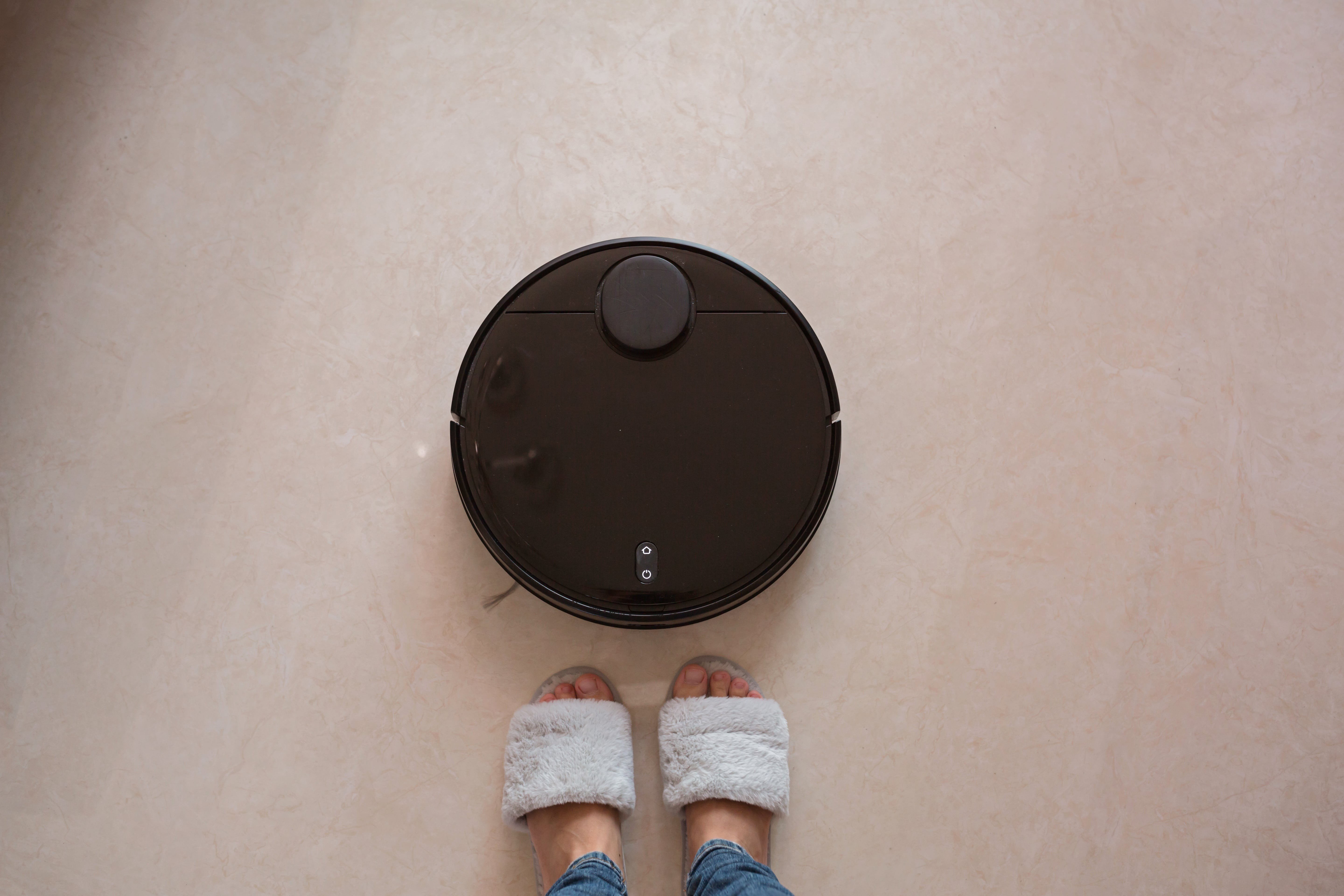 Even the most expensive models may be stuck under thresholds for doors, furniture or get caught in shoelaces and cords. Follow these suggestions to keep your robot vacuum and mop vacuum running smoothly:
Object Detection
A set of sensors that can detect obstacles is essential for robots. They aren't able reach tight corners or climb stairs Therefore, they must be able to recognize obstacles. They make it easier for them to avoid crashing into objects and falling over them. Some have cliff sensors that bounce infrared beams off the floor and walls to measure the distance a drop will travel. If the robot gets too close to a ledge or high threshold, it will retreat and then return to its starting point.
The most advanced robots also utilize other sensors to recognize objects like furniture legs and walls edges which allows them to move around them more precisely. They can then walk right to the edge of a room or furniture piece and then vacuum up the dirt that has accumulated there for more thorough cleaning.
Selecting a robotic vacuum cleaner with an app lets you add additional functions. You can design maps of your home and create exclusion zones and set up cleaning times. Some robot cleaners have an alarm that sounds when it's time to clean the filter or dust bin. These apps let you manage other functions, like changing the suction and letting the machine clean your carpets, floors or walls by adjusting the settings.
The most effective robots detect a variety of items, including fine dust particles, orzo pasta and metal screws, dog hair tangled and pet hair. They can also take care of most messes, but not as quickly as a vacuum.
If you regularly check for and get rid of stuck-on or tangled hair clean the dust bin after each cleaning session and wipe down any cameras or sensors (and recharge ports in the event of recharge ports) between cleanings, your robot vacuum cleaner reviews should last for a long time. Request instructions from your manufacturer on how to clean the rotating brushes. You can also replace any part that need replacing. Some manufacturers have received feedback from customers who've used the same model for a decade.
Mapping
It is essential that your robot vacuum cleaner is aware of the exact location it will avoid hitting objects or falling down the stairs. This is why mapping technology in robot vacuum cleaners is such an important element of engineering.
Most robot vacuums will start cleaning immediately after they are switched on. However advanced models will show the entire home or room before they begin cleaning. You can usually see the map within an accompanying app, and use it to direct your robot more easily.
The robot bounces infrared off the floor to make the map. It then uses that map to determine how close to it is. This allows it to detect obstacles like furniture, walls or a sunken space. It will then alter direction or back up in order to avoid hitting them.
The cliff sensors on more advanced robots are designed to detect abrupt changes in the distance between the robot's base and the floor. This means it is close to the edge, for example, the edge of a staircase. It will then back up in order to avoid falling.
It's impossible for a robotic device to "see" an obstacle from its own perspective. To avoid obstacles, obstacle-avoidance systems have become an integral feature of many robots, allowing them to weave their way through shoes or toys and cords.
The majority of robots allow you to create your own exclusion zone by drawing virtual boundaries into the application. You can then specify the areas that you do not want the robot to move. It's a great solution for those who live in a messy home and don't trust their robot to avoid things on its own. Be aware that this type mapping may require an enormous amount of energy, which could mean a shorter robot runtime and a lower performance.
Battery Life
Robots are far more advanced than auto vacuum and mop cleaners. However, they do require batteries. Like any battery it's batteries will diminish over time. The life expectancy of a robot can be extended by taking good care. This means charging the robot completely prior to every use and wiping it down with dry towels to avoid corrosion. It is also important to avoid exposing it to extreme temperatures and to use it less frequently.
Battery life varies among models. Some models can power whole homes on one charge, while others may only be capable of covering a small room or apartment. Consider whether the model has a charging dock or requires manual plugging into. This can affect how much time it takes to charge between cleaning sessions.
A smaller size bin will fill faster. If you're looking for self-emptying bins choose a container that has a minimum capacity of 400ml.
Another way to conserve battery power is to make the robot clean high-traffic areas of your home more often than rooms that are less frequented such as scheduling a daily mowing schedule for your kitchen and mudroom, while running the entire house every other day. Some robots have a low-power mode that will help save battery power for routine tasks.
Other tips to remember when purchasing a robot vacuum cleaner is to avoid products that have a limited warranty, since they tend to be less reliable than models with longer warranties. Registering your robot vacuum cleaner with the manufacturer will allow you to benefit from their customer support and warranty service, which can assist you in troubleshooting any issues that may arise over time. Also, keep an eye out for sales and discounts on robot vacuums during holidays and other shopping events, since these are a great opportunity to save money on a top-quality product.
Connectivity
Robot vacuums can help you save time and energy by eliminating the need to mop floors. More and more models can mop floors. Many models can be controlled using a smartphone app or voice commands through smart speakers. Certain models also allow you to create virtual barriers that they'll avoid; this works well in homes with lots of places to keep out of like kids' playpens or dog beds.
These machines maneuver independently on a set of wheels, scooping dirt into their suction zones, or into a small filtered dustbin. They can be programmed to clean in accordance with an established schedule, or to return to the charging station when they're finished.
Most robots have a range of sensors that help them navigate and map their surroundings, such as sensors for cliffs that warn them when they're nearing stairs or sunken living rooms as well as lasers to look for furniture and walls. Obstacle avoidance is also important however they aren't impervious to danger. Robots have been caught in shoes or socks, or even pull themselves into curtains with tassels.
Also, you'll need to clean any cameras or sensors in between cleaning sessions. An app that is up-to-date allows you to schedule the cleaning of your robot and alter its intensity.
The iRoborock Q5 Max+ was one of the most impressive robots that we've tested. It was extremely well-mapped and navigation across multiple surfaces. It was able to sweep the entire floor of our test home in about an hour, and avoided any obstacles and didn't miss a lot of dirt and dust in corners. Although its mops weren't able to pick up the majority of water-based debris we'd prefer, it was quite impressive overall. The app is simple to use and is compatible with Alexa or Google Assistant for hands free control. The app also lets you to create no-go zones as well as create customized maps of your home.
- 이전글28 Finest Gifts For Whiskey Lovers In 2024 24.12.19
- 다음글Guide To Robot Vacuum Best: The Intermediate Guide For Robot Vacuum Best 24.12.19
댓글목록
등록된 댓글이 없습니다.