How To Find The Perfect Fire Pits & Chimineas Online
페이지 정보

본문
Chimineas Vs Fire Pits
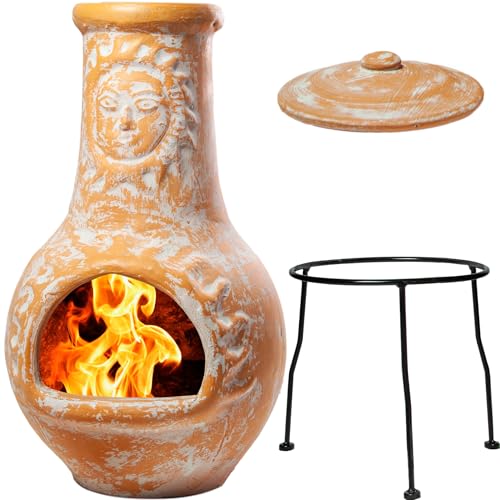 Chimineas are like pot-bellied stoves in that they have an opening in the front where fuel can be stacked and a chimney attached which directs smoke upwards. They are available in a variety of materials like clay and terra cotta for an old-fashioned look, or iron and cast iron for greater durability.
Clay models can be fragile and require careful handling while metal versions are able to endure higher temperatures and more rough handling. Both add warmth and ambience to outdoor spaces.
Chimineas
Chimineas, similar to fireplaces on many levels, are made for outdoor use. They give an attractive appearance. They are typically made of clay or terra cotta and may be brightly decorated with Mexican-inspired themes. More modern chimineas are made out of aluminum and cast iron which are more resistant to cracks and deterioration than traditional clay.
Originally a potbellied stove the chiminea was created in Mexico and other Western states. Although they are used primarily to entertain they can be a stunning addition to any outdoor space and can serve as an accent piece that can be incorporated into rustic decor. Chiminesas with long chimneys can be used to direct smoke upwards, which helps to keep it away from those who are sitting near it, as opposed to fire pits, which usually have an open flame that could cause sparks and embers to spread throughout the ground and adjacent areas.
Chimineas as well as fire pits provide warmth to outdoor spaces, but they offer distinct advantages and requirements for maintenance. The design of the fire pit can be adapted to different styles of garden and the minimalist, sleek design of fire pits is ideal for many outdoor settings.
The different maintenance requirements between fire pits and chimineas also has something to do with the materials of each, as clay and terra cotta are more susceptible to damage than cast iron and aluminum. As a result, chimineas typically require more frequent maintenance than fire pits.
Both types of outdoor fireplaces are popular because they create a cozy and inviting place for family and friends to gather for dinners or cocktails. However, a chiminea's more enclosed and contained design makes it ideal for more intimate groups and can be more effective in warming the room. The chiminea's safety benefits come from the fact that sparks and embers that blaze off the fire are more contained. Fire pits must be placed with care to reduce the risk of fire and should be monitored.
Fire pits
You might have to decide whether you'd like to add an achiminea or fire pit when planning your outdoor area. Both provide warmth and elegance to your garden or patio however they differ in terms of their design operations, features, and security features. We'll help you find the right option for your space by examining the initial costs, maintenance costs expenditures, fuel, and more. We'll also look at the heat output smoke, heat output, and safety.
A chiminea or chimenea (pronounced che-meh-NEH-yah) is an open-air fireplace that has a chimney and can be used to cook in. They can be made of clay, metals such as cast iron or steel or cement or stone. They come in many shapes, sizes, and styles to match different styles of outdoor decor. They can be insulated for comfort and a contained flame. This decreases the chance of sparks and improves safety.
Although chimineas are compatible with wood and charcoal but it is best to use seasoned logs or kiln-dried logs. Moisture wood generates more smoke and heats less efficiently. Chimineas also require a bigger fire to keep them warm, which can lead to a greater amount of smoke, but this can be reduced by the proper air flow, use of a log grate and regular maintenance.
Steel is the most popular material for fire pits due to its cost and durability. Some are portable, whereas others are designed to be permanent fixtures in the space. They are usually built into the ground or placed on a raised deck and come in various sizes, shapes and finishes that match a range of outdoor decors. They can be powered by gas, providing additional convenience and control, or by charcoal and wood.
Fire pits are more difficult to maintain than chimineas but generally regarded as more dangerous. The open design of fire pits could cause more sparks to fly which can be hazardous for pets and children. To prevent accidents, they must be kept away from fire-prone objects and kept under constant surveillance. They also produce a large amount of smoke and ash which can make it uncomfortable for some people.
Safety
Both fire pits and chimineas can add warmth and charm to your outdoor space However, their use can be risky. Both are extremely hot, and caution should always be taken when using them, particularly when working with animals and children. Both can be used with surfaces that are susceptible to cracking when heated up (see below). It is therefore recommended to put the bricks or stones under the fire pit. Both will release a significant amount of smoke, which may be a problem if live in a windy location. The chiminea has the advantage of having the fire contained within it, which means it is less vulnerable to winds that blow embers and ash around. However, the opening is only on one side, and it is not possible to see the back so it could be easy to leave a chiminea unattended in a chilly location.
It is crucial to only use seasoned, dried and kiln-dried logs in both types of fireplace since they burn better and produce less smoke. Also be sure to avoid flammable items like paper, twigs and trash that could quickly explode into flames and trigger an unwelcome or dangerous reaction.
Be aware of any local burning bans. They can be caused by extreme weather conditions that combine with high emissions to raise levels of fine particulate pollutants to unhealthy levels. These harmful toxins can trigger respiratory problems when inhaled.
Keep a bucket of water or garden hose handy in case the fire grows out of control. Also, ensure that the area surrounding your fire pit is free of twigs, branches, and leaves that can easily catch fire. Also, it's a good idea to keep an emergency kit in the event of in case someone is injured by sparks or smoke. If properly maintained, both a chiminea and a fire pit will last a long time. A cast iron ceramic chiminea is a more durable option for your patio than terracotta or clay chiminea fire pit which are less durable and are susceptible to cracking at high temperatures.
Maintenance
If your backyard chiminea or fire pit is not properly maintained it could pose serious hazards. It could cause serious damage or injury if improperly used or is placed too close to a home or shrub, or other structures. It is crucial to ensure that only natural materials like wood are burned and that no plastics, trash or liquid fuels should be used. Check your local weather forecasts for guidelines regarding when you are allowed to burn. In the end, it's a good idea to keep a fire hose or extinguisher in case in an emergencies.
A chiminea is a traditional outdoor fireplace that provides warmth and ambiance to gardens and patios. chimineas clay are available in a variety of styles and finishes. They are constructed of clay metal, cast iron. Many chimineas are decorated with elaborate, traditional designs that adds a rustic feel to outdoor spaces. Chimineas produce less smoke and emissions of particulate matter than fire pits, which makes them more eco-friendly.
Regularly cleaning your chiminea will ensure it is in good condition. Begin by cleaning any unburned wood and ash from the grate. Then, create a small fire with a few pieces of kindling. Let it burn for about an hour, then carefully dowse the flames with water to smother them completely. Wait for the chiminea's temperature drop before lighting a new fire.
Chimineas are beautiful addition to any outdoor space They require more care than fire pits. To avoid rust or other damage from the elements, they need to be cleaned regularly. Chimineas can be quite fragile and may break or crack if not handled with care.
The choice of buying a chiminea, or a fire pit, ultimately depends on your personal preferences and budget. Both have their advantages, but it's essential to consider the initial investment and long-term expenses before deciding which one is best for your home. If you are seeking a long-lasting solution, you can consider an individualized chiminea or fire pit that is made with durable materials like stone or steel that is able to withstand the rigors of frequent use and extreme weather conditions.
Chimineas are like pot-bellied stoves in that they have an opening in the front where fuel can be stacked and a chimney attached which directs smoke upwards. They are available in a variety of materials like clay and terra cotta for an old-fashioned look, or iron and cast iron for greater durability.Clay models can be fragile and require careful handling while metal versions are able to endure higher temperatures and more rough handling. Both add warmth and ambience to outdoor spaces.
Chimineas
Chimineas, similar to fireplaces on many levels, are made for outdoor use. They give an attractive appearance. They are typically made of clay or terra cotta and may be brightly decorated with Mexican-inspired themes. More modern chimineas are made out of aluminum and cast iron which are more resistant to cracks and deterioration than traditional clay.
Originally a potbellied stove the chiminea was created in Mexico and other Western states. Although they are used primarily to entertain they can be a stunning addition to any outdoor space and can serve as an accent piece that can be incorporated into rustic decor. Chiminesas with long chimneys can be used to direct smoke upwards, which helps to keep it away from those who are sitting near it, as opposed to fire pits, which usually have an open flame that could cause sparks and embers to spread throughout the ground and adjacent areas.
Chimineas as well as fire pits provide warmth to outdoor spaces, but they offer distinct advantages and requirements for maintenance. The design of the fire pit can be adapted to different styles of garden and the minimalist, sleek design of fire pits is ideal for many outdoor settings.
The different maintenance requirements between fire pits and chimineas also has something to do with the materials of each, as clay and terra cotta are more susceptible to damage than cast iron and aluminum. As a result, chimineas typically require more frequent maintenance than fire pits.
Both types of outdoor fireplaces are popular because they create a cozy and inviting place for family and friends to gather for dinners or cocktails. However, a chiminea's more enclosed and contained design makes it ideal for more intimate groups and can be more effective in warming the room. The chiminea's safety benefits come from the fact that sparks and embers that blaze off the fire are more contained. Fire pits must be placed with care to reduce the risk of fire and should be monitored.
Fire pits
You might have to decide whether you'd like to add an achiminea or fire pit when planning your outdoor area. Both provide warmth and elegance to your garden or patio however they differ in terms of their design operations, features, and security features. We'll help you find the right option for your space by examining the initial costs, maintenance costs expenditures, fuel, and more. We'll also look at the heat output smoke, heat output, and safety.
A chiminea or chimenea (pronounced che-meh-NEH-yah) is an open-air fireplace that has a chimney and can be used to cook in. They can be made of clay, metals such as cast iron or steel or cement or stone. They come in many shapes, sizes, and styles to match different styles of outdoor decor. They can be insulated for comfort and a contained flame. This decreases the chance of sparks and improves safety.
Although chimineas are compatible with wood and charcoal but it is best to use seasoned logs or kiln-dried logs. Moisture wood generates more smoke and heats less efficiently. Chimineas also require a bigger fire to keep them warm, which can lead to a greater amount of smoke, but this can be reduced by the proper air flow, use of a log grate and regular maintenance.
Steel is the most popular material for fire pits due to its cost and durability. Some are portable, whereas others are designed to be permanent fixtures in the space. They are usually built into the ground or placed on a raised deck and come in various sizes, shapes and finishes that match a range of outdoor decors. They can be powered by gas, providing additional convenience and control, or by charcoal and wood.
Fire pits are more difficult to maintain than chimineas but generally regarded as more dangerous. The open design of fire pits could cause more sparks to fly which can be hazardous for pets and children. To prevent accidents, they must be kept away from fire-prone objects and kept under constant surveillance. They also produce a large amount of smoke and ash which can make it uncomfortable for some people.
Safety
Both fire pits and chimineas can add warmth and charm to your outdoor space However, their use can be risky. Both are extremely hot, and caution should always be taken when using them, particularly when working with animals and children. Both can be used with surfaces that are susceptible to cracking when heated up (see below). It is therefore recommended to put the bricks or stones under the fire pit. Both will release a significant amount of smoke, which may be a problem if live in a windy location. The chiminea has the advantage of having the fire contained within it, which means it is less vulnerable to winds that blow embers and ash around. However, the opening is only on one side, and it is not possible to see the back so it could be easy to leave a chiminea unattended in a chilly location.
It is crucial to only use seasoned, dried and kiln-dried logs in both types of fireplace since they burn better and produce less smoke. Also be sure to avoid flammable items like paper, twigs and trash that could quickly explode into flames and trigger an unwelcome or dangerous reaction.
Be aware of any local burning bans. They can be caused by extreme weather conditions that combine with high emissions to raise levels of fine particulate pollutants to unhealthy levels. These harmful toxins can trigger respiratory problems when inhaled.
Keep a bucket of water or garden hose handy in case the fire grows out of control. Also, ensure that the area surrounding your fire pit is free of twigs, branches, and leaves that can easily catch fire. Also, it's a good idea to keep an emergency kit in the event of in case someone is injured by sparks or smoke. If properly maintained, both a chiminea and a fire pit will last a long time. A cast iron ceramic chiminea is a more durable option for your patio than terracotta or clay chiminea fire pit which are less durable and are susceptible to cracking at high temperatures.
Maintenance
If your backyard chiminea or fire pit is not properly maintained it could pose serious hazards. It could cause serious damage or injury if improperly used or is placed too close to a home or shrub, or other structures. It is crucial to ensure that only natural materials like wood are burned and that no plastics, trash or liquid fuels should be used. Check your local weather forecasts for guidelines regarding when you are allowed to burn. In the end, it's a good idea to keep a fire hose or extinguisher in case in an emergencies.
A chiminea is a traditional outdoor fireplace that provides warmth and ambiance to gardens and patios. chimineas clay are available in a variety of styles and finishes. They are constructed of clay metal, cast iron. Many chimineas are decorated with elaborate, traditional designs that adds a rustic feel to outdoor spaces. Chimineas produce less smoke and emissions of particulate matter than fire pits, which makes them more eco-friendly.
Regularly cleaning your chiminea will ensure it is in good condition. Begin by cleaning any unburned wood and ash from the grate. Then, create a small fire with a few pieces of kindling. Let it burn for about an hour, then carefully dowse the flames with water to smother them completely. Wait for the chiminea's temperature drop before lighting a new fire.
Chimineas are beautiful addition to any outdoor space They require more care than fire pits. To avoid rust or other damage from the elements, they need to be cleaned regularly. Chimineas can be quite fragile and may break or crack if not handled with care.
The choice of buying a chiminea, or a fire pit, ultimately depends on your personal preferences and budget. Both have their advantages, but it's essential to consider the initial investment and long-term expenses before deciding which one is best for your home. If you are seeking a long-lasting solution, you can consider an individualized chiminea or fire pit that is made with durable materials like stone or steel that is able to withstand the rigors of frequent use and extreme weather conditions.
- 이전글Find Out What Fireplace Wall Mount The Celebs Are Using 24.10.31
- 다음글Best Online Casino Games Sources: google.com (web site) 24.10.31
댓글목록
등록된 댓글이 없습니다.

