9 . What Your Parents Teach You About Chiminea Terracotta
페이지 정보

본문
A chiminea terracotta (simply click the following internet page) Adds Warmth and Ambiance to Your Backyard Patio
A chiminea will add warmth and ambience to your backyard. The chimney directing the smoke upwards, which prevents sparks and flames from harming nearby plants or sparking the deck or your home.
Chimineas made of clay should be broken up slowly. The initial flames should be slow and small. Sealing a chiminea is recommended, particularly in rainy climates.
Material
A chiminea is an excellent option to add warmth and character to your outdoor patio. The pot-belly design of the chiminea is perfect for entertaining. However, new designs are now available to match different styles of decoration. While clay is the most common material, chimineas can also be available in cast iron and aluminum. Each type of material has its own advantages. While clay is easy to maintain but metal is more durable. It also can endure higher temperatures.
When choosing a blue rooster chiminea, take into consideration its size, style and the type of fuel. The size of the chiminea must be able to hold the amount of wood you use in order to maintain a steady flame. Larger chimneys are suited to family gatherings while smaller ones are ideal for smaller locations. A chimney focuses the smoke upwards, protecting it from rain and powerful winds.
The design of a chiminea is what makes it different from other fire pits that are used outdoors. The bowl-shaped base houses the flames and shields them from wind, rain and other debris. The chimney is beautiful and allows you to control the size of flames.
Chimineas made of clay are shaped and molded by hand then glazed at high temperatures. They are often coated with a Ceramic chimineas glaze in order to make them more appealing and durable against weather damage. Some are decorated with Mexican-inspired patterns. These chimineas can be purchased in garden stores and home improvement centers.
Before lighting a chiminea, cover the interior of its base with sand or gravel that is coarse-grained. Sand helps to reduce smoke and prevents the clay from cracking during firing. Once you've covered your base, place a few small pieces of kindling in the middle. Include a natural light source like this one from Amazon, to make lighting easier.
When you're ready to cook, use a long-handled fork or spatula to turn the hot embers. Cooking food should not be done directly on flames that are active as it may cause burns and blacken the food beyond recognition. Instead, begin with a smoky stack of embers and gradually build an enormous fire. Then, you can move the pan to the top.
Design
A chiminea is a type of fire pit that appears like a potbelly stove with a wide bottom with a mouth for the fire and an extended narrow chimney to smoke. The chimney protects the fire against wind and rain which can create an open fire pit. Chimineas have been in use for more than four hundred years for gatherings as well as cooking and heating homes. The clay used to make them was the first ingredient and now they are available in both traditional and contemporary styles, and in cast iron or Terracotta.
Modern chimineas tend to avoid the curvatures of older models, they still retain distinct chimney designs. They come in a variety of shapes and sizes. They vary between 12 and 16 inches diameter at the base and 25 to 30 inches high (including the stand). The chimney is usually about 6 feet.
The height of a chiminea is crucial because it assists in directing smoke upward, which can keep it from blowing on objects and people in your home or yard. You can also make use of aromatic woods, which will make a wonderful aroma as they burn. This adds to the experience.
When you are choosing a chiminea to buy, choose one constructed of sturdy materials that can withstand extreme heat. Beware of models that have decorative elements or other features that can break or crack under the heat. If you choose to purchase an terracotta or big clay chiminea chiminea one, it is essential to make sure it is seasoned by burning small amounts of wood for 3 to 4 times. This will allow the clay to cure. When not in use the chiminea should be covered with a lid in order to prevent water from spilling onto the flames. This could cause it to burn.
Cast iron chimineas are able to withstand higher temperatures and rougher treatment because they are more heavy and durable than clay models. They are also more versatile because they can burn briquettes, coal, or briquettes in addition to wood. If you want traditional design, you can choose the clay chiminea.
Whatever material you choose, make sure to place the chiminea away from your home and all outdoor furniture. The chiminea must be at least 10 feet away from any other structures, like a fence or shed. Create a hearth in your patio by laying pavers across the space to serve as the platform for your chiminea and to make it easy to control the flame.
Installation
Chimineas are a focal point for any family gathering and can add an additional dimension to outdoor spaces. It is important to know the maintenance requirements of the chiminea prior to purchasing one. Traditional clay chimineas tend to be more fragile than cast iron chimineas but both can be able to withstand the elements, however the distinct differences in the design and materials require a different approach to maintenance.
The first step is prepare the base of the chiminea. The bottom should be lined with sand, gravel or lava rock in order to keep it out of direct contact with the fire. This will help reduce smoke and prevent the chiminea from breaking.
It is important to ensure that the chiminea is installed in a secure and secure location. Don't place it on a deck or other flammable surface. If you must put it in a place that is flammable then use a metal grate to raise the wood. This will shield the chiminea from heat and sparks of the fire.
It is important to season the chiminea before lighting it for the first time. This can be done by lighting a few small fires. This is done to prevent it from cracking if you burn a large amount of wood.
After each fire Clean the chiminea thoroughly by rubbing it with a wire bristle brush, or a dry cloth. You should also remove any ash and creosote inside the chiminea. These chemicals can affect the quality and quantity of fires that you can have in your chiminea if they are not removed.
The chiminea must be sealed with a protective cover whenever it is not in use. This will prevent the clay from becoming too wet, causing it to shrink and crack. Chimineas can suffer this type of damage when exposed for a long period of time to snow and rain.
Even in the summer, it is best to cover the chiminea. It is also recommended to have a backup source of fuel for the fire, like a propane tank or wood. It is also a good idea to keep a nearby fire extinguisher to eliminate any sudden fires.
Maintenance
Despite the various materials that chimineas are constructed from they all require regular maintenance to ensure they last as long as possible. This involves cleaning the structure as well as applying protective coatings and properly storing it in winter to avoid extreme temperatures. Following these steps and the basic guidelines for usage will prolong the lifespan of your chiminea and reduce the risk of injury.
Chimineas, which are composed of clay, may crack when exposed to extreme temperature changes. This is why it's important to store your terra cotta in a dry and secure area during the off-season preferably with the cover to guard against rain and frost. It is also recommended to apply an adhesive on your clay fireplace to shield it from moisture and temperature changes.
To avoid damaging the clay surface, make use of a non-abrasive material and a soft brush or cloth to clean a chimney. A bucket of water or a hose is recommended to wash off the surface after scrubbing, and it's essential to let the chiminea dry completely before re-using it. This will stop mold and mildew growth and will keep it looking fresh.
If your chiminea has a cracked section, it's vital to clamp the broken pieces together, and then apply outdoor oven cement to the crack. It is available at the majority of hardware stores. It is applied with a spatula or pointing trowel. The cement should be allowed to dry completely before lighting a test fire in the chiminea.
After the cement has dried, put medium-fine sandpaper on the affected area to prepare it for painting. Then, you can paint it with a masonry or household paint with a color that is similar to your chiminea. If the chiminea has corrosion or rust on it, remove it by sanding off the affected areas and then rinsing them with water to get rid of dust or dirt particles.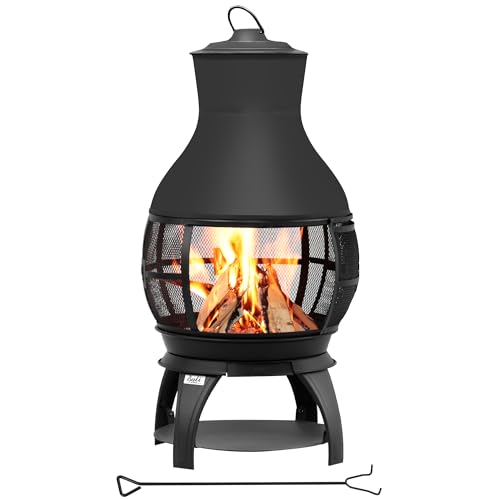
A chiminea will add warmth and ambience to your backyard. The chimney directing the smoke upwards, which prevents sparks and flames from harming nearby plants or sparking the deck or your home.
Chimineas made of clay should be broken up slowly. The initial flames should be slow and small. Sealing a chiminea is recommended, particularly in rainy climates.
Material
A chiminea is an excellent option to add warmth and character to your outdoor patio. The pot-belly design of the chiminea is perfect for entertaining. However, new designs are now available to match different styles of decoration. While clay is the most common material, chimineas can also be available in cast iron and aluminum. Each type of material has its own advantages. While clay is easy to maintain but metal is more durable. It also can endure higher temperatures.
When choosing a blue rooster chiminea, take into consideration its size, style and the type of fuel. The size of the chiminea must be able to hold the amount of wood you use in order to maintain a steady flame. Larger chimneys are suited to family gatherings while smaller ones are ideal for smaller locations. A chimney focuses the smoke upwards, protecting it from rain and powerful winds.
The design of a chiminea is what makes it different from other fire pits that are used outdoors. The bowl-shaped base houses the flames and shields them from wind, rain and other debris. The chimney is beautiful and allows you to control the size of flames.
Chimineas made of clay are shaped and molded by hand then glazed at high temperatures. They are often coated with a Ceramic chimineas glaze in order to make them more appealing and durable against weather damage. Some are decorated with Mexican-inspired patterns. These chimineas can be purchased in garden stores and home improvement centers.
Before lighting a chiminea, cover the interior of its base with sand or gravel that is coarse-grained. Sand helps to reduce smoke and prevents the clay from cracking during firing. Once you've covered your base, place a few small pieces of kindling in the middle. Include a natural light source like this one from Amazon, to make lighting easier.
When you're ready to cook, use a long-handled fork or spatula to turn the hot embers. Cooking food should not be done directly on flames that are active as it may cause burns and blacken the food beyond recognition. Instead, begin with a smoky stack of embers and gradually build an enormous fire. Then, you can move the pan to the top.
Design
A chiminea is a type of fire pit that appears like a potbelly stove with a wide bottom with a mouth for the fire and an extended narrow chimney to smoke. The chimney protects the fire against wind and rain which can create an open fire pit. Chimineas have been in use for more than four hundred years for gatherings as well as cooking and heating homes. The clay used to make them was the first ingredient and now they are available in both traditional and contemporary styles, and in cast iron or Terracotta.
Modern chimineas tend to avoid the curvatures of older models, they still retain distinct chimney designs. They come in a variety of shapes and sizes. They vary between 12 and 16 inches diameter at the base and 25 to 30 inches high (including the stand). The chimney is usually about 6 feet.
The height of a chiminea is crucial because it assists in directing smoke upward, which can keep it from blowing on objects and people in your home or yard. You can also make use of aromatic woods, which will make a wonderful aroma as they burn. This adds to the experience.
When you are choosing a chiminea to buy, choose one constructed of sturdy materials that can withstand extreme heat. Beware of models that have decorative elements or other features that can break or crack under the heat. If you choose to purchase an terracotta or big clay chiminea chiminea one, it is essential to make sure it is seasoned by burning small amounts of wood for 3 to 4 times. This will allow the clay to cure. When not in use the chiminea should be covered with a lid in order to prevent water from spilling onto the flames. This could cause it to burn.
Cast iron chimineas are able to withstand higher temperatures and rougher treatment because they are more heavy and durable than clay models. They are also more versatile because they can burn briquettes, coal, or briquettes in addition to wood. If you want traditional design, you can choose the clay chiminea.
Whatever material you choose, make sure to place the chiminea away from your home and all outdoor furniture. The chiminea must be at least 10 feet away from any other structures, like a fence or shed. Create a hearth in your patio by laying pavers across the space to serve as the platform for your chiminea and to make it easy to control the flame.
Installation
Chimineas are a focal point for any family gathering and can add an additional dimension to outdoor spaces. It is important to know the maintenance requirements of the chiminea prior to purchasing one. Traditional clay chimineas tend to be more fragile than cast iron chimineas but both can be able to withstand the elements, however the distinct differences in the design and materials require a different approach to maintenance.
The first step is prepare the base of the chiminea. The bottom should be lined with sand, gravel or lava rock in order to keep it out of direct contact with the fire. This will help reduce smoke and prevent the chiminea from breaking.
It is important to ensure that the chiminea is installed in a secure and secure location. Don't place it on a deck or other flammable surface. If you must put it in a place that is flammable then use a metal grate to raise the wood. This will shield the chiminea from heat and sparks of the fire.
It is important to season the chiminea before lighting it for the first time. This can be done by lighting a few small fires. This is done to prevent it from cracking if you burn a large amount of wood.
After each fire Clean the chiminea thoroughly by rubbing it with a wire bristle brush, or a dry cloth. You should also remove any ash and creosote inside the chiminea. These chemicals can affect the quality and quantity of fires that you can have in your chiminea if they are not removed.
The chiminea must be sealed with a protective cover whenever it is not in use. This will prevent the clay from becoming too wet, causing it to shrink and crack. Chimineas can suffer this type of damage when exposed for a long period of time to snow and rain.
Even in the summer, it is best to cover the chiminea. It is also recommended to have a backup source of fuel for the fire, like a propane tank or wood. It is also a good idea to keep a nearby fire extinguisher to eliminate any sudden fires.
Maintenance
Despite the various materials that chimineas are constructed from they all require regular maintenance to ensure they last as long as possible. This involves cleaning the structure as well as applying protective coatings and properly storing it in winter to avoid extreme temperatures. Following these steps and the basic guidelines for usage will prolong the lifespan of your chiminea and reduce the risk of injury.
Chimineas, which are composed of clay, may crack when exposed to extreme temperature changes. This is why it's important to store your terra cotta in a dry and secure area during the off-season preferably with the cover to guard against rain and frost. It is also recommended to apply an adhesive on your clay fireplace to shield it from moisture and temperature changes.
To avoid damaging the clay surface, make use of a non-abrasive material and a soft brush or cloth to clean a chimney. A bucket of water or a hose is recommended to wash off the surface after scrubbing, and it's essential to let the chiminea dry completely before re-using it. This will stop mold and mildew growth and will keep it looking fresh.
If your chiminea has a cracked section, it's vital to clamp the broken pieces together, and then apply outdoor oven cement to the crack. It is available at the majority of hardware stores. It is applied with a spatula or pointing trowel. The cement should be allowed to dry completely before lighting a test fire in the chiminea.
After the cement has dried, put medium-fine sandpaper on the affected area to prepare it for painting. Then, you can paint it with a masonry or household paint with a color that is similar to your chiminea. If the chiminea has corrosion or rust on it, remove it by sanding off the affected areas and then rinsing them with water to get rid of dust or dirt particles.
- 이전글Why Lightweight 3 Wheel Electric Scooter Might Be Your Next Big Obsession 24.09.20
- 다음글Online Poker Tournaments: Do You really need It? It will Make it easier to Determine! 24.09.20
댓글목록
등록된 댓글이 없습니다.

