The Reason You Shouldn't Think About The Need To Improve Your Lidar Va…
페이지 정보

본문
Lidar Navigation for robot vacuum with object avoidance lidar Vacuums
In contrast to cameras, Lidar (Light Detection and Ranging) sensors emit laser beams that reflect off objects to create real-time maps. This allows robot vacuums avoid obstacles and clean paths more efficiently.
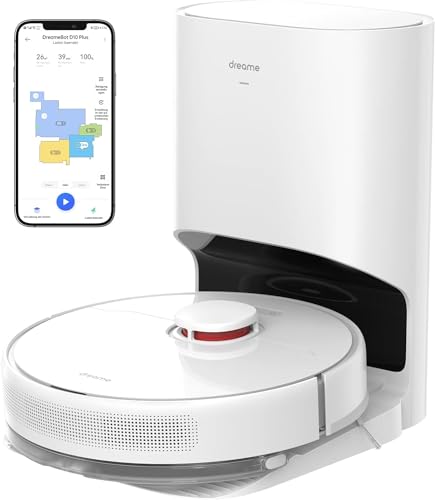 This also means that you don't have to control your vacuum manually. However, Lidar is usually more expensive than vacuums that have simple navigation systems.
Precise Navigation
The precise navigation capabilities provided by cheapest lidar robot vacuum (Valeriarp.com.tr) are a game-changer in the field of robotic vacuums which has transformed these machines from simple tools for cleaning to smart household companions with precision, efficiency and adaptability. The technology is at the core of many modern industries and applications, including self-driving cars, micro-mobility, smart agriculture construction, surveying, and construction. Precise navigation is vital for these technologies, since it allows machines to know exactly where they are in 3D space with high accuracy speed, precision, and confidence.
Lidar operates by emitting laser beams and measuring the time it takes for those beams to bounce off surrounding objects before returning to the sensor. This enables the system to build a real-time map of its surroundings, which permits precise navigation, obstacle avoidance, and optimized path planning. This allows robot vacuums to navigate more efficiently and effectively, making sure that every area of the house are cleaned and furniture isn't damaged.
A good lidar system should be able to generate a complete map in the space it operates in and be able to complete an extensive sweep in just one sweep. This will reduce battery usage since the robot won't have to stop as often. A lidar robot should recognize when it's crossing a threshold like going from carpeting to hardwood, which will trigger the vac to reduce its suction power and decrease the risk of damaging the floor or upholstery.
A top-quality lidar must be able to detect ledges or drops, and will automatically slow down its movement or stop it to avoid falling and damaging furniture or itself within the room. This feature is especially important when it comes to a vacuum cleaner designed for use on stairs where a fall could be extremely dangerous.
While a few Silicon Valley startup companies are working on solid state lidar sensors for robotics, the majority still rely on Velodyne's older technology. It's expensive to produce in large quantities and has some limitations. The ability to quickly access an enormous amount of information is a great asset. It's not surprising that many self-driving vehicles and robot vacuums depend on it.
Autonomy
Lidar mapping technology is superior to previous models of robot vacuums which employed bumpers and infrared sensors to identify obstacles. It enables robots to follow optimal cleaning routes and cover the entire surface efficiently.
To achieve this, the lidar explained sensor emits laser beams that reflect off surfaces and objects in space. The sensor measures how long it takes for reflections to return. This information is used to build an image of the surrounding area. In the case of robot vacuums, this map will show the areas where debris and dirt build up and help the machine avoid obstacles like furniture or walls.
Lidar maps also help prevent robots from becoming tangled up in cords or becoming stuck under low furniture. They are particularly useful in rooms with complicated layouts, which can make it difficult to detect obstacles with only infrared or ultrasonic sensors. Lidar sensors combined with cameras can improve the navigation abilities of robotic vacuum cleaners, as the cameras are able to identify objects that scanners might miss.
The top LiDAR mapping robot vacuums come with an efficient algorithm that blends data from multiple sensors to give the most precise information about the environment. This algorithm recognizes obstacles of various kinds and then plots an appropriate route to avoid them. The lidar mapping system what is lidar robot vacuum not confused by objects that are transparent, reflective, or moving, such as furniture.
It is essential to keep your robot free of debris, dust and other contaminates. This can have a significant impact on its performance. It is also important to regularly calibrate the sensors to ensure that they're functioning correctly. If you're not sure how to do this, refer to the user manual for your robot or contact support for help.
A reliable navigation system can be an essential part of any robotic vacuum robot with lidar, however, they can be costly. If you're working on a budget, you may need to prioritize other features over navigation. This will help you choose the ideal robot for your home, without breaking the bank.
Reduced Collision Risks
While robot vacuums have been getting an unpopular reputation for a long time due to their tendency to repeatedly hit walls and other obstacles, the majority of current models rely on a combination of laser sensors, cameras and lidar navigation. The lidar lasers are able to accurately measure distances, unlike radar or sound waves that dissipate when they bounce off objects. This information is used to create a 3D representation of the surrounding environment, similar to as a map or a point cloud, which allows easier navigation and reduces the chances of collisions.
Lidar technology is also more sensitive to objects than other sensors, and is better at recognizing different shapes, sizes and textures. It can recognize small objects on the floor that are often missed by traditional systems. For example, a glass coffee table could appear the same to a lidar scanner as a rock, leading to the machine assuming one is the other and potentially damaging both.
Lidar is also a good complement for camera systems that may be blind in certain situations like poor lighting or sudden changes in light. Some of the most expensive robot vacuums make use of both cameras as well as lidar to enhance navigation and mapping.
The sensors used by lidar-enabled robots are typically less bulky than those used in self-driving automobiles that have relied on this technology to view their surroundings. The sensors can be put inside the body of the vacuum and prevent furniture damage and making it easier for users to clean up under items.
Of course, as with any other technology, lidar is not without its flaws. Some privacy experts have suggested that the maps generated by vacuums equipped with lidar could pose security threats, as they reveal information about the size of the house and other personal information. Although this theory has yet to be proven valid, it is important to consider when purchasing a new robotic cleaner.
Improved User Experience
Lidar technology is transforming robot vacuums from basic cleaning devices to intelligent household companions. While these advances have made robots more autonomous and efficient but they're not without limitations. One of the limitations is their inability to navigate tricky areas such as the stairs or ledges. Edge detection is the solution. Edge detection allows a robot to detect when it's getting too close to an edge or ledge and alters its movements to prevent falling off.
This feature is activated through a bump sensor, which emits an infrared beam that the sensor detects when it touches an object. The sensors are designed to be activated with a small amount of force, but they can be overridden by objects that have greater weight such as furniture or toys. This can lead to a robot getting stuck under your couch, for instance. Fortunately, the majority of manufacturers have designed their edge detection systems to be as sensitive as they can be to avoid these issues.
A lidar-based system has the advantage of being able to identify objects more precisely than bump sensors. It is less likely that the robot will become stuck in tight spaces or on objects. Also, you'll spend less time babysitting your robot'.
In addition to enhanced object detection, most robots with lidar also offer greater navigation overall. lidar sensor vacuum cleaner is able to detect small objects that other sensors may miss. This allows you to navigate and avoid collisions. This results in a faster and more efficient cleaning.
Another advantage of lidar is that it is able to be used at night or in the dark without the requirement for cameras. This is an enormous advantage, as you can make use of your robot to clean even in the dark or when you are away from home. You can also rest assured that the robot will not be scared or blinded by dark carpets or dark areas under your couch.
While the advantages of lidar in robotic vacuums are substantial, a number of privacy concerns have been raised. Researchers have found that some robots equipped with lidar sensors can be hackable to act as acoustic microphones and listen in on your private conversations.
In contrast to cameras, Lidar (Light Detection and Ranging) sensors emit laser beams that reflect off objects to create real-time maps. This allows robot vacuums avoid obstacles and clean paths more efficiently.
This also means that you don't have to control your vacuum manually. However, Lidar is usually more expensive than vacuums that have simple navigation systems.Precise Navigation
The precise navigation capabilities provided by cheapest lidar robot vacuum (Valeriarp.com.tr) are a game-changer in the field of robotic vacuums which has transformed these machines from simple tools for cleaning to smart household companions with precision, efficiency and adaptability. The technology is at the core of many modern industries and applications, including self-driving cars, micro-mobility, smart agriculture construction, surveying, and construction. Precise navigation is vital for these technologies, since it allows machines to know exactly where they are in 3D space with high accuracy speed, precision, and confidence.
Lidar operates by emitting laser beams and measuring the time it takes for those beams to bounce off surrounding objects before returning to the sensor. This enables the system to build a real-time map of its surroundings, which permits precise navigation, obstacle avoidance, and optimized path planning. This allows robot vacuums to navigate more efficiently and effectively, making sure that every area of the house are cleaned and furniture isn't damaged.
A good lidar system should be able to generate a complete map in the space it operates in and be able to complete an extensive sweep in just one sweep. This will reduce battery usage since the robot won't have to stop as often. A lidar robot should recognize when it's crossing a threshold like going from carpeting to hardwood, which will trigger the vac to reduce its suction power and decrease the risk of damaging the floor or upholstery.
A top-quality lidar must be able to detect ledges or drops, and will automatically slow down its movement or stop it to avoid falling and damaging furniture or itself within the room. This feature is especially important when it comes to a vacuum cleaner designed for use on stairs where a fall could be extremely dangerous.
While a few Silicon Valley startup companies are working on solid state lidar sensors for robotics, the majority still rely on Velodyne's older technology. It's expensive to produce in large quantities and has some limitations. The ability to quickly access an enormous amount of information is a great asset. It's not surprising that many self-driving vehicles and robot vacuums depend on it.
Autonomy
Lidar mapping technology is superior to previous models of robot vacuums which employed bumpers and infrared sensors to identify obstacles. It enables robots to follow optimal cleaning routes and cover the entire surface efficiently.
To achieve this, the lidar explained sensor emits laser beams that reflect off surfaces and objects in space. The sensor measures how long it takes for reflections to return. This information is used to build an image of the surrounding area. In the case of robot vacuums, this map will show the areas where debris and dirt build up and help the machine avoid obstacles like furniture or walls.
Lidar maps also help prevent robots from becoming tangled up in cords or becoming stuck under low furniture. They are particularly useful in rooms with complicated layouts, which can make it difficult to detect obstacles with only infrared or ultrasonic sensors. Lidar sensors combined with cameras can improve the navigation abilities of robotic vacuum cleaners, as the cameras are able to identify objects that scanners might miss.
The top LiDAR mapping robot vacuums come with an efficient algorithm that blends data from multiple sensors to give the most precise information about the environment. This algorithm recognizes obstacles of various kinds and then plots an appropriate route to avoid them. The lidar mapping system what is lidar robot vacuum not confused by objects that are transparent, reflective, or moving, such as furniture.
It is essential to keep your robot free of debris, dust and other contaminates. This can have a significant impact on its performance. It is also important to regularly calibrate the sensors to ensure that they're functioning correctly. If you're not sure how to do this, refer to the user manual for your robot or contact support for help.
A reliable navigation system can be an essential part of any robotic vacuum robot with lidar, however, they can be costly. If you're working on a budget, you may need to prioritize other features over navigation. This will help you choose the ideal robot for your home, without breaking the bank.
Reduced Collision Risks
While robot vacuums have been getting an unpopular reputation for a long time due to their tendency to repeatedly hit walls and other obstacles, the majority of current models rely on a combination of laser sensors, cameras and lidar navigation. The lidar lasers are able to accurately measure distances, unlike radar or sound waves that dissipate when they bounce off objects. This information is used to create a 3D representation of the surrounding environment, similar to as a map or a point cloud, which allows easier navigation and reduces the chances of collisions.
Lidar technology is also more sensitive to objects than other sensors, and is better at recognizing different shapes, sizes and textures. It can recognize small objects on the floor that are often missed by traditional systems. For example, a glass coffee table could appear the same to a lidar scanner as a rock, leading to the machine assuming one is the other and potentially damaging both.
Lidar is also a good complement for camera systems that may be blind in certain situations like poor lighting or sudden changes in light. Some of the most expensive robot vacuums make use of both cameras as well as lidar to enhance navigation and mapping.
The sensors used by lidar-enabled robots are typically less bulky than those used in self-driving automobiles that have relied on this technology to view their surroundings. The sensors can be put inside the body of the vacuum and prevent furniture damage and making it easier for users to clean up under items.
Of course, as with any other technology, lidar is not without its flaws. Some privacy experts have suggested that the maps generated by vacuums equipped with lidar could pose security threats, as they reveal information about the size of the house and other personal information. Although this theory has yet to be proven valid, it is important to consider when purchasing a new robotic cleaner.
Improved User Experience
Lidar technology is transforming robot vacuums from basic cleaning devices to intelligent household companions. While these advances have made robots more autonomous and efficient but they're not without limitations. One of the limitations is their inability to navigate tricky areas such as the stairs or ledges. Edge detection is the solution. Edge detection allows a robot to detect when it's getting too close to an edge or ledge and alters its movements to prevent falling off.
This feature is activated through a bump sensor, which emits an infrared beam that the sensor detects when it touches an object. The sensors are designed to be activated with a small amount of force, but they can be overridden by objects that have greater weight such as furniture or toys. This can lead to a robot getting stuck under your couch, for instance. Fortunately, the majority of manufacturers have designed their edge detection systems to be as sensitive as they can be to avoid these issues.
A lidar-based system has the advantage of being able to identify objects more precisely than bump sensors. It is less likely that the robot will become stuck in tight spaces or on objects. Also, you'll spend less time babysitting your robot'.
In addition to enhanced object detection, most robots with lidar also offer greater navigation overall. lidar sensor vacuum cleaner is able to detect small objects that other sensors may miss. This allows you to navigate and avoid collisions. This results in a faster and more efficient cleaning.
Another advantage of lidar is that it is able to be used at night or in the dark without the requirement for cameras. This is an enormous advantage, as you can make use of your robot to clean even in the dark or when you are away from home. You can also rest assured that the robot will not be scared or blinded by dark carpets or dark areas under your couch.
While the advantages of lidar in robotic vacuums are substantial, a number of privacy concerns have been raised. Researchers have found that some robots equipped with lidar sensors can be hackable to act as acoustic microphones and listen in on your private conversations.
- 이전글Fasten Your Conveyor Belts For Pull Off! (Or Renewal!) Part 3 Of 3 24.09.06
- 다음글Seven Unheard Of the Way To Attain Greater Bet 24.09.06
댓글목록
등록된 댓글이 없습니다.

