A Comprehensive Guide To Drip Filter Coffee From Beginning To End
페이지 정보

본문
The Benefits of Drip Filter Coffee
Drip filter coffee is a very popular method to make coffee in a pot. It's easy to use and requires less hands-on effort than pouring over.
It also offers consistency, which can be helpful for those who drink coffee. What exactly is drip filter coffee? What is it that makes it different from other brewing methods?
Paper filter
Paper filters are commonly used to make drip coffee. They are cheap and simple to use, and they make the perfect cup of coffee with minimal residue or sediment. Biodegradable and easy to use they are a great option for those who care about the environment. However they are more prone than other products to odors and flavors so it is crucial to wash them after each use.
When choosing a filter you should take into consideration the thickness, size, and color. Filters with a darker, thicker layer tend to trap more micro-grounds and oils than brighter, lighter filters. This can alter the flavor of the final beverage by affecting the mouthfeel and body. You should also consider the material the filter is made of, since this will impact its performance and longevity.
 Paper filters are made from wood pulp or plant fibers. These fibers have a tightly weave, so they will absorb the majority of micro-grounds and oils from the brewed coffee. This is a good thing, but it can affect the taste of the coffee. This is why a lot of baristas and home coffee drinkers prefer to soak their filter papers with hot water prior to making their coffee. This helps to rinse off any flavor that is papery and also heats the filter as well as your serving vessel.
The best filters for paper are made of high-quality materials and have a tiny pores. They will also be chlorine-free or oxygen bleached. This will reduce the amount of chlorine released into the process of brewing and can result in better tasting and healthier cup of coffee. They are reusable and can be used for up to 100 times before they start to transfer flavors from other countries or clog.
There are many styles of coffee filter available, and each type offers distinct advantages. One of the most sought-after is the cone-shaped filter created by Melitta in 1908. This is the most common shape that you will see in a lot of drip coffee machines brewing machines today. This filter type allows the most coffee oil to flow through, resulting in an alcoholic beverage that is more robust and rich. However, this type of filter can also increase the levels of cafestol and kahweol that are present in the resulting beverage.
Metal filter
Metal filters are popular in pour-over coffee makers. They allow more of the coffee's oils to pass through, which creates an effervescent cup of coffee with more body than a paper filter. Metal filters can also be reused and are more environmentally sustainable than disposable paper filters. Metal filters are only suitable for manual brews, such as pour-over. Doing so could cause the coffee to spill over and cause a bitter taste. Additionally, the stainless steel mesh may react with certain components in coffee, which can cause a metallic taste or strong odor.
Metal filters aren't like paper filters. They are made of stainless steel, and they don't absorb coffee grounds. As a result, they are able to eliminate more of the cafetol and kahweol that are present in the coffee beans. These diterpenes are associated with a number of health risks, such as high blood pressure and heart attacks. They can also obstruct blood flow through your veins and increase the risk of having a stroke. A filter made of metal can help reduce the amount of cafetol and kahweol that is present in your coffee.
Another benefit of a filter made of metal is that it will eliminate the unpleasant taste of tin and lead in your coffee. It can also help you brew a cup that is free of sludge and other contaminants. It is best to try out a few different filters before settling on one that's right for you.
The best filter will be contingent on a number of aspects, such as the method of brewing used and your personal preferences. It is also important to take into consideration your health and sustainability goals. Paper filters are the most suitable choice for those who drink coffee and have health issues. On the other hand, if you are a coffee enthusiast who is committed to sustainability and wants to have a full-bodied cup coffee, then a metal filter is a good option for you.
The process of brewing
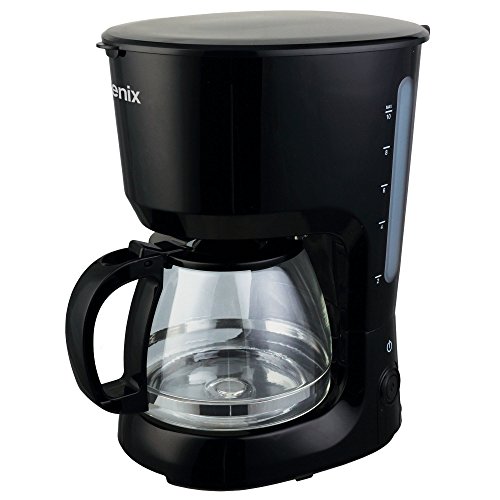
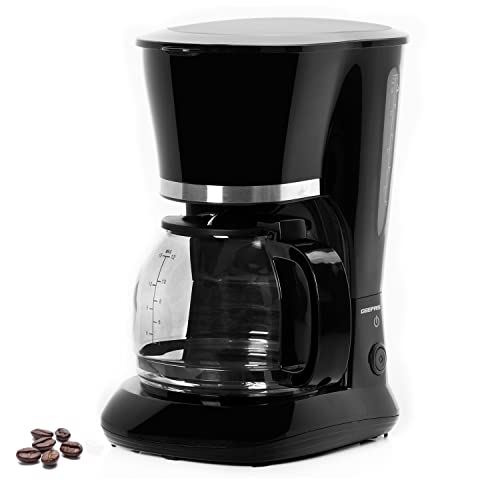
A drip coffee maker is a device that seeps water through ground and roasted coffee beans that are contained in a filter. The water passes through the grounds under the force of gravity, taking in the oils and essences during the process. The water then falls through the filters before being absorbed into a vessel for collection. This method is able to be used with automatic coffee makers or manually. The specialty coffee scene has taken to it, and it is frequently employed in specialty cafes as well as in competitions. The brewing process differs depending on the kind of equipment used, and there are many variations of the method.
To make the perfect cup of filter coffee, you must first prepare the grinds by rinsing them with hot water and heat the filter. Add the grinds into the filter that you can reuse and then gently tap them to ensure that they are evenly dispersed. Then, moisten the filter with a small amount of hot water to get rid of any papery flavor. This will prevent channelling - when coffee grounds rise up and out of the filter. Pour the water in a circle instead of a swift flow. This will prevent the coffee from becoming bitter because of excessive extraction.
Once the coffee grounds are properly tamped, start by heating water in a kettle to about 200ml per cup. You can also use filtered or bottled water for this step, but make sure that the water is of high quality. Once the water has cooled to a safe temperature, begin the process of brewing by pouring it over the coffee grounds in your mug. It is important to note that the temperature of the water is essential to obtaining the best flavor. you can follow this guide for coffee brewing to determine the ideal temperature of water for your particular grounds.
You must test to determine the most suitable cup of filter-coffee that suits your preferences. A shorter brew time will result in under-extraction, while an extended brew could cause over-extraction.
Health benefits
You've probably heard that coffee can boost your metabolism, bringing you more energy. Did you realize that the method of brewing can affect the amount of caffeine you drink? Drip filter coffee has been linked with health benefits, such as lower cholesterol and a decrease in type 2 diabetes risk. According to a recent study drip-filter coffee could be the best method to get your daily dose.
In a Norwegian study researchers compared filtered coffee with unfiltered and discovered that those who consumed two to four cups of coffee filtered each day were less likely by 12 percent to die from cardiovascular disease than those who didn't drink coffee. Researchers concluded that the difference between mortality rates was due to differences in the levels of cholesterol-raising phytochemicals in coffee. Unfiltered coffee, such as the one made using a Turkish or French press is more enriched with cafestol and kahweol, which are known to increase cholesterol. The process of filtration used in drip coffee removes these phytochemicals. This could explain why filtered coffee is associated with a lower rate of mortality.
 Another reason to drink the filter coffee cup is healthier is because it has less calories and less caffeine than other varieties of coffee. This is due to the fact that the water flows through the roasted coffee filter maker beans before it reaches your cup. In addition, drip filter coffee has a mild flavor espresso and filter coffee machine is less acidic than other types of coffee that are brewed.
It is crucial to keep in mind that filter coffee should be consumed in moderation. A large amount of coffee can lead to insomnia, high blood pressure anxiety, anxiety, gastroesophageal respiratory disorder, and heart arrhythmias. People suffering from particular medical conditions are advised against drinking coffee, such as those with endometrial and liver carcinomas, Parkinson's disease, and other depression-related disorders.
A cup of filter coffee can boost your mood and aid in focusing. It's also a good choice for people who are following a low-carb diet as it can help you stay full.
Drip filter coffee is a very popular method to make coffee in a pot. It's easy to use and requires less hands-on effort than pouring over.
It also offers consistency, which can be helpful for those who drink coffee. What exactly is drip filter coffee? What is it that makes it different from other brewing methods?
Paper filter
Paper filters are commonly used to make drip coffee. They are cheap and simple to use, and they make the perfect cup of coffee with minimal residue or sediment. Biodegradable and easy to use they are a great option for those who care about the environment. However they are more prone than other products to odors and flavors so it is crucial to wash them after each use.
When choosing a filter you should take into consideration the thickness, size, and color. Filters with a darker, thicker layer tend to trap more micro-grounds and oils than brighter, lighter filters. This can alter the flavor of the final beverage by affecting the mouthfeel and body. You should also consider the material the filter is made of, since this will impact its performance and longevity.
Paper filters are made from wood pulp or plant fibers. These fibers have a tightly weave, so they will absorb the majority of micro-grounds and oils from the brewed coffee. This is a good thing, but it can affect the taste of the coffee. This is why a lot of baristas and home coffee drinkers prefer to soak their filter papers with hot water prior to making their coffee. This helps to rinse off any flavor that is papery and also heats the filter as well as your serving vessel.The best filters for paper are made of high-quality materials and have a tiny pores. They will also be chlorine-free or oxygen bleached. This will reduce the amount of chlorine released into the process of brewing and can result in better tasting and healthier cup of coffee. They are reusable and can be used for up to 100 times before they start to transfer flavors from other countries or clog.
There are many styles of coffee filter available, and each type offers distinct advantages. One of the most sought-after is the cone-shaped filter created by Melitta in 1908. This is the most common shape that you will see in a lot of drip coffee machines brewing machines today. This filter type allows the most coffee oil to flow through, resulting in an alcoholic beverage that is more robust and rich. However, this type of filter can also increase the levels of cafestol and kahweol that are present in the resulting beverage.
Metal filter
Metal filters are popular in pour-over coffee makers. They allow more of the coffee's oils to pass through, which creates an effervescent cup of coffee with more body than a paper filter. Metal filters can also be reused and are more environmentally sustainable than disposable paper filters. Metal filters are only suitable for manual brews, such as pour-over. Doing so could cause the coffee to spill over and cause a bitter taste. Additionally, the stainless steel mesh may react with certain components in coffee, which can cause a metallic taste or strong odor.
Metal filters aren't like paper filters. They are made of stainless steel, and they don't absorb coffee grounds. As a result, they are able to eliminate more of the cafetol and kahweol that are present in the coffee beans. These diterpenes are associated with a number of health risks, such as high blood pressure and heart attacks. They can also obstruct blood flow through your veins and increase the risk of having a stroke. A filter made of metal can help reduce the amount of cafetol and kahweol that is present in your coffee.
Another benefit of a filter made of metal is that it will eliminate the unpleasant taste of tin and lead in your coffee. It can also help you brew a cup that is free of sludge and other contaminants. It is best to try out a few different filters before settling on one that's right for you.
The best filter will be contingent on a number of aspects, such as the method of brewing used and your personal preferences. It is also important to take into consideration your health and sustainability goals. Paper filters are the most suitable choice for those who drink coffee and have health issues. On the other hand, if you are a coffee enthusiast who is committed to sustainability and wants to have a full-bodied cup coffee, then a metal filter is a good option for you.
The process of brewing
A drip coffee maker is a device that seeps water through ground and roasted coffee beans that are contained in a filter. The water passes through the grounds under the force of gravity, taking in the oils and essences during the process. The water then falls through the filters before being absorbed into a vessel for collection. This method is able to be used with automatic coffee makers or manually. The specialty coffee scene has taken to it, and it is frequently employed in specialty cafes as well as in competitions. The brewing process differs depending on the kind of equipment used, and there are many variations of the method.
To make the perfect cup of filter coffee, you must first prepare the grinds by rinsing them with hot water and heat the filter. Add the grinds into the filter that you can reuse and then gently tap them to ensure that they are evenly dispersed. Then, moisten the filter with a small amount of hot water to get rid of any papery flavor. This will prevent channelling - when coffee grounds rise up and out of the filter. Pour the water in a circle instead of a swift flow. This will prevent the coffee from becoming bitter because of excessive extraction.
Once the coffee grounds are properly tamped, start by heating water in a kettle to about 200ml per cup. You can also use filtered or bottled water for this step, but make sure that the water is of high quality. Once the water has cooled to a safe temperature, begin the process of brewing by pouring it over the coffee grounds in your mug. It is important to note that the temperature of the water is essential to obtaining the best flavor. you can follow this guide for coffee brewing to determine the ideal temperature of water for your particular grounds.
You must test to determine the most suitable cup of filter-coffee that suits your preferences. A shorter brew time will result in under-extraction, while an extended brew could cause over-extraction.
Health benefits
You've probably heard that coffee can boost your metabolism, bringing you more energy. Did you realize that the method of brewing can affect the amount of caffeine you drink? Drip filter coffee has been linked with health benefits, such as lower cholesterol and a decrease in type 2 diabetes risk. According to a recent study drip-filter coffee could be the best method to get your daily dose.
In a Norwegian study researchers compared filtered coffee with unfiltered and discovered that those who consumed two to four cups of coffee filtered each day were less likely by 12 percent to die from cardiovascular disease than those who didn't drink coffee. Researchers concluded that the difference between mortality rates was due to differences in the levels of cholesterol-raising phytochemicals in coffee. Unfiltered coffee, such as the one made using a Turkish or French press is more enriched with cafestol and kahweol, which are known to increase cholesterol. The process of filtration used in drip coffee removes these phytochemicals. This could explain why filtered coffee is associated with a lower rate of mortality.
Another reason to drink the filter coffee cup is healthier is because it has less calories and less caffeine than other varieties of coffee. This is due to the fact that the water flows through the roasted coffee filter maker beans before it reaches your cup. In addition, drip filter coffee has a mild flavor espresso and filter coffee machine is less acidic than other types of coffee that are brewed.It is crucial to keep in mind that filter coffee should be consumed in moderation. A large amount of coffee can lead to insomnia, high blood pressure anxiety, anxiety, gastroesophageal respiratory disorder, and heart arrhythmias. People suffering from particular medical conditions are advised against drinking coffee, such as those with endometrial and liver carcinomas, Parkinson's disease, and other depression-related disorders.
A cup of filter coffee can boost your mood and aid in focusing. It's also a good choice for people who are following a low-carb diet as it can help you stay full.
- 이전글You're Welcome. Here are eight Noteworthy Recommendations on 撥筋課程 24.07.04
- 다음글Los Angeles Laser Eye Surgery: Increase During Technique? 24.07.04
댓글목록
등록된 댓글이 없습니다.

