Ten Apps To Help Control Your Commercial Espresso Machine
페이지 정보

본문
What to Look For in a Commercial Espresso Machine
There are a variety of factors to consider when purchasing an espresso machine for commercial use. The type of espresso machine that is right for your cafe will be determined by the quantity and the purpose for which it is used, and barista skills.
Double boiler systems offer the ability to brew and steam simultaneously. This cuts down on the time to recover between pulls. Proportional-integral-derivative (PID) temperature control manages on/off cycles for optimal boiler temperatures.
Productivity
A commercial espresso machine can handle a higher volume of coffee than an home machine. A domestic espresso machine to function in a professional environment would be an unintentional recipe for disaster.
A commercial machine that is of top quality will be able to serve up to 100 cups per hour at peak times. This can be a great help in busy offices, as it keeps employees from waiting around to get their coffee.
A coffee machine can also aid workers in bonding. Teams of people usually are able to take turns ordering coffee for each other, which can help to encourage collaboration and teamwork in the workplace. A dedicated coffee area can help new employees feel more at ease in their workplace and help break down barriers between them, senior employees and other employees.
Commercial espresso machines are available in a variety of sizes to suit a variety of requirements. Certain models are fully automated and others are able to pre-program espresso shots so that operators aren't required to guess the right size. This is particularly important for businesses with untrained baristas as inaccurate shots can drastically affect the intensity and flavor of espresso. Additionally, it's recommended to purchase ethically sourced and commercial espresso machines which support the communities in which coffee is grown. This will guarantee a high quality product that will minimize the negative impact on the environment.
Safety
Espresso machines are big, heavy pieces of equipment that can cost more than a brand new compact car. They are designed to make hundreds of shots and drinks in one day. Commercial espresso machines could pose particular health and safety hazards to employees due to their high production.
It's important to keep in mind that a commercial espresso machine is likely to be operating with warm water, which could increase the growth of bacteria. A machine that isn't maintained properly and isn't cleaned or descaled regularly may start to accumulate spent espresso, which can turn rancid and could potentially cause illnesses if consumed by customers. A commercial espresso machine with a steam wand that is not sealed may allow bacteria to flourish in the milk the frothing process.
Think about the kind of beverage you'll serve and how many cups per hour of your space can hold when choosing a commercial-grade coffee espresso machine machine. You'll also want a machine that offers automated features, which makes it simpler and quicker to serve your patrons their preferred coffee drink. Additionally, look for a warranty that covers parts and labor so that any technical issues can be resolved quickly and efficiently.
Energy Efficiency
Commercial espresso machines require considerably more power than home models. Professional espresso machines are heavier and come with larger boilers to accommodate multiple group heads for normal cafe production. These machines operate at a higher temperature, and are usually located indoors (such as in a cafe or Coffeee restaurant) where the electronic components may overheat.
The boiler of commercial espresso machines heats and holds pressurized drinking water supplied by an electric pump. This water is used to make steam and brew espresso. The boiler is comprised of multiple copper tubes heated by electric elements. If the brew sensor detects that the water level has reached the target level the solenoid valve will open and fills the boiler with new water. The heating element is then turned off.
There are four distinct types of espresso machines. They differ in their capacity to be brewed or steamed the coffee: TB (brewing-only), TX (twin-boilers) HX (double automatic) and DA (double automated). TB and TX machines ensure stable brew temperatures, while DA allows rapid steaming from one boiler. HX machines are being used by many cafes since they offer the best in steam and brew temperature.
Maintenance
Commercial espresso machines need regular maintenance just like cars. They need to be maintained to function efficiently and smoothly. If you keep your machine in good condition you will get better tasting coffee and it will last longer.
It's a daily ritual to clean your espresso machine, however you should also be aware of the parts that need a deeper clean. There are traces of coffee grounds and other milk products that can cause the machine to breakdown over time. Regular cleaning helps to prevent this and keeps your espresso machine working at optimally.
The majority of commercial espresso machines require descaling every three months. This procedure requires a few additional steps when compared to normal cleaning. You'll want review your De'Longhi Stilosa Manual Espresso Machine: Coffee Lover's Dream to ensure you follow the directions. The solution used for descaling the tank dissolves the scale. In order to complete this process, you'll need to put an unfilled container under the steam wand and, in some units, under the coffee spouts. Follow the instructions for the model you have.
A water filter change is an additional maintenance procedure. It's easy to overlook however it's important not to build up mineral deposits. You'll also want to check for calcification within the spray head, which can be difficult to get rid of.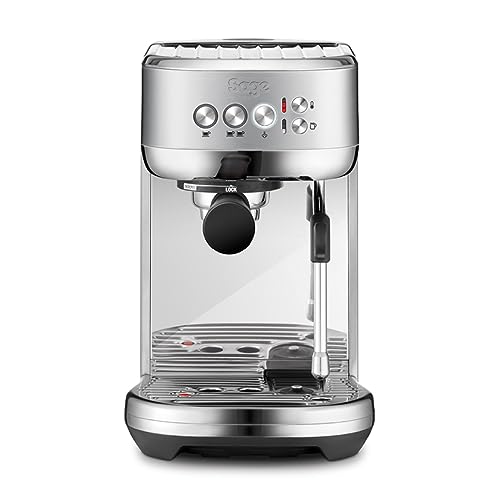
There are a variety of factors to consider when purchasing an espresso machine for commercial use. The type of espresso machine that is right for your cafe will be determined by the quantity and the purpose for which it is used, and barista skills.
Double boiler systems offer the ability to brew and steam simultaneously. This cuts down on the time to recover between pulls. Proportional-integral-derivative (PID) temperature control manages on/off cycles for optimal boiler temperatures.
Productivity
A commercial espresso machine can handle a higher volume of coffee than an home machine. A domestic espresso machine to function in a professional environment would be an unintentional recipe for disaster.
A commercial machine that is of top quality will be able to serve up to 100 cups per hour at peak times. This can be a great help in busy offices, as it keeps employees from waiting around to get their coffee.
A coffee machine can also aid workers in bonding. Teams of people usually are able to take turns ordering coffee for each other, which can help to encourage collaboration and teamwork in the workplace. A dedicated coffee area can help new employees feel more at ease in their workplace and help break down barriers between them, senior employees and other employees.
Commercial espresso machines are available in a variety of sizes to suit a variety of requirements. Certain models are fully automated and others are able to pre-program espresso shots so that operators aren't required to guess the right size. This is particularly important for businesses with untrained baristas as inaccurate shots can drastically affect the intensity and flavor of espresso. Additionally, it's recommended to purchase ethically sourced and commercial espresso machines which support the communities in which coffee is grown. This will guarantee a high quality product that will minimize the negative impact on the environment.
Safety
Espresso machines are big, heavy pieces of equipment that can cost more than a brand new compact car. They are designed to make hundreds of shots and drinks in one day. Commercial espresso machines could pose particular health and safety hazards to employees due to their high production.
It's important to keep in mind that a commercial espresso machine is likely to be operating with warm water, which could increase the growth of bacteria. A machine that isn't maintained properly and isn't cleaned or descaled regularly may start to accumulate spent espresso, which can turn rancid and could potentially cause illnesses if consumed by customers. A commercial espresso machine with a steam wand that is not sealed may allow bacteria to flourish in the milk the frothing process.
Think about the kind of beverage you'll serve and how many cups per hour of your space can hold when choosing a commercial-grade coffee espresso machine machine. You'll also want a machine that offers automated features, which makes it simpler and quicker to serve your patrons their preferred coffee drink. Additionally, look for a warranty that covers parts and labor so that any technical issues can be resolved quickly and efficiently.
Energy Efficiency
Commercial espresso machines require considerably more power than home models. Professional espresso machines are heavier and come with larger boilers to accommodate multiple group heads for normal cafe production. These machines operate at a higher temperature, and are usually located indoors (such as in a cafe or Coffeee restaurant) where the electronic components may overheat.
The boiler of commercial espresso machines heats and holds pressurized drinking water supplied by an electric pump. This water is used to make steam and brew espresso. The boiler is comprised of multiple copper tubes heated by electric elements. If the brew sensor detects that the water level has reached the target level the solenoid valve will open and fills the boiler with new water. The heating element is then turned off.
There are four distinct types of espresso machines. They differ in their capacity to be brewed or steamed the coffee: TB (brewing-only), TX (twin-boilers) HX (double automatic) and DA (double automated). TB and TX machines ensure stable brew temperatures, while DA allows rapid steaming from one boiler. HX machines are being used by many cafes since they offer the best in steam and brew temperature.
Maintenance
Commercial espresso machines need regular maintenance just like cars. They need to be maintained to function efficiently and smoothly. If you keep your machine in good condition you will get better tasting coffee and it will last longer.
It's a daily ritual to clean your espresso machine, however you should also be aware of the parts that need a deeper clean. There are traces of coffee grounds and other milk products that can cause the machine to breakdown over time. Regular cleaning helps to prevent this and keeps your espresso machine working at optimally.
The majority of commercial espresso machines require descaling every three months. This procedure requires a few additional steps when compared to normal cleaning. You'll want review your De'Longhi Stilosa Manual Espresso Machine: Coffee Lover's Dream to ensure you follow the directions. The solution used for descaling the tank dissolves the scale. In order to complete this process, you'll need to put an unfilled container under the steam wand and, in some units, under the coffee spouts. Follow the instructions for the model you have.
A water filter change is an additional maintenance procedure. It's easy to overlook however it's important not to build up mineral deposits. You'll also want to check for calcification within the spray head, which can be difficult to get rid of.
- 이전글All-In on Fun: The Glamorous World of Online Casinos Unveiled! 24.07.03
- 다음글Considerations To Understand About daterape 24.07.03
댓글목록
등록된 댓글이 없습니다.

