Guide To Multi Fuel Boiler Stove: The Intermediate Guide The Steps To …
페이지 정보

본문
Multi Fuel Boiler Stove
Multi fuel boiler stoves are engineered to burn a wide range of wood, smokeless fuel and coal. They can be connected to your current heating system to save money.
The grate should be removed when burning coal to allow air from below to reach the fire. Some multi fuel stoves feature a riddling grate and asphan to facilitate this.
Energy Efficiency
A multi fuel stove can burn a variety of different kinds of solid fuels, including peat and turf briquettes, smokeless coal and anthracite. They can also burn logs. They are more adaptable than wood-burning stoves since they can be used with a range of fuels.
Most modern Ecodesign stoves are ecodesign-compliant and have an overall efficiency of 80 percent or more. This means that they produce very little CO2 emissions and aid in meeting SAP energy requirements for primary heating. In the UK the majority of homes utilize a wood-burning multifuel stove to warm the living area and a central heating system as the primary source of heating. It is typically complemented by a secondary type of heating like convection or air heating water stove.
The efficiency of the stove is important, as it reflects how much heat is delivered to your home. It should not be confused with the stove's combustion efficiency that is displayed on the side. The efficiency of combustion is based on how efficient the stove was in a laboratory test. It is not a reflection of the efficiency of the whole system of chimney, stove and fuel. It is not equivalent to System Efficiency which is the number that should be quoted.
In their marketing materials, stove manufacturers often refer to the efficiency of combustion instead of System Efficiency. This is a mistake. Rather than being a measure of how well the stove performed in a lab test, System Efficiency is a calculation of the energy-based total emissivities (TE) from the stove and the fuel when it is in use in a home.
Note that the TE of a certain combination of stove and fuel is determined by the volatile matter content of the solid fuel, since it will determine if particulate-bound pollutant (e.g. The PM2.5, EC, and BaPeq ) are released by the fuel during ignition or are retained in the pyrolysis phase. If the volatile matter is left in the pyrolysis phase it releases carbonaceous particles that aren't bound efficiently and contribute to the total emissivities.
Low Maintenance
Contrary to catalytic stoves, which need to be constantly monitored Non-catalytic multi fuel stoves are designed to be simple to operate and require little maintenance. They are less costly and utilize a pre-heated combustion air system to improve the performance of the stove. They can burn various solid fuels, including smokeless coal and have an air control that lets you manage the speed at which the fire is burning. This lets you create more efficient and efficient fire with better flame spread and lower emissions.
You will need to refill your stove every 10-14 hours, based on how you make use of it. It is also necessary to empty the ash pan frequently. If you are using smokeless coal, this needs special attention because the ash needs to be riddled to prevent it blocking the combustion air passages and depriving the fuel oxygen. This can be accomplished with an instrument that resembles a pitchfork.
BTU ratings are a good indicator of the power of a multi-fuel stove. They shouldn't, however, be the only thing you consider when comparing different models. Other factors, such as burner size and weight, can have an impact on performance.
Modern multi-fuel stoves are able to use various liquid fuels including white gas, kerosene and isobutane. This flexibility makes them perfect for backpacking trips, especially in remote areas where canister fuel might not be readily available.
Liquid-fuel multifuel stoves are usually manually-pressurized and typically come with a regulator to help you regulate how much fuel is being used. They are also more efficient than stoves that use canister fuel and perform well in cold temperatures and at higher altitudes.
Some multi-fuel stoves are able to be used with wood. This lets you become more independent by reducing the need to purchase fuel. It is important to keep in mind that using a wood-burning stove with multi-fuel stoves can result in more harmful emissions. This is not recommended unless you take the appropriate precautions.
Thermostat Control
When it comes to multi-fuel stoves one of the most popular is a boiler stove. It's a great option for those who want the stove to heat their water as well as their room. The boiler stove can heat water tanks inside the stove, or it can be connected to an oil or gas central heating system to boost its heat output. The capability to burn various solid fuels also means that these types of stoves can be used in smoke-free areas which makes them a great option for homes in urban areas.
Most modern stoves can provide thermostat controls that allow the user to manually adjust the amount of fuel burned, which then determines the quantity of heat generated. This feature can help to save money by making sure that as much heat as is possible is produced for each fuel utilized.
Boiler stoves work with a variety of fuel types like wood, peat, and Multi Fuel Boiler Stove smokeless coal. The majority of multifuel stove with back boiler stoves allow you to select between various fuels when creating an fire. This is due to the fact that different types of fuel require slightly different airflows to burn properly.
Smokeless coal for example requires combustion air to pass through. The majority of multi-fuel stoves have an open or partly riddling grates that are open to allow this air to pass. This grate should be cleaned regularly to avoid the buildup of ash that can cause the fire die.
All multifuel stoves, regardless of whether they are a boiler stove or not, will be capable of transferring some of their heat to the domestic hot water tank. The amount of hot water a stove can provide will differ based on the model. However, in general they can power up to eight standard-sized radiators. Some models, like the Stovax View 8 are able to do this with an output of up to 4.9kW for the room and 8.2kW for the boiler. This is enough to heat the majority of domestic sized radiators.
Smoke-Controlled Areas: Suitable for this product
Multi fuel stoves are a great option for those who live in areas with smoke control since they can burn a variety non-smoking fuels. This means you can avoid the necessity to store and transport logs or briquettes, which aren't always readily available, or go further away to buy the items. The multi-fuel stoves are also more modern than their open fire counterparts and are available in a variety of sizes that can be tailored to homes with various designs for interiors.
These stoves are DEFRA approved or exempted solid fuel appliances and are tested for strict emission limits. This is especially applicable when burning "smokeless" fuels. These stoves are ideal for those who reside in a city that has a lot of smoke-producing structures. They can reduce the amount of black fumes produced by your heating system.
A DEFRA-approved stove is able to burn various solid fuels including anthracite or smokeless Briquettes. However, certain kinds of fuel cannot be burnt at all and it is illegal to use certain types of fuels unless you have possession of a smoke control exemption certificate.
Based on the model, this type of stove can be adapted for gas or oil sealed heating systems, or underfloor heating. They could also come with a system to allow them to be connected with solar panels or other renewable energy sources, again dependent on the specific model.
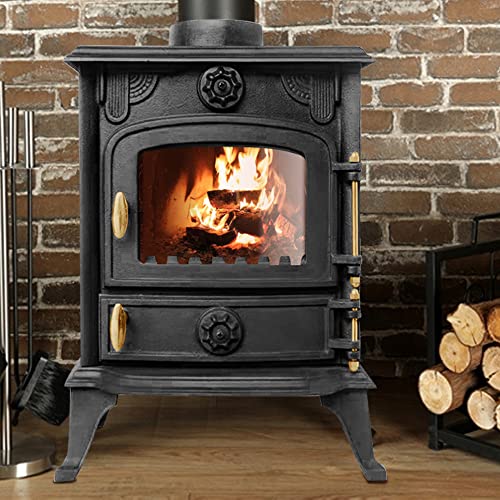 A multi-fuel boiler stove has a window through which you can see the fire and the flue which draws and expels combustion gases from the appliance. There will also be a fire grate where you can put your fuel on and the air supply to the flames is controlled with an adjustable slider that is located at the bottom of the stove door. Some models have a secondary air flow system which introduces pre-heated secondary or tertiary air into the chamber above the fuel bed. This helps to reduce emissions by burning off any unburnt hydrocarbons within the smoke before it vents upwards into the chimney system.
Multi fuel boiler stoves are engineered to burn a wide range of wood, smokeless fuel and coal. They can be connected to your current heating system to save money.
The grate should be removed when burning coal to allow air from below to reach the fire. Some multi fuel stoves feature a riddling grate and asphan to facilitate this.
Energy Efficiency
A multi fuel stove can burn a variety of different kinds of solid fuels, including peat and turf briquettes, smokeless coal and anthracite. They can also burn logs. They are more adaptable than wood-burning stoves since they can be used with a range of fuels.
Most modern Ecodesign stoves are ecodesign-compliant and have an overall efficiency of 80 percent or more. This means that they produce very little CO2 emissions and aid in meeting SAP energy requirements for primary heating. In the UK the majority of homes utilize a wood-burning multifuel stove to warm the living area and a central heating system as the primary source of heating. It is typically complemented by a secondary type of heating like convection or air heating water stove.
The efficiency of the stove is important, as it reflects how much heat is delivered to your home. It should not be confused with the stove's combustion efficiency that is displayed on the side. The efficiency of combustion is based on how efficient the stove was in a laboratory test. It is not a reflection of the efficiency of the whole system of chimney, stove and fuel. It is not equivalent to System Efficiency which is the number that should be quoted.
In their marketing materials, stove manufacturers often refer to the efficiency of combustion instead of System Efficiency. This is a mistake. Rather than being a measure of how well the stove performed in a lab test, System Efficiency is a calculation of the energy-based total emissivities (TE) from the stove and the fuel when it is in use in a home.
Note that the TE of a certain combination of stove and fuel is determined by the volatile matter content of the solid fuel, since it will determine if particulate-bound pollutant (e.g. The PM2.5, EC, and BaPeq ) are released by the fuel during ignition or are retained in the pyrolysis phase. If the volatile matter is left in the pyrolysis phase it releases carbonaceous particles that aren't bound efficiently and contribute to the total emissivities.
Low Maintenance
Contrary to catalytic stoves, which need to be constantly monitored Non-catalytic multi fuel stoves are designed to be simple to operate and require little maintenance. They are less costly and utilize a pre-heated combustion air system to improve the performance of the stove. They can burn various solid fuels, including smokeless coal and have an air control that lets you manage the speed at which the fire is burning. This lets you create more efficient and efficient fire with better flame spread and lower emissions.
You will need to refill your stove every 10-14 hours, based on how you make use of it. It is also necessary to empty the ash pan frequently. If you are using smokeless coal, this needs special attention because the ash needs to be riddled to prevent it blocking the combustion air passages and depriving the fuel oxygen. This can be accomplished with an instrument that resembles a pitchfork.
BTU ratings are a good indicator of the power of a multi-fuel stove. They shouldn't, however, be the only thing you consider when comparing different models. Other factors, such as burner size and weight, can have an impact on performance.
Modern multi-fuel stoves are able to use various liquid fuels including white gas, kerosene and isobutane. This flexibility makes them perfect for backpacking trips, especially in remote areas where canister fuel might not be readily available.
Liquid-fuel multifuel stoves are usually manually-pressurized and typically come with a regulator to help you regulate how much fuel is being used. They are also more efficient than stoves that use canister fuel and perform well in cold temperatures and at higher altitudes.
Some multi-fuel stoves are able to be used with wood. This lets you become more independent by reducing the need to purchase fuel. It is important to keep in mind that using a wood-burning stove with multi-fuel stoves can result in more harmful emissions. This is not recommended unless you take the appropriate precautions.
Thermostat Control
When it comes to multi-fuel stoves one of the most popular is a boiler stove. It's a great option for those who want the stove to heat their water as well as their room. The boiler stove can heat water tanks inside the stove, or it can be connected to an oil or gas central heating system to boost its heat output. The capability to burn various solid fuels also means that these types of stoves can be used in smoke-free areas which makes them a great option for homes in urban areas.
Most modern stoves can provide thermostat controls that allow the user to manually adjust the amount of fuel burned, which then determines the quantity of heat generated. This feature can help to save money by making sure that as much heat as is possible is produced for each fuel utilized.
Boiler stoves work with a variety of fuel types like wood, peat, and Multi Fuel Boiler Stove smokeless coal. The majority of multifuel stove with back boiler stoves allow you to select between various fuels when creating an fire. This is due to the fact that different types of fuel require slightly different airflows to burn properly.
Smokeless coal for example requires combustion air to pass through. The majority of multi-fuel stoves have an open or partly riddling grates that are open to allow this air to pass. This grate should be cleaned regularly to avoid the buildup of ash that can cause the fire die.
All multifuel stoves, regardless of whether they are a boiler stove or not, will be capable of transferring some of their heat to the domestic hot water tank. The amount of hot water a stove can provide will differ based on the model. However, in general they can power up to eight standard-sized radiators. Some models, like the Stovax View 8 are able to do this with an output of up to 4.9kW for the room and 8.2kW for the boiler. This is enough to heat the majority of domestic sized radiators.
Smoke-Controlled Areas: Suitable for this product
Multi fuel stoves are a great option for those who live in areas with smoke control since they can burn a variety non-smoking fuels. This means you can avoid the necessity to store and transport logs or briquettes, which aren't always readily available, or go further away to buy the items. The multi-fuel stoves are also more modern than their open fire counterparts and are available in a variety of sizes that can be tailored to homes with various designs for interiors.
These stoves are DEFRA approved or exempted solid fuel appliances and are tested for strict emission limits. This is especially applicable when burning "smokeless" fuels. These stoves are ideal for those who reside in a city that has a lot of smoke-producing structures. They can reduce the amount of black fumes produced by your heating system.
A DEFRA-approved stove is able to burn various solid fuels including anthracite or smokeless Briquettes. However, certain kinds of fuel cannot be burnt at all and it is illegal to use certain types of fuels unless you have possession of a smoke control exemption certificate.
Based on the model, this type of stove can be adapted for gas or oil sealed heating systems, or underfloor heating. They could also come with a system to allow them to be connected with solar panels or other renewable energy sources, again dependent on the specific model.
A multi-fuel boiler stove has a window through which you can see the fire and the flue which draws and expels combustion gases from the appliance. There will also be a fire grate where you can put your fuel on and the air supply to the flames is controlled with an adjustable slider that is located at the bottom of the stove door. Some models have a secondary air flow system which introduces pre-heated secondary or tertiary air into the chamber above the fuel bed. This helps to reduce emissions by burning off any unburnt hydrocarbons within the smoke before it vents upwards into the chimney system.- 이전글Why Do So Many People Want To Know About Bunk Bed In My Area? 24.04.29
- 다음글10 Things You Learned In Preschool, That'll Aid You In Poker Online 24.04.29
댓글목록
등록된 댓글이 없습니다.

