How To Get A Modern Tiny House?
페이지 정보

본문
Introduction:
The concept of little house building has actually gained significant interest recently. This housing trend signifies a shift towards more renewable and minimalist residing arrangements. Constructing a little home involves creating a tight, useful, and eco-friendly living space that meets the average person requirements and values of the residents. This report aims to offer a summary regarding the crucial areas of tiny home building and its particular developing appeal.
Design and properties:
Small homes are typically no larger than 500 sqft and sometimes incorporate innovative space-saving solutions. The look of a tiny home focuses on maximizing functionality and effectiveness without sacrificing convenience. Crucial functions include loft spaces, multipurpose furnishings, collapsible tables, and smart storage space solutions. Unique styles ensure that every readily available inch is utilized effortlessly, permitting an appropriate living experience within a finite area.
Sustainability and Affordability:
 One of many reasons for the increasing popularity of Tiny House on Wheels home construction is its possibility ecological durability. Little homes generally have a smaller sized environmental impact when compared with old-fashioned homes. These houses require less building materials, consume less power for cooling and heating, and reduce liquid consumption. Numerous little houses are designed using sustainable products such as for example reclaimed wood, recycled insulation, and green appliances. In addition, the smaller area encourages a far more conscious and minimalistic lifestyle, lowering general usage.
Additionally, tiny homes tend to be less expensive versus old-fashioned domiciles. Lower building costs and reduced upkeep expenses cause them to appealing alternatives for people seeking to lower their particular financial burdens. Tiny houses can provide home owners the chance to downsize their particular belongings and mortgage while offering these with greater economic freedom.
Mobility and Flexibility:
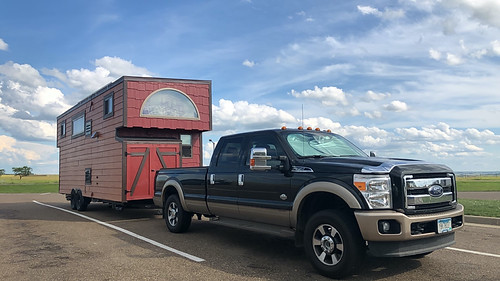
Another attractive aspect of little home building is the possibility flexibility. Numerous small homes are made on trailers, permitting people to relocate their particular domiciles quickly. This flexibility is especially popular with those that prefer a nomadic way of life or desire the flexibility to live in several places. Tiny houses are towed behind a vehicle, allowing home owners to explore brand-new surroundings and never have to spend money on real estate. The freedom to go therefore the capability to change locations provide a unique sense of adventure and flexibility for tiny house owners.
Challenges and laws:
While there are numerous benefits to tiny home construction, it's important to recognize the challenges and laws involving building and living in a tiny household. Many jurisdictions have strict zoning legislation and building codes that may limit or avoid the building of small homes. Zoning regulations usually require at least square footage for domestic properties, making little houses non-compliant in certain areas. Also, usage of basic amenities like liquid, electrical energy, and sewage could be difficult in rural or undeveloped areas.
Conclusion:
Small home construction presents a growing trend in sustainable lifestyle. The design and attributes of these homes prioritize functionality, efficiency, and environmental awareness. Affordability, transportation, and versatility tend to be extra facets that contribute to the increasing popularity of little household living. However, it is essential for potential builders and residents assuring they truly are completely aware of the local regulations and challenges involving small homes. As more individuals look for alternative living plans and a far more lasting lifestyle, industry for tiny household construction is expected to continue to expand in the following many years.
The concept of little house building has actually gained significant interest recently. This housing trend signifies a shift towards more renewable and minimalist residing arrangements. Constructing a little home involves creating a tight, useful, and eco-friendly living space that meets the average person requirements and values of the residents. This report aims to offer a summary regarding the crucial areas of tiny home building and its particular developing appeal.
Design and properties:
Small homes are typically no larger than 500 sqft and sometimes incorporate innovative space-saving solutions. The look of a tiny home focuses on maximizing functionality and effectiveness without sacrificing convenience. Crucial functions include loft spaces, multipurpose furnishings, collapsible tables, and smart storage space solutions. Unique styles ensure that every readily available inch is utilized effortlessly, permitting an appropriate living experience within a finite area.
Sustainability and Affordability:
One of many reasons for the increasing popularity of Tiny House on Wheels home construction is its possibility ecological durability. Little homes generally have a smaller sized environmental impact when compared with old-fashioned homes. These houses require less building materials, consume less power for cooling and heating, and reduce liquid consumption. Numerous little houses are designed using sustainable products such as for example reclaimed wood, recycled insulation, and green appliances. In addition, the smaller area encourages a far more conscious and minimalistic lifestyle, lowering general usage.Additionally, tiny homes tend to be less expensive versus old-fashioned domiciles. Lower building costs and reduced upkeep expenses cause them to appealing alternatives for people seeking to lower their particular financial burdens. Tiny houses can provide home owners the chance to downsize their particular belongings and mortgage while offering these with greater economic freedom.
Mobility and Flexibility:
Another attractive aspect of little home building is the possibility flexibility. Numerous small homes are made on trailers, permitting people to relocate their particular domiciles quickly. This flexibility is especially popular with those that prefer a nomadic way of life or desire the flexibility to live in several places. Tiny houses are towed behind a vehicle, allowing home owners to explore brand-new surroundings and never have to spend money on real estate. The freedom to go therefore the capability to change locations provide a unique sense of adventure and flexibility for tiny house owners.
Challenges and laws:
While there are numerous benefits to tiny home construction, it's important to recognize the challenges and laws involving building and living in a tiny household. Many jurisdictions have strict zoning legislation and building codes that may limit or avoid the building of small homes. Zoning regulations usually require at least square footage for domestic properties, making little houses non-compliant in certain areas. Also, usage of basic amenities like liquid, electrical energy, and sewage could be difficult in rural or undeveloped areas.
Conclusion:
Small home construction presents a growing trend in sustainable lifestyle. The design and attributes of these homes prioritize functionality, efficiency, and environmental awareness. Affordability, transportation, and versatility tend to be extra facets that contribute to the increasing popularity of little household living. However, it is essential for potential builders and residents assuring they truly are completely aware of the local regulations and challenges involving small homes. As more individuals look for alternative living plans and a far more lasting lifestyle, industry for tiny household construction is expected to continue to expand in the following many years.
- 이전글How Car Central Lock Repair Has Changed The History Of Car Central Lock Repair 24.04.29
- 다음글13 Things You Should Know About Central Locking Repairs That You Might Not Have Considered 24.04.29
댓글목록
등록된 댓글이 없습니다.

