How To Explain Outdoor Wood Burning Stove To Your Grandparents
페이지 정보

본문
The Craftsmanship of an Outdoor Wood Burning Stove
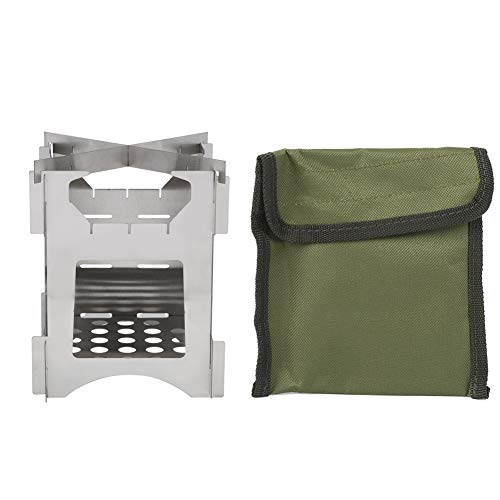 Craftsmanship is an essential factor in the durability and performance outdoor equipment. This stove was designed with this in mind, this stove exudes robustness and resiliency.
It is designed to reduce the amount of smoke produced and can be used for cooking and heating water. This makes it an excellent option for camping trips.
It is recommended to put the stove at a safe distance away from flammable materials.
Versatility
A wood burning stove is a wonderful addition to any home. It can be used as a primary heating source or in conjunction with other heating systems. It is also great for outdoor use, extending your outdoor season and creating the perfect atmosphere to enjoy a night out with friends and family.
Installing an outdoor wood stove is simple. It is constructed from durable materials that can withstand the harsh conditions outdoors and is designed to ensure security. The chimney should be properly insulated to prevent smoke from escaping into your home or creating a fire hazard to nearby trees and trees. An outdoor wood stove fireplace is a better alternative to indoor models that emit harmful levels of indoor air pollution and can pose the risk of fire.
The Guide Gear wood-burning fireplace is an alternative that has numerous advantages. This stove can be used to burn wood, ethanol tablets solidified or hexamine fuel block. It is also able to boil water in just 6 minutes which makes it a great option for outdoor cooking. The stove is also light and compact. This makes it a fantastic option for backpackers who want to reduce the weight and space of their camping gear.
An outdoor wood stove can also be utilized to heat water via a back boiler which will help reduce your energy bill and impact on the environment. This is particularly beneficial in areas where access to coal, oil or gas is not as abundant. However, it is important to keep in mind that outdoor wood stoves aren't as efficient as modern heating equipment and require regular maintenance to function efficiently.
Portability
An outdoor wood burning stove is a great way to keep your tent warm when camping in the great outdoors. It is lightweight and portable so you can take it with you on your adventures. It's also simple to use and maintain. The only drawback is that it takes lots of effort to prepare the fuel. This includes cutting, stacking, and loading. It is also necessary to be seasoned prior to using. This is a great activity for the family to do while camping.
In addition to its durability the stove's design is also striking. Its sleek silhouette and compact frame offer an impressive balance between practicality and visual appeal which makes it the ideal companion for outdoor enthusiasts. In addition it is capable of cooking meals and heating shelters for camping and tents.
The Zorestar stove is an excellent option for those who like the versatility of pellets and wood. It can be used to heat a van, tent, tiny yurt, home, or a tent. The stove has a huge cooking area that can hold pans or pots that are that are up to 8 inches in width.
A wood burning outdoor wood burner stove also produces less smoke than a fireplace or wood burner, which can improve the indoor air quality and reduce the amount of firewood that you have to purchase and cut. The best option is to look for an EPA-certified stove which has advanced combustion technology and other features to reduce emissions. The stoves that are EPA-certified will also save you money on fuel costs and can decrease the frequency your neighbors complain about your wood smokestack.
It's crucial to remember that an OWB still emits a significant amount of harmful pollutants. This is particularly relevant if you're burning wood that hasn't properly seasoned or any other inappropriate materials. NESCAUM notes that enforcement programs have discovered OWBs burning tires, trash bags and railroad ties, among other things. The best way to stop this from happening is to use an EPA-certified stove that conforms to strict emission standards.
Efficiency
A wood-burning stove is the ideal way to heat your home. They provide warm, clean heat that is less expensive than propane or natural gas alternatives. However the effectiveness of outdoor wood stoves can vary greatly based on the kind of wood you select and the way it is prepared. In general, stoves that are more efficient emit less smoke and have more BTU per hour of output.
A basic outdoor wood-burning stove is comprised of an open fire pit, a blower and doors. The doors let you access the firebox for cleaning and maintenance and the blower circulates the hot air. The doors stop the air from blowing out of the firebox and into your living area.
The efficiency of an outdoor wood stove can be affected by the quality of the wood used to make fuel, the method by which it is seasoned, and outdoor wood burner the way it is operated. To ensure maximum efficiency, it is essential to choose kiln dried firewood that has a moisture content of less than 20 percent. Avoid using oiled or painted firewood as they can create pollution and odours. They also contribute to chimney deposits.
The amount of heat generated by the stove when it is operating can also impact its efficiency. The most efficient models utilize preheated air to increase combustion and increase heat. Other models use baffles or Outdoor Wood burner other devices to force the hot gases to travel for a longer distance and allow for a longer time to rest before they fully burn.
Although laboratory emissions tests are an excellent method to determine the overall quality of an appliance, they don't accurately determine the performance of a stove in actual use. In 2015 the EPA removed the default efficiency rating from their list of certified stoves because it was incorrect and misleading.
The average efficiency of an outdoor wood burner is 65% and catalytic stoves have an average of (72%). However, it is important to remember that the efficiency can vary greatly depending on how well the fireplace is maintained and the type of wood used to fuel it. Green wood, for example is moist that can be up to 50 percent more than other types of wood, and therefore requires more energy to boil the water before transferring heat to your home.
Maintenance
Although an outdoor wood burning stove is a great option for a cost-effective alternative to electric heating, it's not without maintenance requirements. With proper care, an OWB will last for a long time. A Regency Professional can clean your stove each year to ensure that it is in good condition and you are in compliance with the local building codes.
The frequency of cleaning a stove that burns wood depends on the amount of time it is used, what kind of stove and what temperature the fires are burning. A stove that is used each day to heat a home must be cleaned at minimum every week, and even more often during the winter. In addition to scooping out the ash daily, it is crucial to examine the flue for creosote accumulation and glaze. If the chimney is not regularly cleaned, creosote can build up and clog the chimney.
To help reduce the buildup of creosote burn only wood that has been allowed to dry out for at least one year. Make sure to use only dry, clean sparks to ignite the fire (such as newspaper or kindling). This will prevent smoldering, which can cause more creosote.
Another essential task in maintaining the fireplace is ensuring that the glass on the fireplace's door remains clear. To remove stubborn glazed creosote, dampen an old flannel and gently scrub the glass's surface. Then, wipe the excess moisture off using a piece of kitchen roll and your glass will be sparkling clean.
It is also recommended to examine the wood stove's air intake vent and chimney cap. It may be necessary to clean the vents frequently in the event that they're blocked by leaves and twigs. A poorly designed ventilation system could also increase the amount of smoke and particulate matter that is released into the air. This can lead to unhealthy levels in the air pollution in the close vicinity and could lead to local DNR warnings. This issue can be reduced by having an outdoor wood boiler that is properly measured, placed and has a ventilation system that provides a draft.
Craftsmanship is an essential factor in the durability and performance outdoor equipment. This stove was designed with this in mind, this stove exudes robustness and resiliency.It is designed to reduce the amount of smoke produced and can be used for cooking and heating water. This makes it an excellent option for camping trips.
It is recommended to put the stove at a safe distance away from flammable materials.
Versatility
A wood burning stove is a wonderful addition to any home. It can be used as a primary heating source or in conjunction with other heating systems. It is also great for outdoor use, extending your outdoor season and creating the perfect atmosphere to enjoy a night out with friends and family.
Installing an outdoor wood stove is simple. It is constructed from durable materials that can withstand the harsh conditions outdoors and is designed to ensure security. The chimney should be properly insulated to prevent smoke from escaping into your home or creating a fire hazard to nearby trees and trees. An outdoor wood stove fireplace is a better alternative to indoor models that emit harmful levels of indoor air pollution and can pose the risk of fire.
The Guide Gear wood-burning fireplace is an alternative that has numerous advantages. This stove can be used to burn wood, ethanol tablets solidified or hexamine fuel block. It is also able to boil water in just 6 minutes which makes it a great option for outdoor cooking. The stove is also light and compact. This makes it a fantastic option for backpackers who want to reduce the weight and space of their camping gear.
An outdoor wood stove can also be utilized to heat water via a back boiler which will help reduce your energy bill and impact on the environment. This is particularly beneficial in areas where access to coal, oil or gas is not as abundant. However, it is important to keep in mind that outdoor wood stoves aren't as efficient as modern heating equipment and require regular maintenance to function efficiently.
Portability
An outdoor wood burning stove is a great way to keep your tent warm when camping in the great outdoors. It is lightweight and portable so you can take it with you on your adventures. It's also simple to use and maintain. The only drawback is that it takes lots of effort to prepare the fuel. This includes cutting, stacking, and loading. It is also necessary to be seasoned prior to using. This is a great activity for the family to do while camping.
In addition to its durability the stove's design is also striking. Its sleek silhouette and compact frame offer an impressive balance between practicality and visual appeal which makes it the ideal companion for outdoor enthusiasts. In addition it is capable of cooking meals and heating shelters for camping and tents.
The Zorestar stove is an excellent option for those who like the versatility of pellets and wood. It can be used to heat a van, tent, tiny yurt, home, or a tent. The stove has a huge cooking area that can hold pans or pots that are that are up to 8 inches in width.
A wood burning outdoor wood burner stove also produces less smoke than a fireplace or wood burner, which can improve the indoor air quality and reduce the amount of firewood that you have to purchase and cut. The best option is to look for an EPA-certified stove which has advanced combustion technology and other features to reduce emissions. The stoves that are EPA-certified will also save you money on fuel costs and can decrease the frequency your neighbors complain about your wood smokestack.
It's crucial to remember that an OWB still emits a significant amount of harmful pollutants. This is particularly relevant if you're burning wood that hasn't properly seasoned or any other inappropriate materials. NESCAUM notes that enforcement programs have discovered OWBs burning tires, trash bags and railroad ties, among other things. The best way to stop this from happening is to use an EPA-certified stove that conforms to strict emission standards.
Efficiency
A wood-burning stove is the ideal way to heat your home. They provide warm, clean heat that is less expensive than propane or natural gas alternatives. However the effectiveness of outdoor wood stoves can vary greatly based on the kind of wood you select and the way it is prepared. In general, stoves that are more efficient emit less smoke and have more BTU per hour of output.
A basic outdoor wood-burning stove is comprised of an open fire pit, a blower and doors. The doors let you access the firebox for cleaning and maintenance and the blower circulates the hot air. The doors stop the air from blowing out of the firebox and into your living area.
The efficiency of an outdoor wood stove can be affected by the quality of the wood used to make fuel, the method by which it is seasoned, and outdoor wood burner the way it is operated. To ensure maximum efficiency, it is essential to choose kiln dried firewood that has a moisture content of less than 20 percent. Avoid using oiled or painted firewood as they can create pollution and odours. They also contribute to chimney deposits.
The amount of heat generated by the stove when it is operating can also impact its efficiency. The most efficient models utilize preheated air to increase combustion and increase heat. Other models use baffles or Outdoor Wood burner other devices to force the hot gases to travel for a longer distance and allow for a longer time to rest before they fully burn.
Although laboratory emissions tests are an excellent method to determine the overall quality of an appliance, they don't accurately determine the performance of a stove in actual use. In 2015 the EPA removed the default efficiency rating from their list of certified stoves because it was incorrect and misleading.
The average efficiency of an outdoor wood burner is 65% and catalytic stoves have an average of (72%). However, it is important to remember that the efficiency can vary greatly depending on how well the fireplace is maintained and the type of wood used to fuel it. Green wood, for example is moist that can be up to 50 percent more than other types of wood, and therefore requires more energy to boil the water before transferring heat to your home.
Maintenance
Although an outdoor wood burning stove is a great option for a cost-effective alternative to electric heating, it's not without maintenance requirements. With proper care, an OWB will last for a long time. A Regency Professional can clean your stove each year to ensure that it is in good condition and you are in compliance with the local building codes.
The frequency of cleaning a stove that burns wood depends on the amount of time it is used, what kind of stove and what temperature the fires are burning. A stove that is used each day to heat a home must be cleaned at minimum every week, and even more often during the winter. In addition to scooping out the ash daily, it is crucial to examine the flue for creosote accumulation and glaze. If the chimney is not regularly cleaned, creosote can build up and clog the chimney.
To help reduce the buildup of creosote burn only wood that has been allowed to dry out for at least one year. Make sure to use only dry, clean sparks to ignite the fire (such as newspaper or kindling). This will prevent smoldering, which can cause more creosote.
Another essential task in maintaining the fireplace is ensuring that the glass on the fireplace's door remains clear. To remove stubborn glazed creosote, dampen an old flannel and gently scrub the glass's surface. Then, wipe the excess moisture off using a piece of kitchen roll and your glass will be sparkling clean.
It is also recommended to examine the wood stove's air intake vent and chimney cap. It may be necessary to clean the vents frequently in the event that they're blocked by leaves and twigs. A poorly designed ventilation system could also increase the amount of smoke and particulate matter that is released into the air. This can lead to unhealthy levels in the air pollution in the close vicinity and could lead to local DNR warnings. This issue can be reduced by having an outdoor wood boiler that is properly measured, placed and has a ventilation system that provides a draft.
- 이전글The Leading Reasons Why People Perform Well In The Nespresso Machine Industry 24.04.28
- 다음글20 Inspirational Quotes About Washer And Dryer Combo In One 24.04.28
댓글목록
등록된 댓글이 없습니다.

