Are You Responsible For A Bagless Self Emptying Robot Vacuum Budget? T…
페이지 정보

본문
Bagless Self Emptying Robot Vacuum
While these robovacs do a good job of removing dust and other debris from the floor, they can be snared by toys, lamp cords and other obstacles. Plus, their small dust bins must be manually emptied after every few cleaning cycles.
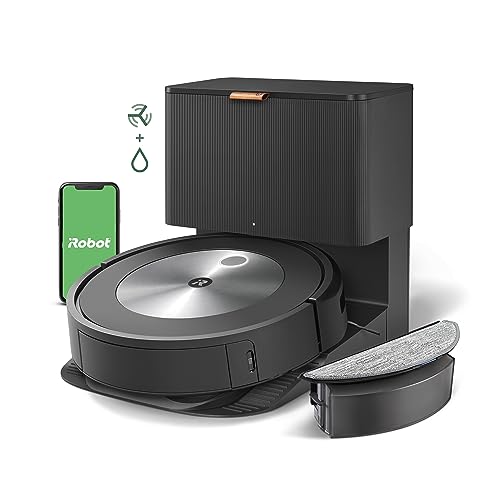 Self-emptying robot vacs will automatically transfer their trash to an internal storage unit, typically with a larger base that can accommodate up to 60 days worth of garbage. This feature is a great upgrade for anyone with a large house or a lot of messiness.
Battery life
The battery life of a robot vacuum is typically measured in the number days or cleaning sessions it can handle on a single charge. This is a good method of assessing its ability to clean. This is also true for the self-emptying models which remove accumulated dirt from their small dustbins and place it in an internal storage bin. This feature is designed to save you from having to empty and refill the bin every time you sweep it to allow you to operate your robot more frequently.
When a robot's trash bin is full, it will return to its charging dock, where the accumulated debris is sucked up in the form of a loud "whoosh" and then tossed into a base canister that is about a foot high which houses a disposable bag. The canister is able to be filled with any variety of garbage bags, but some owners prefer the convenience and environmental friendliness of a bagless system.
During the mapping process, the self-emptying robot vacuum's internal sensors and GPS locate your home and then record its floor plan in an internal map. The robot vacuum uses the map to navigate around your home, cleaning floors and rooms as it goes. These robots are great for cleaning up messes that could have been missed by other robot vacuums, including dirt, dust and hair in places that are difficult to reach, such as under furniture or behind the pet's bed.
These vacuums are also capable of cleaning up wet spills. This is a great feature for families with pets or children. They're also a good option for larger homes because they can cover more ground with each sweep.
To get the most performance from your robot, select one with a large, easy to remove bin and quick recharge time. Also, consider the size of your space to determine the amount of capacity you'll require. If you have a large house, you may prefer dual-battery models that will run for up to two hours. Make sure you regularly clean the rotating brushes of the robot vacuum (especially when you have hair-clinging pets) and wipe down the sensors and charging contacts every now and then. This will extend the life of the vacuum's battery and keep it working at its peak.
App control
A robot vacuum can keep your home tidy but it can't replace a thorough cleaning. Before you let your robot vacuum go ensure that the filters are clean and all cords are out of the way. To ensure that your robovac is operating efficiently, you should empty the bin regularly and clean the charging sensors and contact.
A robotic vacuum uses navigation tools like cameras, sensors, and lasers to navigate around your home. It then collects pet hair, crumbs, and dirt from floors like tile, hardwood and laminate. Advanced models can produce detailed maps of your space and allow you to label rooms and even set up virtual "no-go" zones. Some can even detect stairways and even more affordable models come with boundary strips that block off stairs or other areas that you don't want your robot to enter.
Many of the top robotic vacuums are equipped with smart features that allow them to connect to your tablet or smartphone to control remotes as well as maintenance and bagless self-emptying robot vacuum scheduling guidelines. Some robot vacuums connect to Amazon Alexa or other digital voice assistants to give you an unidirectional experience. Some models have a long battery life as well as quiet modes and attachments for difficult areas.
Self-emptying robot vacuums are useful in larger homes, where it may be difficult to empty the bin every day. If the bin is filled it will stop picking up debris and instead carry all debris that has accumulated on the floor around the base and into its docking station. Certain models come with a large bagless base which can accommodate up to a month's worth of trash. It can be easily empty by simply dragging the trash around the base.
Some robots can also sweep and mop floors which makes them suitable for homes with hard and soft surfaces. Roborock S7 MaxV Ultra is a powerful engine and multi-surface cleaning system, is a good example. It can vacuum and mop effectively. It also has an onboard camera that lets you to see the room in real-time, and a mopping pad that can be empty in the blink of an eye.
Range
A vacuum that is able to empty itself without a bag is a great addition to any home, but especially big homes. It can help you clean your home on a schedule without having to worry about emptying the dustbin every time. It can also prevent the release into the air of dust particles, which is important for those suffering from allergies.
The most effective bagless self-emptying robot vacuums are powerful enough to finish the job in the majority of homes. They employ a combination of specialized sensors and cameras to detect obstacles and avoid them while cleaning. They can also identify the rooms they are in and create virtual "no-go" zones. This will keep your robot from your pet's favorite place or your kids' toys.
Some of the more sophisticated models have self-emptying docks that allow you to keep and empty debris from the trash bin. This is a great benefit for busy parents who are trying to handle their household chores while keeping up with kids and working full-time. A dock with a huge storage capacity will enable you to run your robot vacuum self emptying more often and maintain a cleaner home.
Self-emptying robot vacuums are generally evaluated based on the amount of debris they can hold in their storage, with the majority of models able to hold 30 to 60 days of dirt. They are also evaluated based on how loud they sound when they transfer debris to the dock. This is crucial for those who live in apartments or condominiums.
A smaller trash bin is likely to fill up faster than larger ones, so you'll have to empty it more often. To determine the size of the dustbin that you require and also consider your home's size. If possible, it is best to choose a model with a large capacity to allow you to make use of the bin for a longer period of time.
A bagless self-emptying robot vacuum (the full details) is a great option for families with pets or children, as it will save you the hassle of emptying it every day. However, it's not a good option for high-mess areas like kitchens and dining rooms. It is a challenge for a robotic cleaner to clean areas that are cluttered with food, trash and other items.
Noise
This vacuum comes with a superb navigation system that allows it to skirt around obstacles that frequently trip up other vacuums such as tangled cords and other clutter. It is also a powerful edge cleaner with enough suction to pull dust, debris, pet hair, and dirt from hardwood floors, tile, area rugs, and carpets. The machine is loud when it is in use. When the dust bin is full, it immediately returns to with its charging base to have its accumulated debris sucked away in an eerie whirr. Then it continues on its preprogrammed path.
This feature can be a bit distracting even though it saves you from having to manually empty each robot's tiny bin after cleaning. The noise is more raucous and could wake nearby pets or other people. Look into buying a vacuum with a Quiet Mode, or scheduling robotic vacuuming sessions when you're not home to avoid being disturbed.
A bagless vacuum cleaner that self-empties requires regular maintenance in order to function properly. This includes removing any pet hair caught in the brushes, and emptying their trash bins (or rinsing them if the manufacturer allows it). You should also clean the sensors and cameras of the robot to remove any dirt that might interfere with its ability to view the home.
Certain models of bagless self-emptying robot vacuums include a variety tools for maintenance and cleaning to make these tasks simpler. You should also go through the manual for your robot vacuum to find out about the recommended maintenance procedures. They can differ from model to model.
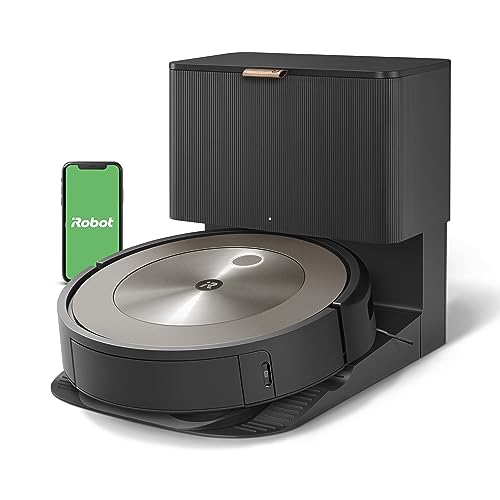 While this category of robot vacuums excels in routine midweek cleans however, they're not a substitute for a plug-in vacuum. The cheapest models may get trapped or tangled in rugs that aren't as heavy and have difficulty navigating tight corners, while the more expensive models can map entire homes and delivering a thorough clean. These robots are simple to operate using smartphones, or voice assistants such as Alexa and Google Assistant.
While these robovacs do a good job of removing dust and other debris from the floor, they can be snared by toys, lamp cords and other obstacles. Plus, their small dust bins must be manually emptied after every few cleaning cycles.
Self-emptying robot vacs will automatically transfer their trash to an internal storage unit, typically with a larger base that can accommodate up to 60 days worth of garbage. This feature is a great upgrade for anyone with a large house or a lot of messiness.Battery life
The battery life of a robot vacuum is typically measured in the number days or cleaning sessions it can handle on a single charge. This is a good method of assessing its ability to clean. This is also true for the self-emptying models which remove accumulated dirt from their small dustbins and place it in an internal storage bin. This feature is designed to save you from having to empty and refill the bin every time you sweep it to allow you to operate your robot more frequently.
When a robot's trash bin is full, it will return to its charging dock, where the accumulated debris is sucked up in the form of a loud "whoosh" and then tossed into a base canister that is about a foot high which houses a disposable bag. The canister is able to be filled with any variety of garbage bags, but some owners prefer the convenience and environmental friendliness of a bagless system.
During the mapping process, the self-emptying robot vacuum's internal sensors and GPS locate your home and then record its floor plan in an internal map. The robot vacuum uses the map to navigate around your home, cleaning floors and rooms as it goes. These robots are great for cleaning up messes that could have been missed by other robot vacuums, including dirt, dust and hair in places that are difficult to reach, such as under furniture or behind the pet's bed.
These vacuums are also capable of cleaning up wet spills. This is a great feature for families with pets or children. They're also a good option for larger homes because they can cover more ground with each sweep.
To get the most performance from your robot, select one with a large, easy to remove bin and quick recharge time. Also, consider the size of your space to determine the amount of capacity you'll require. If you have a large house, you may prefer dual-battery models that will run for up to two hours. Make sure you regularly clean the rotating brushes of the robot vacuum (especially when you have hair-clinging pets) and wipe down the sensors and charging contacts every now and then. This will extend the life of the vacuum's battery and keep it working at its peak.
App control
A robot vacuum can keep your home tidy but it can't replace a thorough cleaning. Before you let your robot vacuum go ensure that the filters are clean and all cords are out of the way. To ensure that your robovac is operating efficiently, you should empty the bin regularly and clean the charging sensors and contact.
A robotic vacuum uses navigation tools like cameras, sensors, and lasers to navigate around your home. It then collects pet hair, crumbs, and dirt from floors like tile, hardwood and laminate. Advanced models can produce detailed maps of your space and allow you to label rooms and even set up virtual "no-go" zones. Some can even detect stairways and even more affordable models come with boundary strips that block off stairs or other areas that you don't want your robot to enter.
Many of the top robotic vacuums are equipped with smart features that allow them to connect to your tablet or smartphone to control remotes as well as maintenance and bagless self-emptying robot vacuum scheduling guidelines. Some robot vacuums connect to Amazon Alexa or other digital voice assistants to give you an unidirectional experience. Some models have a long battery life as well as quiet modes and attachments for difficult areas.
Self-emptying robot vacuums are useful in larger homes, where it may be difficult to empty the bin every day. If the bin is filled it will stop picking up debris and instead carry all debris that has accumulated on the floor around the base and into its docking station. Certain models come with a large bagless base which can accommodate up to a month's worth of trash. It can be easily empty by simply dragging the trash around the base.
Some robots can also sweep and mop floors which makes them suitable for homes with hard and soft surfaces. Roborock S7 MaxV Ultra is a powerful engine and multi-surface cleaning system, is a good example. It can vacuum and mop effectively. It also has an onboard camera that lets you to see the room in real-time, and a mopping pad that can be empty in the blink of an eye.
Range
A vacuum that is able to empty itself without a bag is a great addition to any home, but especially big homes. It can help you clean your home on a schedule without having to worry about emptying the dustbin every time. It can also prevent the release into the air of dust particles, which is important for those suffering from allergies.
The most effective bagless self-emptying robot vacuums are powerful enough to finish the job in the majority of homes. They employ a combination of specialized sensors and cameras to detect obstacles and avoid them while cleaning. They can also identify the rooms they are in and create virtual "no-go" zones. This will keep your robot from your pet's favorite place or your kids' toys.
Some of the more sophisticated models have self-emptying docks that allow you to keep and empty debris from the trash bin. This is a great benefit for busy parents who are trying to handle their household chores while keeping up with kids and working full-time. A dock with a huge storage capacity will enable you to run your robot vacuum self emptying more often and maintain a cleaner home.
Self-emptying robot vacuums are generally evaluated based on the amount of debris they can hold in their storage, with the majority of models able to hold 30 to 60 days of dirt. They are also evaluated based on how loud they sound when they transfer debris to the dock. This is crucial for those who live in apartments or condominiums.
A smaller trash bin is likely to fill up faster than larger ones, so you'll have to empty it more often. To determine the size of the dustbin that you require and also consider your home's size. If possible, it is best to choose a model with a large capacity to allow you to make use of the bin for a longer period of time.
A bagless self-emptying robot vacuum (the full details) is a great option for families with pets or children, as it will save you the hassle of emptying it every day. However, it's not a good option for high-mess areas like kitchens and dining rooms. It is a challenge for a robotic cleaner to clean areas that are cluttered with food, trash and other items.
Noise
This vacuum comes with a superb navigation system that allows it to skirt around obstacles that frequently trip up other vacuums such as tangled cords and other clutter. It is also a powerful edge cleaner with enough suction to pull dust, debris, pet hair, and dirt from hardwood floors, tile, area rugs, and carpets. The machine is loud when it is in use. When the dust bin is full, it immediately returns to with its charging base to have its accumulated debris sucked away in an eerie whirr. Then it continues on its preprogrammed path.
This feature can be a bit distracting even though it saves you from having to manually empty each robot's tiny bin after cleaning. The noise is more raucous and could wake nearby pets or other people. Look into buying a vacuum with a Quiet Mode, or scheduling robotic vacuuming sessions when you're not home to avoid being disturbed.
A bagless vacuum cleaner that self-empties requires regular maintenance in order to function properly. This includes removing any pet hair caught in the brushes, and emptying their trash bins (or rinsing them if the manufacturer allows it). You should also clean the sensors and cameras of the robot to remove any dirt that might interfere with its ability to view the home.
Certain models of bagless self-emptying robot vacuums include a variety tools for maintenance and cleaning to make these tasks simpler. You should also go through the manual for your robot vacuum to find out about the recommended maintenance procedures. They can differ from model to model.
While this category of robot vacuums excels in routine midweek cleans however, they're not a substitute for a plug-in vacuum. The cheapest models may get trapped or tangled in rugs that aren't as heavy and have difficulty navigating tight corners, while the more expensive models can map entire homes and delivering a thorough clean. These robots are simple to operate using smartphones, or voice assistants such as Alexa and Google Assistant.- 이전글7 Essential Tips For Making The The Most Of Your Program A Car Key 24.04.24
- 다음글This Is How Second Hand 3 Wheel Scooter Will Look Like In 10 Years 24.04.24
댓글목록
등록된 댓글이 없습니다.

